
Del 8 i serien Studies on Civil Society
Transnational Struggles for Recognition
New Perspectives on Civil Society since the 20th Century
Inbunden, Engelska, 2016
2 499 kr
Beställningsvara. Skickas inom 5-8 vardagar. Fri frakt för medlemmar vid köp för minst 249 kr.
Now more than ever, “recognition” represents a critical concept for social movements, both as a strategic tool and an important policy aim. While the subject’s theoretical and empirical dimensions have usually been studied separately, this interdisciplinary collection focuses on both to examine the pursuit of recognition against a transnational backdrop. With a special emphasis on the efforts of women’s and Jewish organizations in 20th-century Europe, the studies collected here show how recognition can be meaningfully understood in historical-analytical terms, while demonstrating the extent to which transnationalization determines a movement’s reach and effectiveness.
Produktinformation
- Utgivningsdatum2016-11-01
- Mått152 x 229 x 22 mm
- Vikt594 g
- FormatInbunden
- SpråkEngelska
- SerieStudies on Civil Society
- Antal sidor314
- FörlagBerghahn Books
- ISBN9781785333118
Tillhör följande kategorier
Hoppa över listan





Mer från samma författare
Eigentum ALS Herrschaftsressource: Tagung Der Vereinigung Fur Verfassungsgeschichte in Den Franckeschen Stiftungen (Halle) Vom 22.-24. Februar 2022
Duncker &. Humblot, Dieter Gosewinkel, Oliver Lepsius, Peter Oestmann
Häftad, 2025
859 kr
Del 72
Figurationen Des Staates in Deutschland Und Frankreich 1870-1945. Les Figures de L'Etat En Allemagne Et En France
Alain Chatriot, Dieter Gosewinkel
Inbunden, 2006
969 kr
Del 2006
Wissenschaft, Politik, Verfassungsgericht
Ernst-Wolfgang Böckenförde, Dieter Gosewinkel
Häftad, 2011
339 kr
Staatsbürgerschaft im 19. und 20. Jahrhundert
Julia Angster, Dieter Gosewinkel, Christoph Gusy
Inbunden, 2019
589 kr
Hoppa över listan
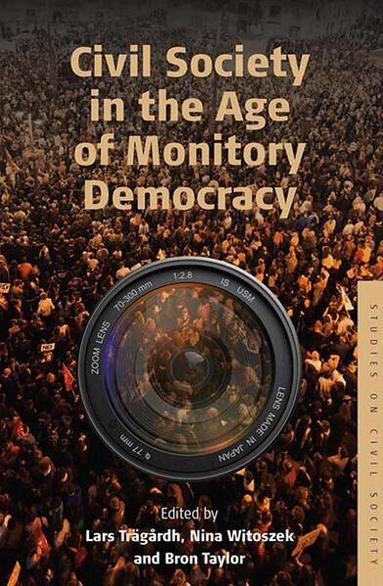
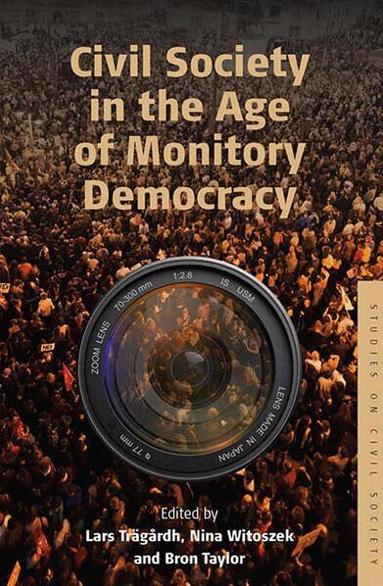


Mer från samma serie
Del 10
Del 4
Del 6
Del 7
Civil Society in the Age of Monitory Democracy
Lars Trägårdh, Nina Witoszek, Bron Taylor
Inbunden, 2013
2 499 kr
Del 7
Civil Society in the Age of Monitory Democracy
Lars Trägårdh, Nina Witoszek, Bron Taylor
Häftad, 2013
669 kr
Del 5
Del 9
Del 9
Del 10
Del 2
Hoppa över listan

Du kanske också är intresserad av
Eigentum ALS Herrschaftsressource: Tagung Der Vereinigung Fur Verfassungsgeschichte in Den Franckeschen Stiftungen (Halle) Vom 22.-24. Februar 2022
Duncker &. Humblot, Dieter Gosewinkel, Oliver Lepsius, Peter Oestmann
Häftad, 2025
859 kr
Politische Diskurse im Internet und in Zeitungen
Dieter Rucht, Mundo Yang, Ann Zimmermann
Häftad, 2008
749 kr
Del 11
Del 2006
Wissenschaft, Politik, Verfassungsgericht
Ernst-Wolfgang Böckenförde, Dieter Gosewinkel
Häftad, 2011
339 kr
Staatsbürgerschaft im 19. und 20. Jahrhundert
Julia Angster, Dieter Gosewinkel, Christoph Gusy
Inbunden, 2019
589 kr
Del 72
Figurationen Des Staates in Deutschland Und Frankreich 1870-1945. Les Figures de L'Etat En Allemagne Et En France
Alain Chatriot, Dieter Gosewinkel
Inbunden, 2006
969 kr
Women's Movements Facing the Reconfigured State
Lee Ann Banaszak, Karen Beckwith, Dieter Rucht
Inbunden, 2003
1 819 kr