
Del i serien Endocrine Updates
Transgenic Models in Endocrinology
Inbunden, Engelska, 2001
2 209 kr
Beställningsvara. Skickas inom 10-15 vardagar. Fri frakt för medlemmar vid köp för minst 249 kr.
Finns i fler format (1)
The dramatic expansion in genomic information has motivated the development of new approaches to characterize gene expression and function. A critical issue for both basic and clinical endocrinologists is the physiological role of genes involved in regulating endocrine functions. Transgenic technologies allow the translation of genotypic information into specific phenotypes by using gene overexpression or loss of specific gene functions. This book has been designed to reflect a multidisciplinary approach to transgenics in endocrinology, encompassing contributions from internationally recognized experts in many aspects of endocrine physiology. These range from the basic technologies underpinning the generation of transgenic rats and mice, to knock-out mice and also transgenics using viral vectors for gene delivery. The authors have aimed to exemplify the use of transgenic technologies and models for the study of a wide range of endocrine topics, including, reproductive functions, the stress axis, control of lactation, water and electrolyte balance, appetite control and pituitary tumour therapy.
Produktinformation
- Utgivningsdatum2001-05-31
- Mått155 x 235 x 22 mm
- Vikt639 g
- FormatInbunden
- SpråkEngelska
- SerieEndocrine Updates
- Antal sidor265
- Upplaga2001
- FörlagKluwer Academic Publishers
- ISBN9780792373445
Tillhör följande kategorier
Hoppa över listan



Mer från samma serie
Del 25
Overweight and the Metabolic Syndrome:
George A. Bray, Louisiana State University Pennington Biomedical Research Cent, Donna Ryan
Inbunden, 2006
2 219 kr
Del 27
Del 11
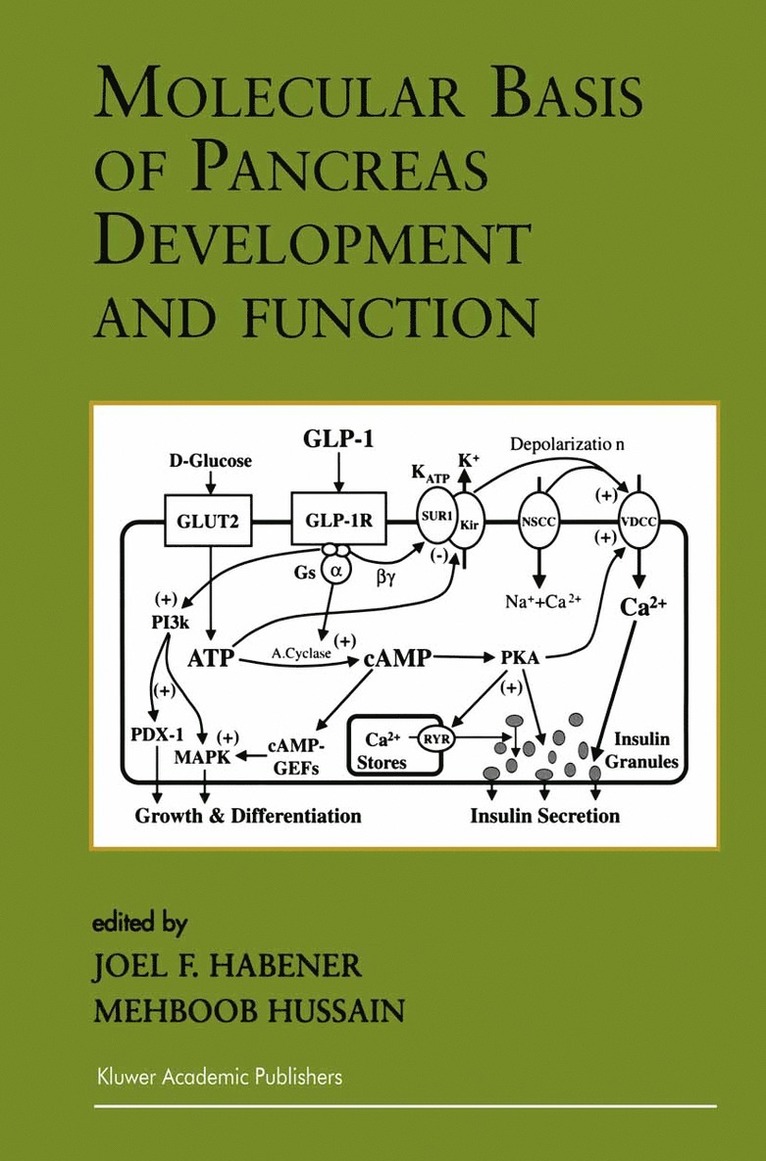
Molecular Basis of Pancreas Development and Function
Joel F. Habener, Mehboob Hussain
Inbunden, 2001
2 659 kr
Del 14
Del 15