
The Three Economic Enlightenments
Old-New Lessons for Business Ethics
Inbunden, Engelska, 2025
1 979 kr
Beställningsvara. Skickas inom 5-8 vardagar. Fri frakt för medlemmar vid köp för minst 249 kr.
Finns i fler format (1)
When people wonder about the appropriate course of action in a given situation, they are already engaging in moral reasoning. This also applies to the field of business, where an understanding of ethics could help businesspeople and market participants make morally informed decisions. This book aims to enlarge the body of ethical theories available in Business Ethics by illustrating three moral principles relevant to economic agents based on the ideas of Immanuel Kant, Antonio Genovesi, and Adam Smith. All three authors were prominent figures in the eighteenth-century European Enlightenment movement and have much to teach us about the origins of modern economics. Additionally, the book provides specific examples relating to contemporary business situations, focusing on the ethical challenges posed by incomplete contracts. Overall, this book demonstrates that the historical evolution of economic and philosophical concepts remains pertinent to current dialogues in Business Ethics.
Produktinformation
- Utgivningsdatum2025-11-13
- Mått157 x 235 x 16 mm
- Vikt447 g
- FormatInbunden
- SpråkEngelska
- Antal sidor204
- FörlagCambridge University Press
- ISBN9781009620949
Tillhör följande kategorier
Hoppa över listan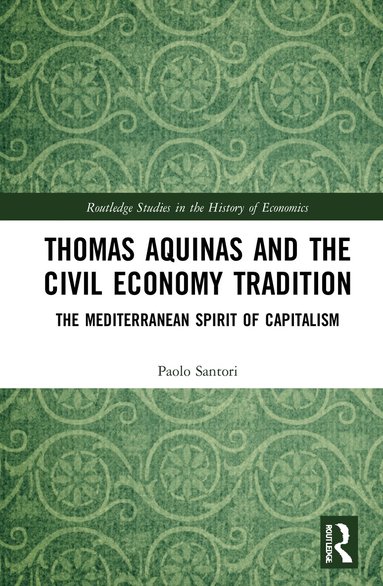
Mer från samma författare
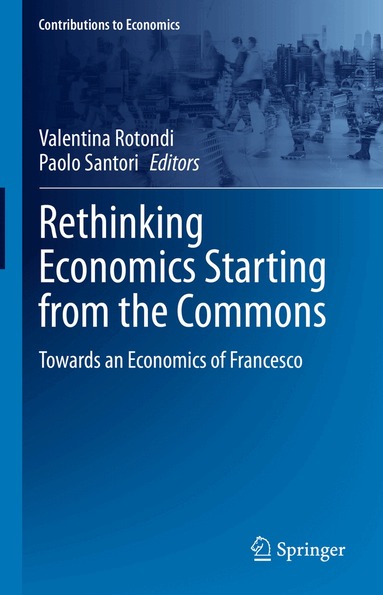
Rethinking Economics Starting from the Commons
Valentina Rotondi, Paolo Santori
Inbunden, 2023
2 159 kr
Hoppa över listan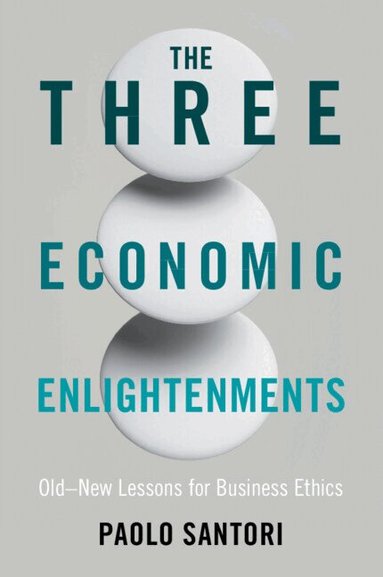





Du kanske också är intresserad av
Rethinking Economics Starting from the Commons
Valentina Rotondi, Paolo Santori
Inbunden, 2023
2 159 kr
- Nyhet
Del 6
- Nyhet
Del 3
- Nyhet
Del 7
- Nyhet
Del 3
- Nyhet
Del 4