
Del i serien Society and Aging Series
Soul Pain
The Meaning of Suffering in Later Life
Häftad, Engelska, 2018
1 019 kr
Beställningsvara. Skickas inom 10-15 vardagar. Fri frakt för medlemmar vid köp för minst 249 kr.
Finns i fler format (1)
This book explores the multifaceted experience of suffering in old age. Older adults suffer from a variety of causes such as illness, loss, and life disappointment, to name a few. Suffering also occurs due to experiences related to one's gender, ethnic background, and religion. Although gerontological literature has equated suffering with depression, grief, pain and sadness, elders themselves distinguished suffering from these concepts and at the same time showed how they are linked. Narratives of suffering from community-dwelling elders are interpreted in this book, along with the personal meaning of suffering that lies within each narrative.
Produktinformation
- Utgivningsdatum2018-08-14
- Mått152 x 229 x 26 mm
- Vikt580 g
- FormatHäftad
- SpråkEngelska
- SerieSociety and Aging Series
- Antal sidor316
- FörlagTaylor & Francis Ltd
- ISBN9780415784269
Tillhör följande kategorier
Hoppa över listan


Mer från samma serie
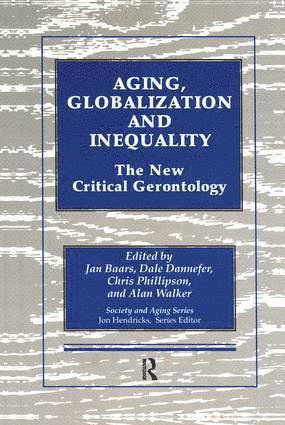
Aging, Globalization and Inequality
Jan Baars, Dale Dannefer, Chris Phillipson, Alan Walker
Häftad, 2016
1 019 kr
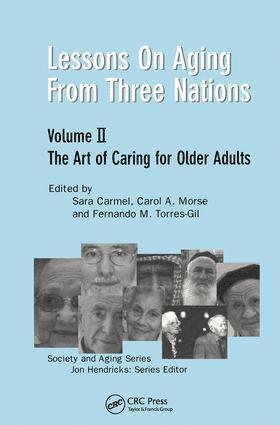
Lessons on Aging from Three Nations
Sara Carmel, Carol A. Morse, Fernando M. Torres-Gil, Jon Hendricks
Häftad, 2018
849 kr