
Del i serien Animalities
Shimmer
Flying Fox Exuberance in Worlds of Peril
Häftad, Engelska, 2022
279 kr
Skickas . Fri frakt för medlemmar vid köp för minst 249 kr.
Finns i fler format (1)
I was called to flying-foxes. My research questions led me into multispecies ethnographic work involving wildlife carers and academically trained scientists in eastern Australia. The people I met were at the front line in the work of holding flying-foxes back from the edge of extinction. I continued to visit the north, and I revisited my notebooks from several decades of research with Aboriginal people. The research was exhilarating, and then again at times deeply disheartening. I was to encounter more passion, intimacy, cruelty, horror, complexity, generosity and wild beauty than I could ever have imagined. Living with flying-foxes, I came to understand, takes us straight to the heart of every big question facing Earth life in the 21st century.' In this deeply personal book, the last one she wrote before hear death in 2018, Deborah Bird Rose explores the shimmer of life - the iridescent pulse of beauty and power, the processes of transition and transformation - that flows across and between generations. Grounded within this insight, she develops and advocates for an ethics of attention that is in the world within everyday practices, and in this case for and with flying foxes and their worlds.
Produktinformation
- Utgivningsdatum2022-02-08
- Mått138 x 216 x 19 mm
- Vikt390 g
- FormatHäftad
- SpråkEngelska
- SerieAnimalities
- Antal sidor312
- FörlagEdinburgh University Press
- ISBN9781474490399
Tillhör följande kategorier
Hoppa över listan
Mer från samma författare
Country of the Heart
Deborah Bird Rose, Nancy Daiyi, Kathy Devereaux, Margaret Daiyi, Linda Ford, April Bright
Häftad, 2011
639 kr
Manifesto for Living in the Anthropocene
Katherine Gibson, Deborah Bird Rose, Ruth Fincher
Häftad, 2015
329 kr
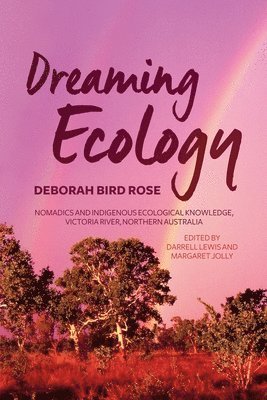
Dreaming Ecology: Nomadics and Indigenous Ecological Knowledge, Victoria River, Northern Australia
Deborah Bird Rose, Darrell Lewis
Häftad, 2024
449 kr
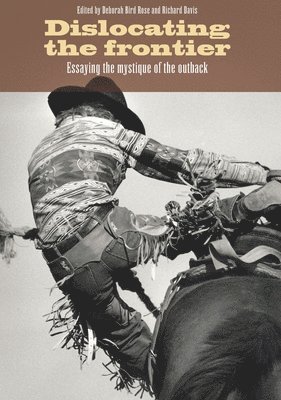
Dislocating the Frontier: Essaying the Mystique of the Outback
Deborah Bird Rose, Richard Davis
Häftad, 2006
419 kr
Hoppa över listan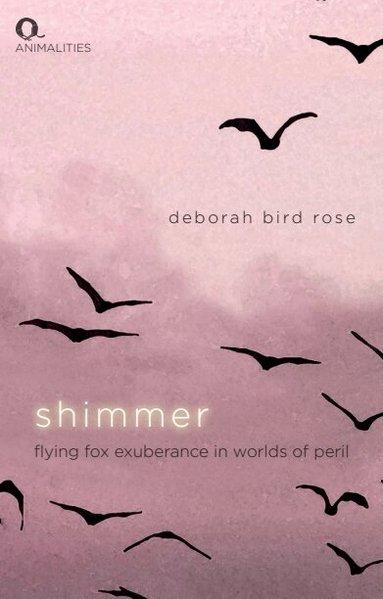
Du kanske också är intresserad av
Manifesto for Living in the Anthropocene
Katherine Gibson, Deborah Bird Rose, Ruth Fincher
Häftad, 2015
329 kr
Dislocating the Frontier: Essaying the Mystique of the Outback
Deborah Bird Rose, Richard Davis
Häftad, 2006
419 kr
Dreaming Ecology: Nomadics and Indigenous Ecological Knowledge, Victoria River, Northern Australia
Deborah Bird Rose, Darrell Lewis
Häftad, 2024
449 kr
Country of the Heart
Deborah Bird Rose, Nancy Daiyi, Kathy Devereaux, Margaret Daiyi, Linda Ford, April Bright
Häftad, 2011
639 kr