
Del i serien What Everyone Needs To Know®
Secession and State Creation
What Everyone Needs to Know®
Häftad, Engelska, 2023
179 kr
Skickas . Fri frakt för medlemmar vid köp för minst 249 kr.
Finns i fler format (1)
What makes a state? This question has attracted more and more attention in recent years with Catalan's illegal vote for independence from Spain and Palestine's ongoing search for international recognition. And while Scotland chose to remain with the United Kingdom, discussions of independence have only continued as the ramifications of the later Brexit vote begin to set in. As James Ker-Lindsay and Mikulas Fabry show in this new addition to the What Everyone Needs to Know® series, the road to statehood does not run smooth. Declaring independence is only the first step; gaining both local and global acceptance is necessary before a state can become truly independent. The prospect of losing territory is usually not welcomed by the parent state, and any such threat to an existing culture and its economy is often met with resistance--armed or otherwise. Beyond this immediate conflict, the international community often refuses to accept new states without proof of defined territory, a settled population, and effective government, which frequently translates to a democratic one with demonstrated respect for human rights. Covering the legal, political, and practical issues of secession and state creation, Ker-Lindsay and Fabry provide an essential guide to this timely topic.
Produktinformation
- Utgivningsdatum2023-03-09
- Mått209 x 140 x 13 mm
- Vikt222 g
- FormatHäftad
- SpråkEngelska
- SerieWhat Everyone Needs To Know®
- Antal sidor200
- FörlagOUP USA
- ISBN9780190494049
Tillhör följande kategorier
Hoppa över listan

Mer från samma författare
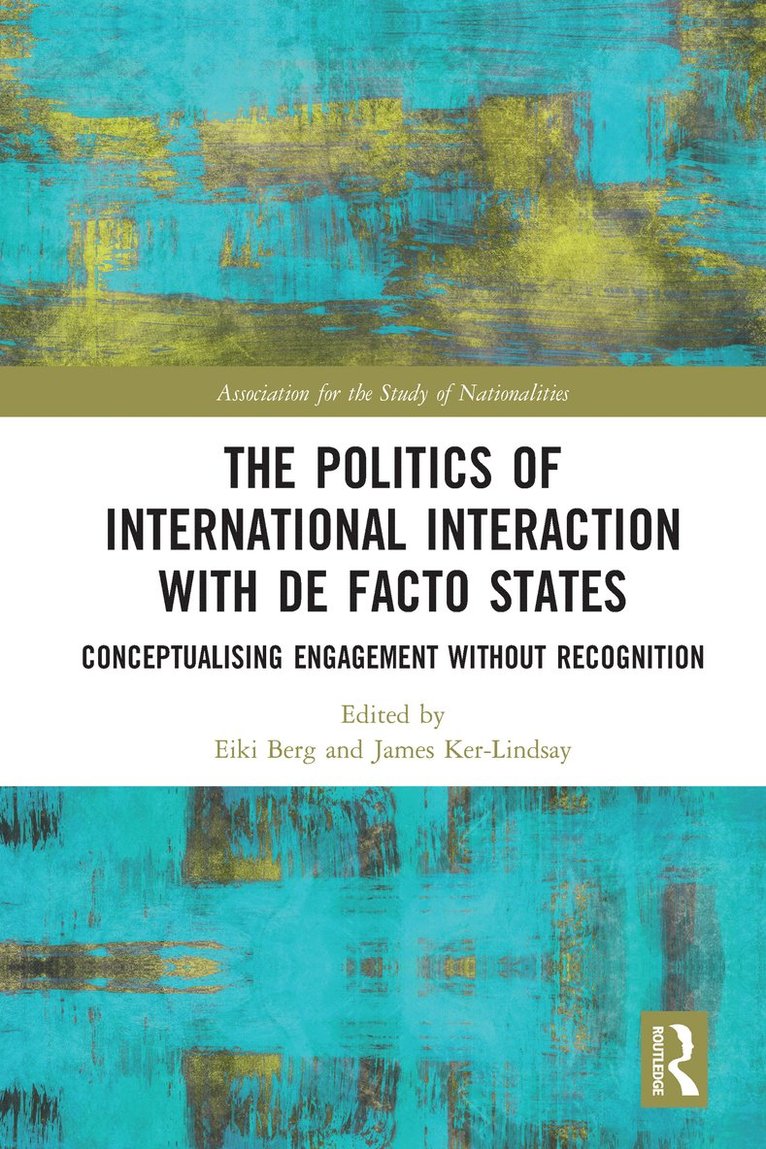
Politics of International Interaction with de facto States
Eiki Berg, James Ker-Lindsay
Inbunden, 2018
2 839 kr
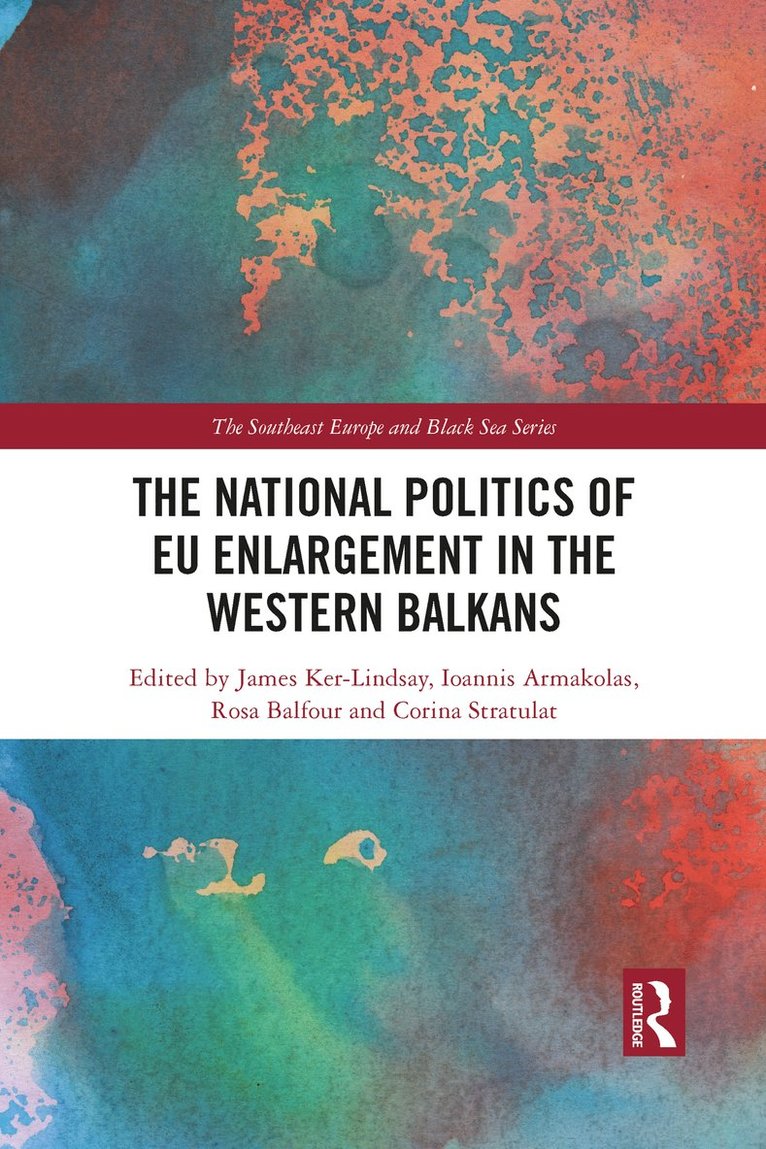
National Politics of EU Enlargement in the Western Balkans
James Ker-Lindsay, Ioannis Armakolas, Rosa Balfour, Corina Stratulat
Inbunden, 2019
2 849 kr
Politics of International Interaction with de facto States
Eiki Berg, James Ker-Lindsay
Häftad, 2020
829 kr
National Politics of EU Enlargement in the Western Balkans
James Ker-Lindsay, Ioannis Armakolas, Rosa Balfour, Corina Stratulat
Häftad, 2021
829 kr
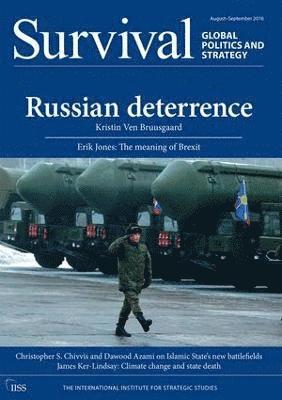
Survival 58.4
Kristin Ven Bruusgaard, Erik Jones, Christopher S. Chivvis, Dawood Azami, James Ker-Lindsay
Häftad, 2016
449 kr
Hoppa över listan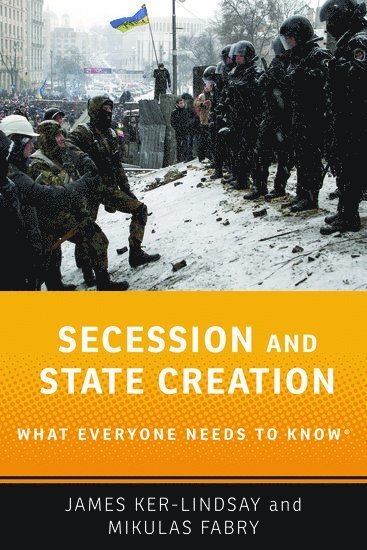

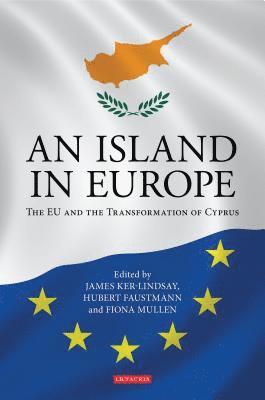
Du kanske också är intresserad av
National Politics of EU Enlargement in the Western Balkans
James Ker-Lindsay, Ioannis Armakolas, Rosa Balfour, Corina Stratulat
Inbunden, 2019
2 849 kr
Politics of International Interaction with de facto States
Eiki Berg, James Ker-Lindsay
Häftad, 2020
829 kr