
Reading and Writing for Change
Theories and Tools for Confronting Power
Inbunden, Engelska, 2025
1 179 kr
Beställningsvara. Skickas inom 10-15 vardagar. Fri frakt för medlemmar vid köp för minst 249 kr.
Finns i fler format (1)
How can creative writers and readers be active agents in fighting social injustices?With many writers oblivious to how their writing may actually uphold the very problems they seek to undo, this book both assists writers to identify the unrecognized connections between creative writing and processes of power, and equips them with the knowledge to produce works that project kindness and change. Beginning with an exploration of literature’s connections with power and focusing on social voice, representation and whose stories are told, the book moves on to emphasize how stories are told, highlighting the political implications in textual presentation and prevalent standards for judging literary merit. Considering how power operates in, through and around stories at the level of form, structure, and narrative order but also through grammar, style, and figurative language, author Amelia Walker outlines strategies for analyzing texts that draw on theories from Indigenous studies, literary criticism, philosophy, cultural studies, education, journalism, and creative writing theory.Featuring writing and reading activities that translate important theories into practical craft tools, Reading and Writing for Change builds ideas for writers and readers seeking to unbalance the dynamic between literature and power in support of change and to disrupt the status quo and imagine life differently.
Produktinformation
- Utgivningsdatum2025-09-18
- Mått154 x 236 x 20 mm
- Vikt1 080 g
- FormatInbunden
- SpråkEngelska
- Antal sidor256
- FörlagBloomsbury Publishing PLC
- ISBN9781350450394
Tillhör följande kategorier
Hoppa över listan
Mer från samma författare
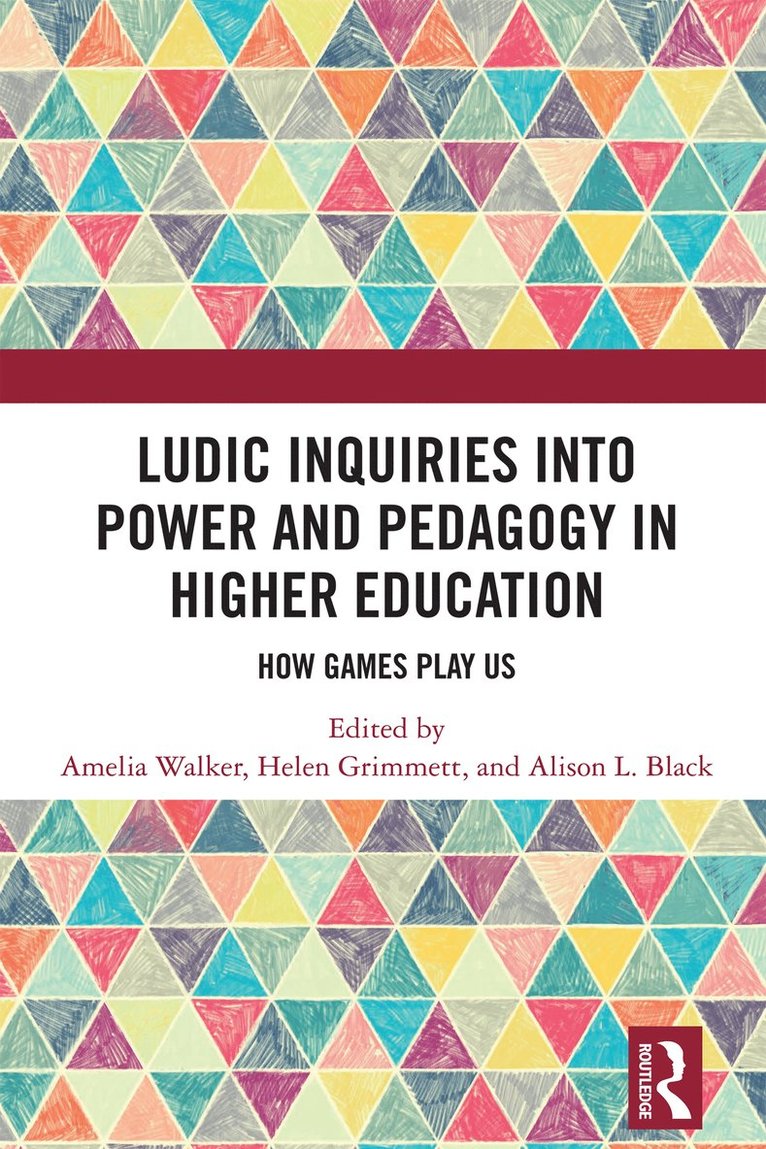
Ludic Inquiries Into Power and Pedagogy in Higher Education
Amelia Walker, Helen Grimmett, Alison L. Black
Inbunden, 2024
3 099 kr
Ludic Inquiries Into Power and Pedagogy in Higher Education
Amelia Walker, Helen Grimmett, Alison L. Black
Häftad, 2025
859 kr
Hoppa över listan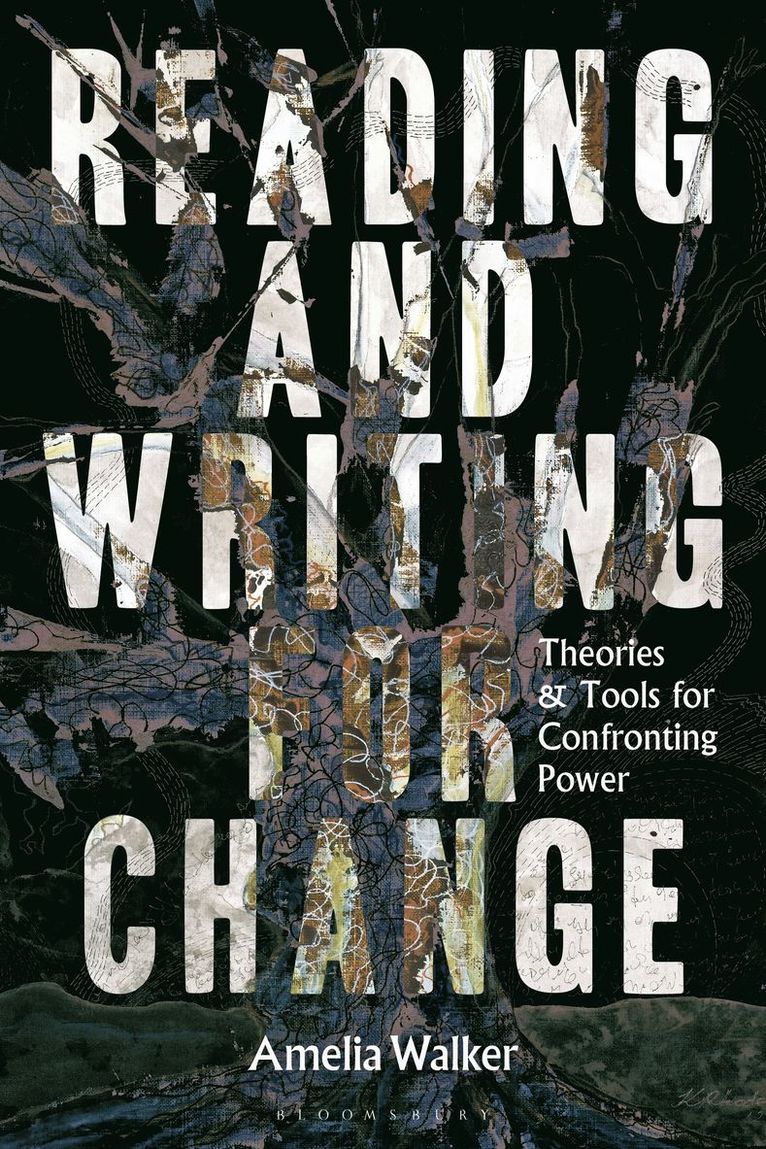




Du kanske också är intresserad av
Ludic Inquiries Into Power and Pedagogy in Higher Education
Amelia Walker, Helen Grimmett, Alison L. Black
Inbunden, 2024
3 099 kr
Ludic Inquiries Into Power and Pedagogy in Higher Education
Amelia Walker, Helen Grimmett, Alison L. Black
Häftad, 2025
859 kr
- Nyhet
- Nyhet
Del 4
