
Del i serien Bloomsbury Inquiries in Philosophy and Education
Postcolonial Education and National Identity
An Arendtian Re-imagination
Häftad, Engelska, 2026
529 kr
Beställningsvara. Skickas inom 10-15 vardagar. Fri frakt för medlemmar vid köp för minst 249 kr.
Finns i fler format (1)
Winner of the Philosophy of Education Society of Australasia 2025 Book AwardRecognizing the strategic role that national identities play in post-colonial struggles for justice, this book conceptualizes a new approach to teaching national identity that, following Hannah Arendt, emphasizes children’s ability to renew culture. The book uses the Philippine colonial experience as a case study, and includes a genealogy of Hannah Arendt’s concept of the ’social’, including an analysis of how she used this idea to explore the role that schools play within the political community. Azada-Palacios problematizes the way that national identity is valued as an educational goal in Philippine schools and the way that Philippine citizenship education continues to aspire towards a homogeneity of culture. Through an examination of colonial-era documents, she traces this characteristic of colonial history, and identifies this aspiration as an unreflective perpetuation of American colonial educational policy that has not been sufficiently criticized.
Produktinformation
- Utgivningsdatum2026-06-25
- Mått152 x 234 x 14 mm
- Vikt320 g
- FormatHäftad
- SpråkEngelska
- SerieBloomsbury Inquiries in Philosophy and Education
- Antal sidor200
- FörlagBloomsbury Publishing PLC
- ISBN9781350433342
Tillhör följande kategorier
Hoppa över listan
Mer från samma serie
- Nyhet
- Nyhet
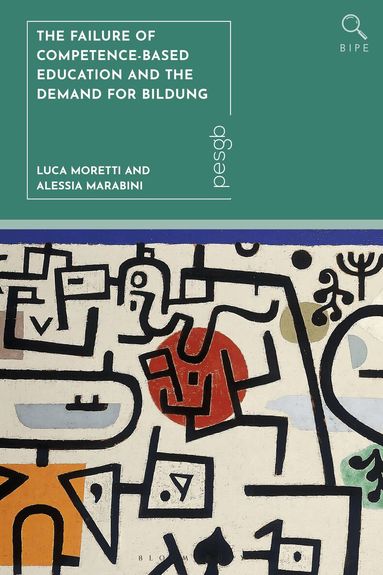
Failure of Competence-Based Education and the Demand for Bildung
Luca Moretti, Alessia Marabini, Paul Standish
Inbunden, 2025
1 619 kr
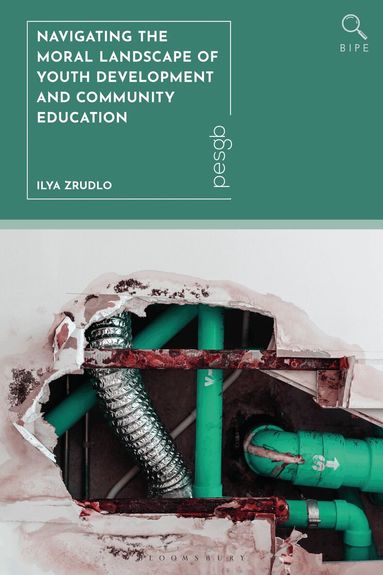
Navigating the Moral Landscape of Youth Development and Community Education
Ilya Zrudlo, Paul Standish
Inbunden, 2026
1 619 kr
Hoppa över listan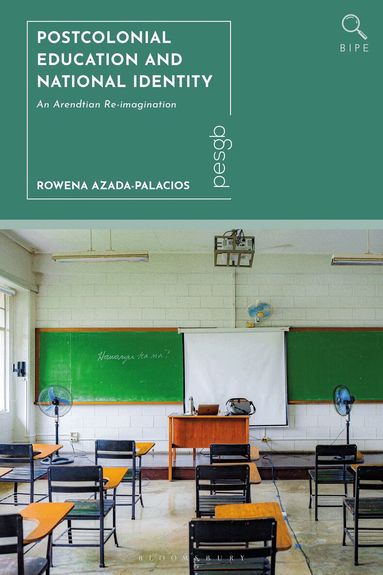
Du kanske också är intresserad av
Postcolonial Education and National Identity
Rowena Azada-Palacios, Paul Standish
Inbunden, 2024
1 719 kr
- Nyhet
- Nyhet
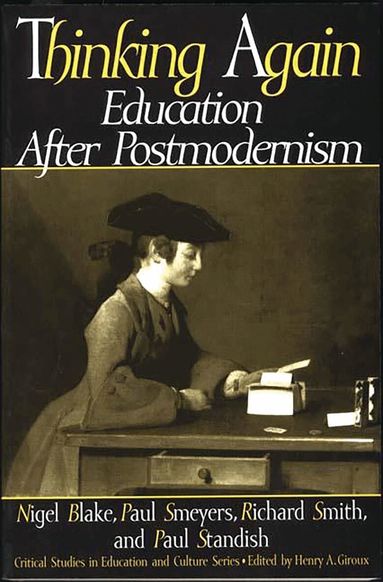
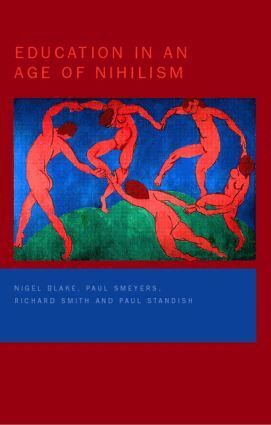
Education in an Age of Nihilism
Nigel Blake, Paul Smeyers, Richard Smith, Paul Standish
Häftad, 2000
1 029 kr
Blackwell Guide to the Philosophy of Education
Nigel Blake, Paul Smeyers, Richard D. Smith, P Standish, Nigel Blake, Paul Smeyers, Richard D. Smith, Paul Standish
Häftad, 2002
609 kr
Del 1
Education in an Age of Nihilism
Nigel Blake, Paul Smeyers, Richard Smith, Paul Standish
Inbunden, 2000
3 889 kr