
Pharaoh
Häftad, Engelska, 2024
329 kr
Beställningsvara. Skickas inom 5-8 vardagar. Fri frakt för medlemmar vid köp för minst 249 kr.
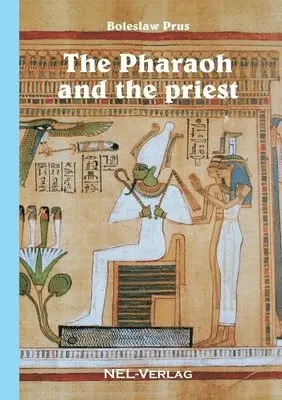
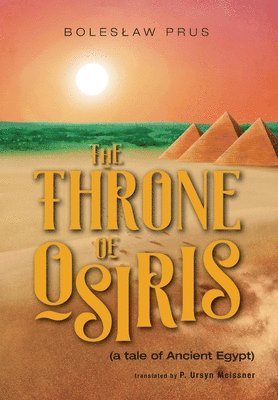
A groundbreaking new translation of the only historical novelby noted Polish writer Bolesław Prus.“ . . . unique in world literature of the nineteenth century”--CzesławMiłosz" . . . one of the finest novels about the ancient world ever written." --The Polish ReviewImbued with poetry, leavened with humor, andgraced with moments of transcendent beauty, Pharaoh offers a compellingpicture of life at every level of ancient Egyptian society. As the story unfolds, Egypt is experiencinginternal stresses and external threats that will culminate in the fall of itsTwentieth Dynasty and New Kingdom. The young Pharaoh Ramses learns thatchallenging power leaves him vulnerable to seduction, defamation, intimidationand even assassination. The ultimate lesson learned by Ramses is the power ofknowledge.Prus isa distinctive voice in world literature and was Joseph Conrad’s favorite Polishwriter. This new edition of Christopher Kasparek’s translation of Pharaoh vividlybrings this extraordinary novel to life. It includes a detailed foreword and annotations,based on extensive research and textual refinements, that will enhance thereader’s appreciation not only for ancient Egypt, but also for Prus’composition process.Pharaoh has been translated intotwenty-three languages and was adapted as a 1966 Polish feature film.
Produktinformation
- Utgivningsdatum2024-12-12
- Mått152 x 229 x 26 mm
- Vikt681 g
- FormatHäftad
- SpråkEngelska
- Antal sidor520
- FörlagHippocrene Books Inc.,U.S.
- ISBN9780781814508
- ÖversättareChristopher Kasparek
Tillhör följande kategorier
Hoppa över listan
Mer från samma författare
More Tales by Polish Authors (Cram Edition)
Else C M (Else Cecilia Men Benecke, Boleslaw Prus, W?adys?aw Stanis?aw Reymont
Häftad, 2026
349 kr