Beställningsvara. Skickas inom 10-15 vardagar. Fri frakt för medlemmar vid köp för minst 249 kr.
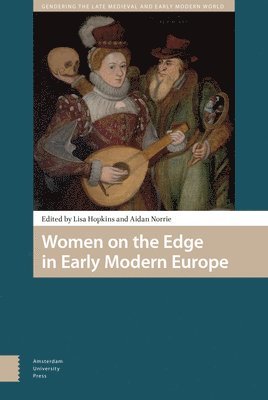
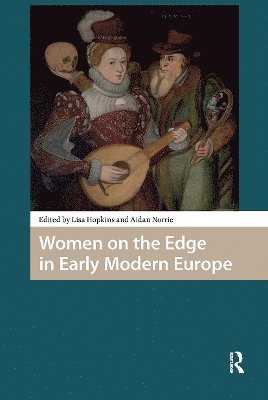
This collection examines some of the people, places, and plays at the edge of early modern English drama. Recent scholarship has begun to think more critically about the edge, particularly in relation to the canon and canonicity. This book demonstrates that the people and concepts long seen as on the edge of early modern English drama made vital contributions both within the fictive worlds of early modern plays, and without, in the real worlds of playmakers, theaters, and audiences. The book engages with topics such as child actors, alterity, sexuality, foreignness, and locality to acknowledge and extend the rich sense of playmaking and all its ancillary activities that have emerged over the last decade. The essays by a global team of scholars bring to life people and practices that flourished on the edge, manifesting their importance to both early modern audiences, and to current readers and performers.
Aidan Norrie, University of Warwick, Coventry, UK; Mark Houlahan, University of Waikato, Hamilton, New Zealand.
List of FiguresAcknowledgementsForeword: The Stage on the Shore by Lisa HopkinsIntroduction: Edges, Spaces, and Intersections in Early Modern English Drama by Aidan Norrie and Mark HoulahanPart I. EdgesA Life on the Edge: Richard Bradshaw by Paul Brown"Thou Dream’st Awake": Ghosts and Sleep in Chapman's Antonio’s Revenge and Marston's Bussy D’Ambois by Chloe OwenCanting Queer Ken: Stage Magic and the Edge of Knowledge by Adam HembreeJames Shirley at the Edge of Town by Mark HoulahanPart 2. Spaces"Our Queen is Comming to the Town": Child Actors and Counsel in the Elizabethan Progresses of 1574 and 1578 by Aidan Norrie"And Huh, Too / For All Your Big Words!": Language and Multiculturalism in Philip Massinger’s The Renegado by Sophie Emma BattellInherited Insecurities and the Staging of Alterity: Islam in Marlowe’s Tamburlaine by Jeffrey McCambridge"The End of All": How a Forgotten Map Helped Us Forget Newington Butts by Laurie JohnsonPart 3. IntersectionsHamlet’s French Philosophy by Jennifer Nicholson"Then Turn Tail to Tail and Peace Be with You": John Fletcher’s The Woman’s Prize, or The Tamer Tamed, Menippean Satire and Same-Sex Desire by John Severn"Whose Plot Was This?": Shakespearean Convergences in Fletcher's The Wild Goose Chase by Gabriella Edelstein"They Always Speak Things as They Would Have Them": Aspirational Royalist Politics in Henry Killigrew's Pallantus and Eudora (1653) by Christopher OrchardNotes on ContributorsIndex of Persons, Places and Subjects