
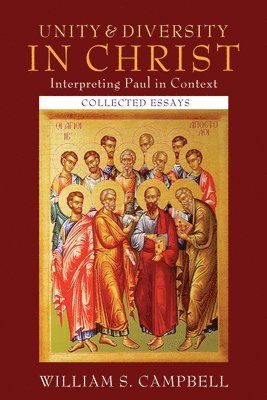
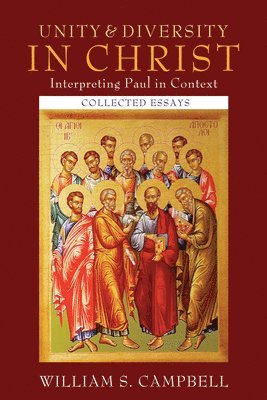
Nations in the Divine Economy
Paul’s Covenantal Hermeneutics and Participation in Christ
Inbunden, Engelska, 2018
2 169 kr
Beställningsvara. Skickas inom 10-15 vardagar. Fri frakt för medlemmar vid köp för minst 249 kr.
Core to Paul's gospel is the relationship between Israel and the Nations in light of the coming of Christ. But historic Christianity, in claiming to be a new Israel, and in not recognising the purpose of God in Christ for Jews and the nations, has ignored its Jewish roots, the scriptures of Israel, and the Jewishness of Jesus and the apostles leaving a lacuna in its own identity, which Campbell argues, can only be overcome by a covenantal understanding of diversity in Christ. The denial of the covenant leads to a negation of God's revelation to Israel, and leaves Christianity with a deficient self-understanding. Although covenant language is not prominent in Paul's letters it remains the basis of his thought in differentiated ways concerning Israel and the nations. The covenant remains God's covenant with Israel. But through the covenant re-ratified in Christ, non-Jews although not included in the covenant, participate through Christ in the Abrahamic promises. Hence participation language is prevalent in Paul's letters since these address non-Jews in Christ as representatives of the nations. Rather than being 'indifferent to difference', Paul's gospel is not anti-ethnic, but is focused on the continuation of difference in Christ. God's purpose is designed to relate to differing peoples, not in their becoming one and the same, but in reciprocal blessing among those who remain different. The corollary of this respect for difference is the call for reconciliation as an essential part of following Christ, a fundamental element in Paul's gospel. God created a diverse world so that his people will find blessing in its rainbow diversity.
Produktinformation
- Utgivningsdatum2018-06-22
- Mått157 x 232 x 37 mm
- Vikt826 g
- FormatInbunden
- SpråkEngelska
- Antal sidor424
- FörlagBloomsbury Publishing Plc
- ISBN9781978700758
Tillhör följande kategorier
Hoppa över listan
Mer från samma författare
Medieval Readings of Romans
William S. Campbell, Peter S. Hawkins, Brenda Deen Schildgen
Häftad, 2008
1 259 kr
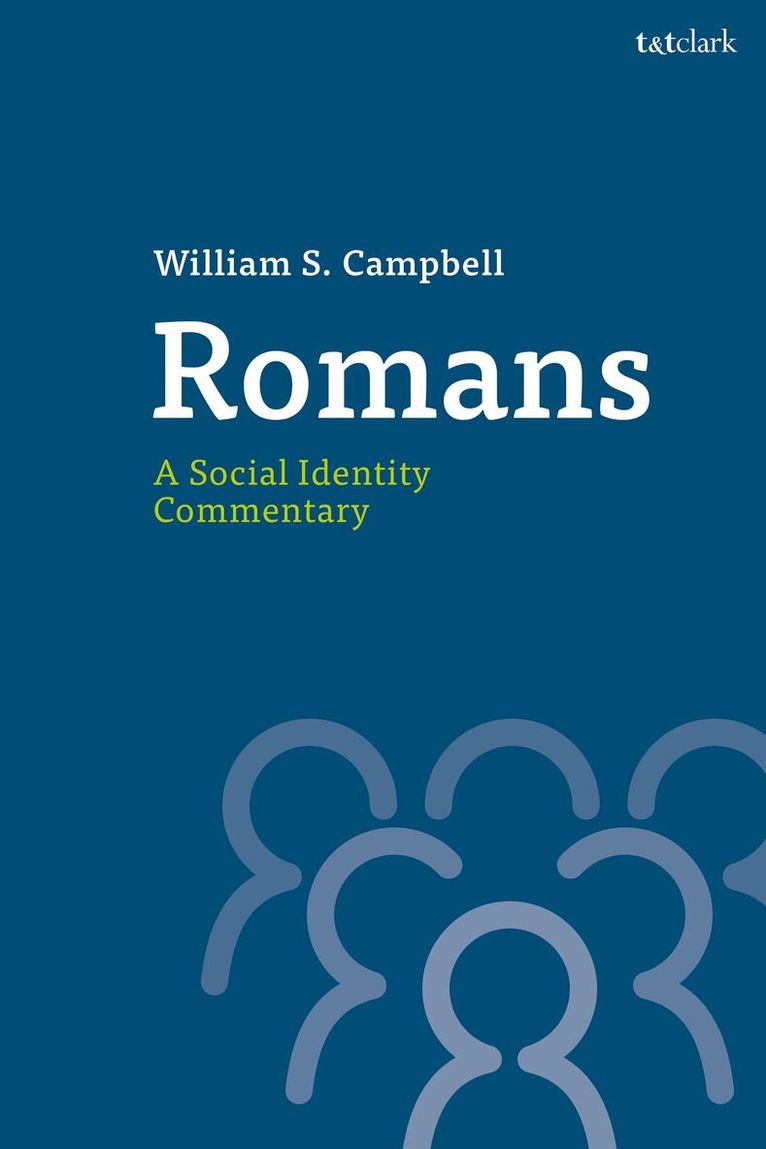
Romans: A Social Identity Commentary
William S. Campbell, Kathy Ehrensperger, Philip Esler, Aaron Kuecker, J Brian Tucker, Petri Luomanen
Häftad, 2024
659 kr
Hoppa över listan


Du kanske också är intresserad av
Medieval Readings of Romans
William S. Campbell, Peter S. Hawkins, Brenda Deen Schildgen
Häftad, 2008
1 259 kr
Romans: A Social Identity Commentary
William S. Campbell, Kathy Ehrensperger, Philip Esler, Aaron Kuecker, J Brian Tucker, Petri Luomanen
Häftad, 2024
659 kr
- Nyhet
Del 3
- Nyhet
Del 11
- Nyhet