
Del i serien Environmental Cultures
Narrating Nuclear Disaster
- Nyhet
Literary Form after Chornobyl and Fukushima
Inbunden, Engelska, 2026
1 769 kr
Beställningsvara. Skickas inom 10-15 vardagar. Fri frakt för medlemmar vid köp för minst 249 kr.
Examining literature in the aftermath of Chornobyl and Fukushima, this book considers literary genres and forms as important resources for understanding the material, environmental and social fallout of nuclear disasters.In a field that remains scientifically contested and, in the current moment of climate breakdown, highly politicized, Narrating Nuclear Disasters offers literature as an arena for exploring the uncertainty arising from events whose short- and long-term effects remain hard to oversee. By reading a wide corpus of post-Chornobyl and post-Fukushima literature from canonical texts by Christa Wolf, Julian Barnes and Ruth Ozeki to genre fiction such as thrillers and travelogues, the book offers a new way of thinking about nuclear narratives and nuclear culture more broadly. In doing so, it positions nuclear disaster narratives within a wider context of “Anthropocene literature”, forging new connections between nuclear culture and contemporary ecocriticism.
Produktinformation
- Utgivningsdatum2026-05-14
- Mått160 x 238 x 20 mm
- Vikt500 g
- FormatInbunden
- SpråkEngelska
- SerieEnvironmental Cultures
- Antal sidor224
- FörlagBloomsbury Publishing PLC
- ISBN9781350526457
Tillhör följande kategorier
Hoppa över listan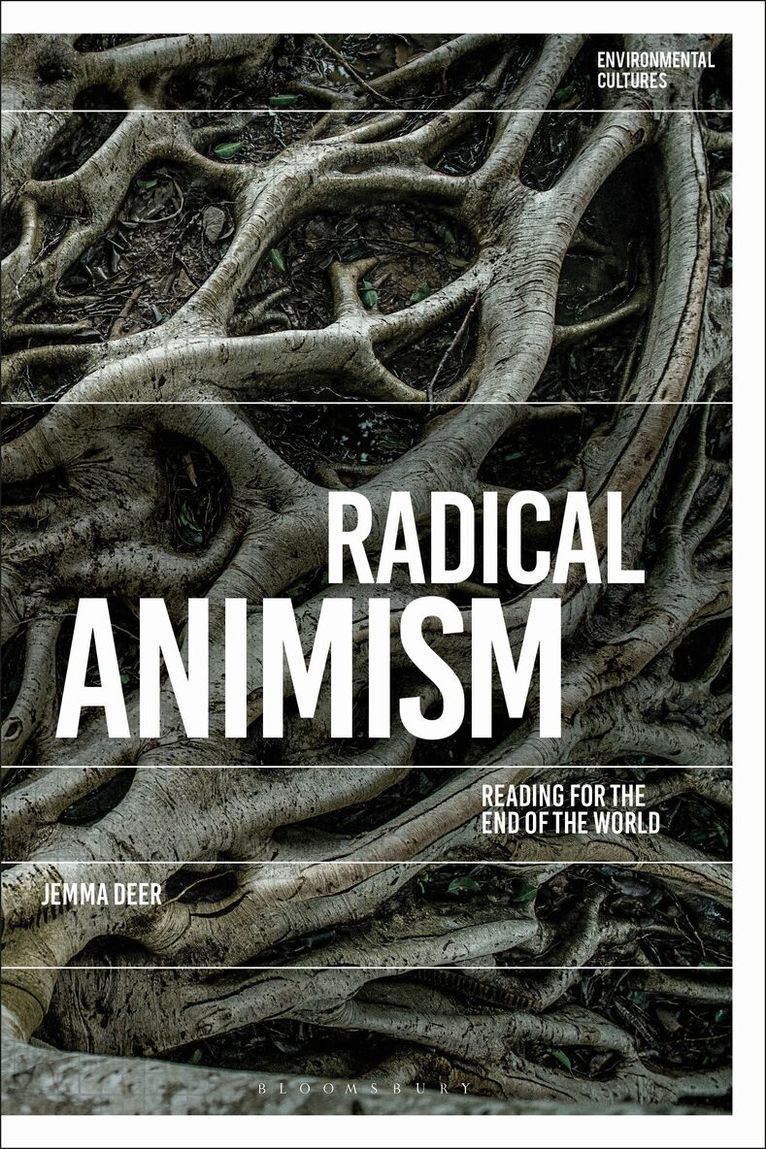

Mer från samma serie
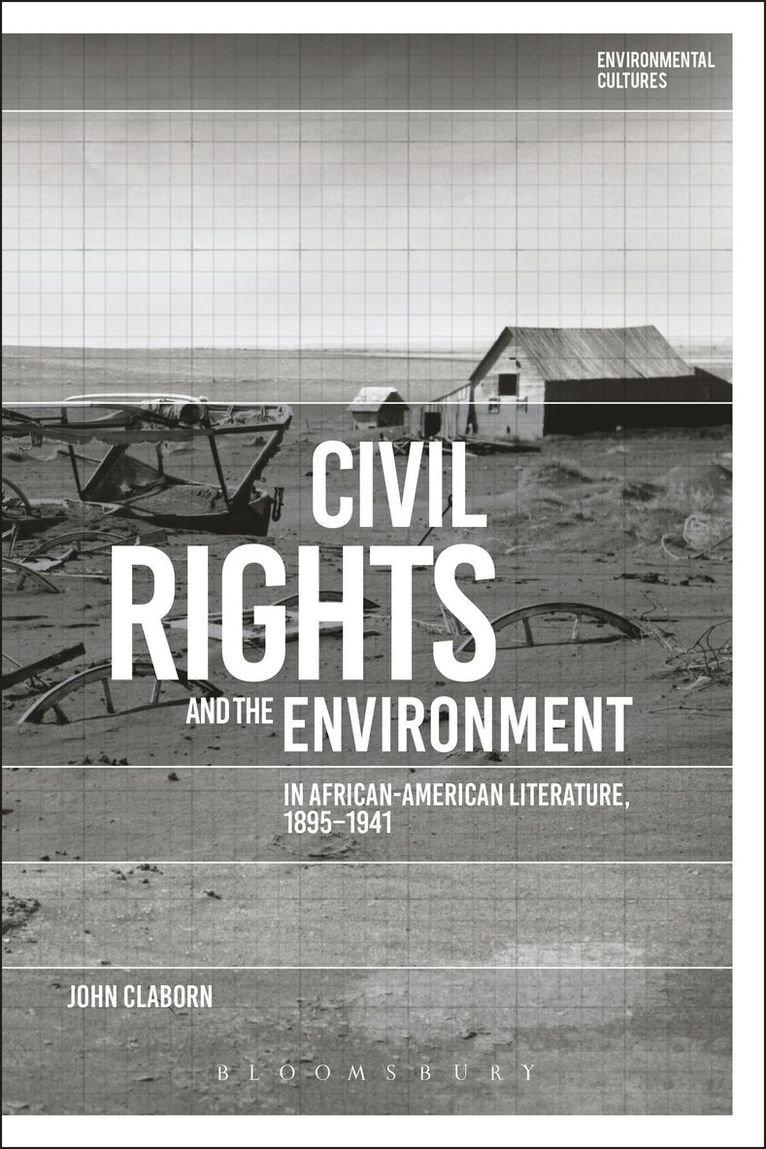
Civil Rights and the Environment in African-American Literature, 1895-1941
John Claborn, Greg Garrard
Inbunden, 2017
2 699 kr
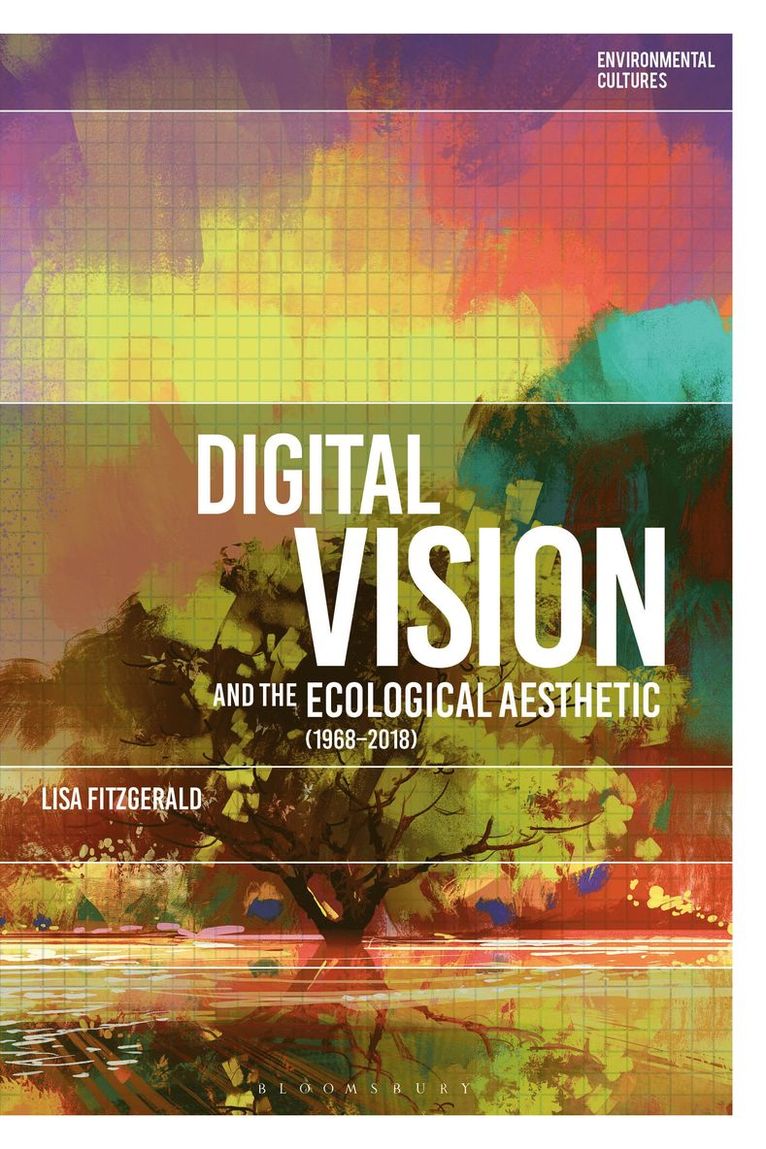
Digital Vision and the Ecological Aesthetic (1968 - 2018)
Lisa FitzGerald, Greg Garrard
Inbunden, 2020
2 079 kr
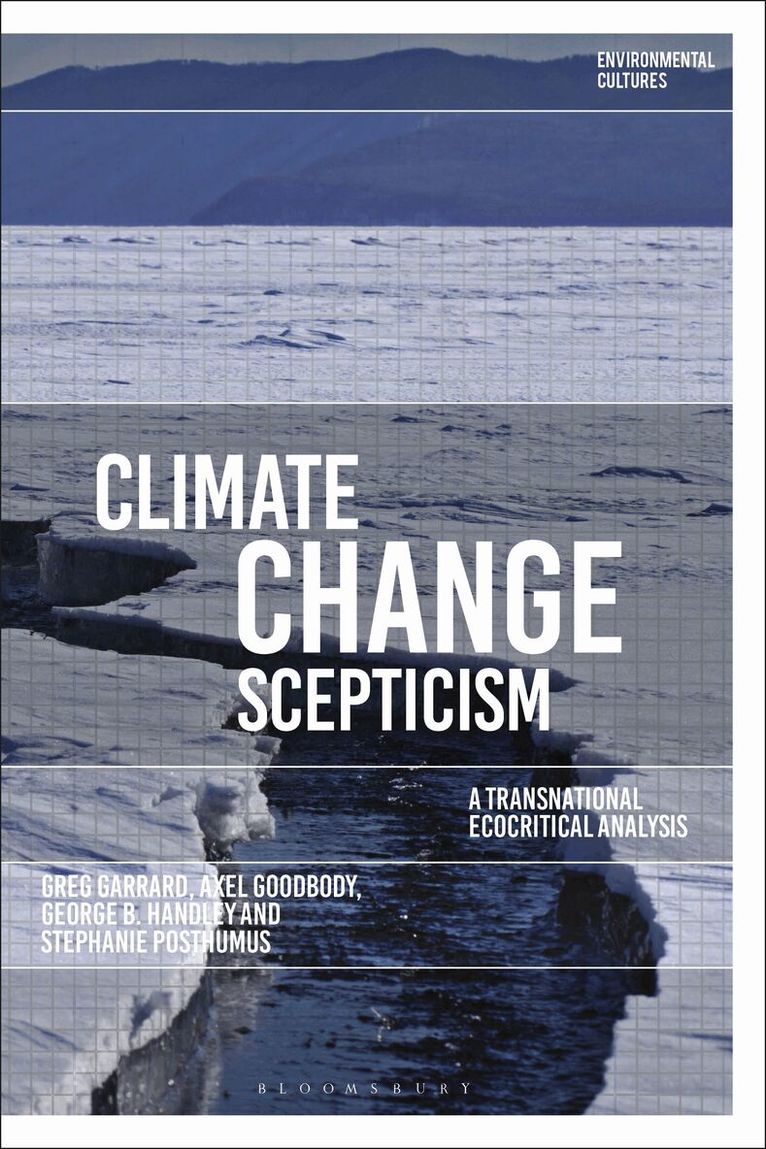
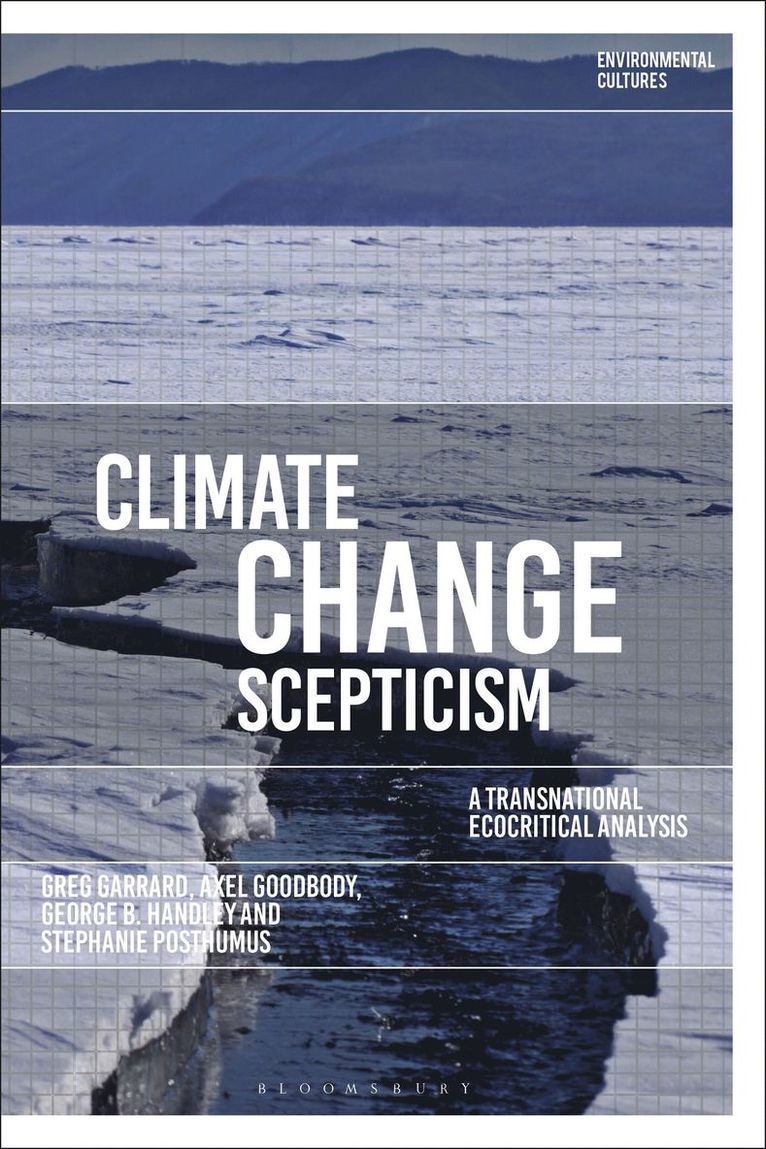
Climate Change Scepticism
Greg Garrard, Axel Goodbody, George B. Handley, Stephanie Posthumus, Richard Kerridge
Inbunden, 2019
2 489 kr
Hoppa över listan



Du kanske också är intresserad av
Ecologies of the Senses in Contemporary Literature
Mirja Lobnik, Richard Kerridge, Greg Garrard
Inbunden, 2027
2 069 kr
Climate Change Scepticism
Greg Garrard, Axel Goodbody, George B. Handley, Stephanie Posthumus, Richard Kerridge
Inbunden, 2019
2 489 kr
How to Weather Together
Astrida Neimanis, Jennifer Mae Hamilton, Richard Kerridge, Greg Garrard
Inbunden, 2026
1 229 kr
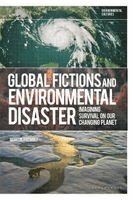
Global Fictions and Environmental Disaster
Martin Premoli, Richard Kerridge, Greg Garrard
Häftad, 2027
739 kr
- Nyhet
Scottish Literature, Borders and the Environmental Imagination
Julia Ditter, Richard Kerridge, Greg Garrard
Häftad, 2026
609 kr
Climate Change Scepticism
Greg Garrard, Axel Goodbody, George B. Handley, Stephanie Posthumus, Richard Kerridge
Häftad, 2020
709 kr
Postcolonial Poetry and the Environment
Pramod K Nayar, Richard Kerridge, Greg Garrard
Häftad, 2027
739 kr