
Del i serien Mexican Experience
Muy Buenas Noches
Mexico, Television, and the Cold War
Häftad, Engelska, 2013
569 kr
Beställningsvara. Skickas inom 10-15 vardagar. Fri frakt för medlemmar vid köp för minst 249 kr.
By the end of the twentieth century, Mexican multimedia conglomerate Televisa stood as one of the most powerful media companies in the world. Most scholars have concluded that the company's success was owed in large part to its executives who walked in lockstep with the government and the Partido Revolucionario Institucional (PRI), which ruled for seventy-one years. At the same time, government decisions regulating communications infrastructure aided the development of the television industry. In one of the first books to be published in English on Mexican television, Celeste González de Bustamante argues that despite the cozy relationship between media moguls and the PRI, these connections should not be viewed as static and without friction.Through an examination of early television news programs, this book reveals the tensions that existed between what the PRI and government officials wanted to be reported and what was actually reported and how. Further, despite the increasing influence of television on society, viewers did not always accept or agree with what they saw on the air. Television news programming played an integral role in creating a sense of lo mexicano (that which is Mexican) at a time of tremendous political, social, and cultural change. At its core the book grapples with questions about the limits of cultural hegemony at the height of the PRI and the cold war.
Produktinformation
- Utgivningsdatum2013-01-01
- Mått140 x 216 x 23 mm
- Vikt408 g
- FormatHäftad
- SpråkEngelska
- SerieMexican Experience
- Antal sidor314
- FörlagUniversity of Nebraska Press
- MedarbetareRichard Cole
- ISBN9780803240100
Tillhör följande kategorier
Hoppa över listan
Mer från samma författare
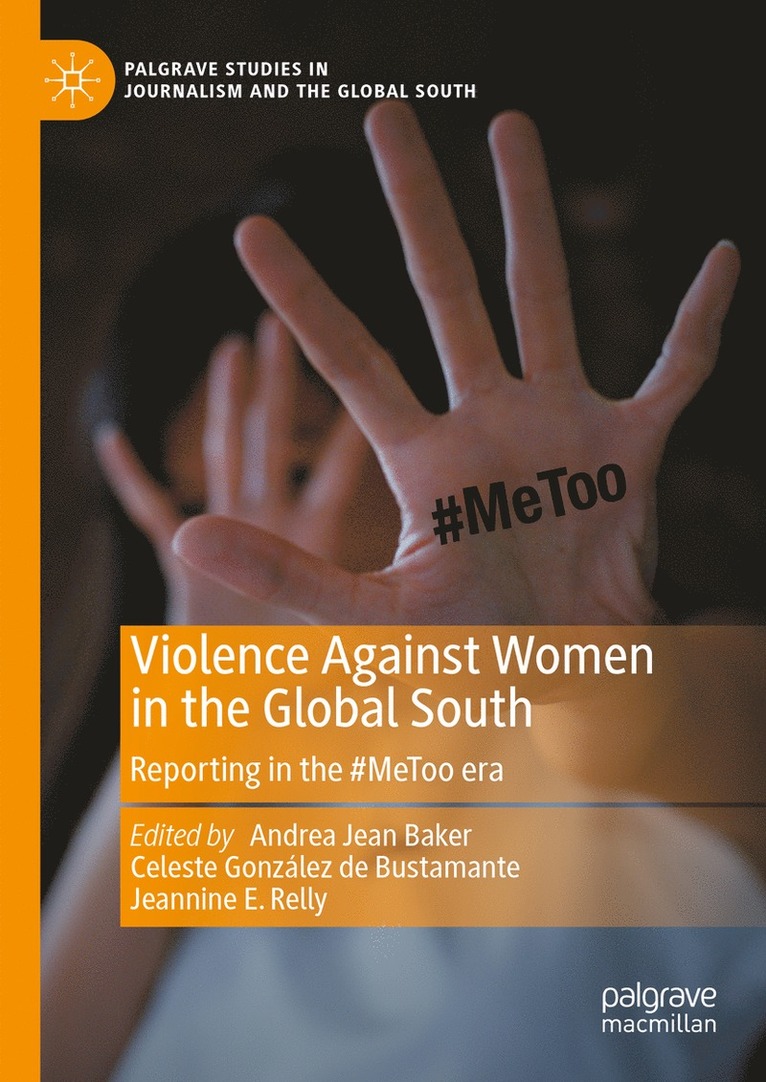
Violence Against Women in the Global South
Andrea Jean Baker, Celeste González de Bustamante, Jeannine E. Relly
Inbunden, 2023
1 999 kr
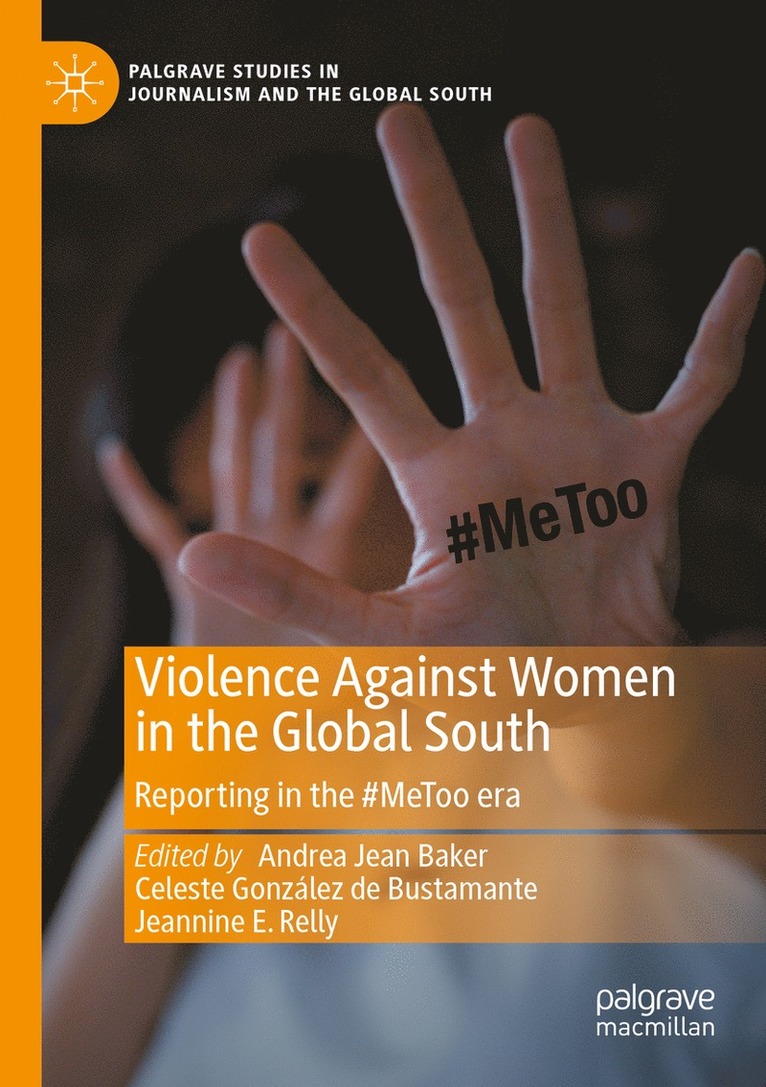
Violence Against Women in the Global South
Andrea Jean Baker, Celeste González de Bustamante, Jeannine E. Relly
Häftad, 2024
1 999 kr
Hoppa över listan




Du kanske också är intresserad av
Violence Against Women in the Global South
Andrea Jean Baker, Celeste González de Bustamante, Jeannine E. Relly
Inbunden, 2023
1 999 kr
Violence Against Women in the Global South
Andrea Jean Baker, Celeste González de Bustamante, Jeannine E. Relly
Häftad, 2024
1 999 kr
- Nyhet