
Mughal Occidentalism
Artistic Encounters between Europe and Asia at the Courts of India, 1580-1630
Häftad, Engelska, 2024
1 149 kr
Beställningsvara. Skickas inom 3-6 vardagar. Fri frakt för medlemmar vid köp för minst 249 kr.
Finns i fler format (1)
In Mughal Occidentalism, Mika Natif elucidates the meaningful and complex ways in which Mughal artists engaged with European art and techniques from the 1580s-1630s. Using visual and textual sources, this book argues that artists repurposed Christian and Renaissance visual idioms to embody themes from classical Persian literature and represent Mughal policy, ideology and dynastic history. A reevaluation of illustrated manuscripts and album paintings incorporating landscape scenery, portraiture, and European objects demonstrates that the appropriation of European elements was highly motivated by Mughal concerns. This book aims to establish a better understanding of cross-cultural exchange from the Mughal perspective by emphasizing the agency of local artists active in the workshops of Emperors Akbar and Jahangir.
Produktinformation
- Utgivningsdatum2024-11-21
- Mått155 x 235 x 15 mm
- Vikt625 g
- FormatHäftad
- SpråkEngelska, Persiska
- Antal sidor310
- FörlagBrill
- ISBN9789004699786
Tillhör följande kategorier
Hoppa över listan

Mer från samma författare
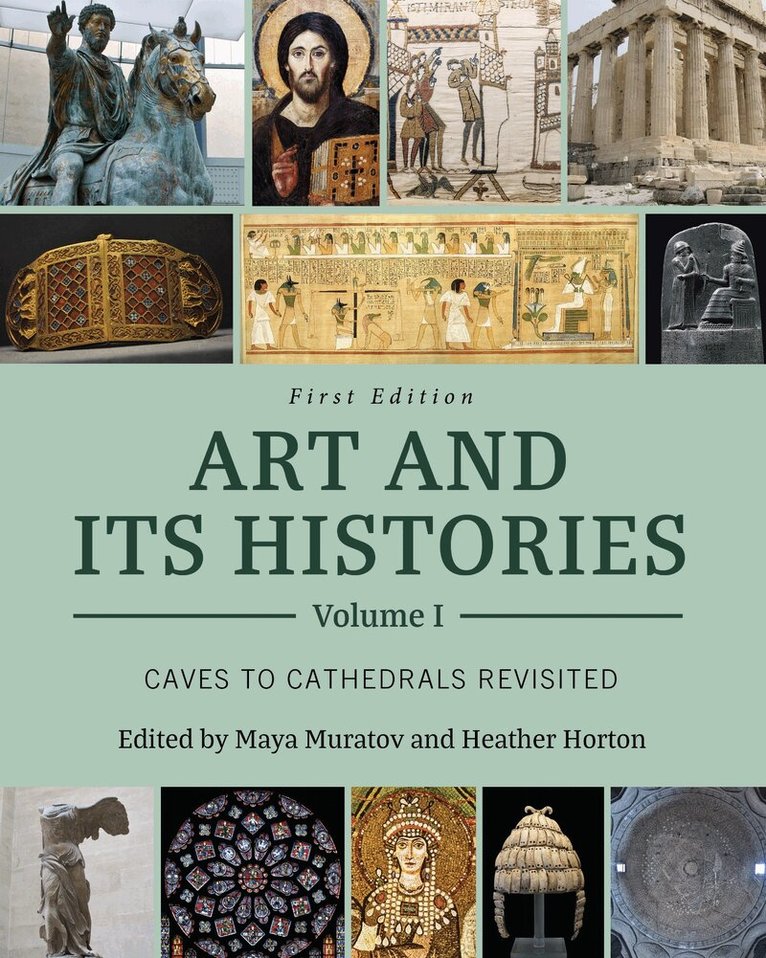
Art and Its Histories, Volume I
Maya Muratov, Heather Horton, Sarah Graff, Mika Natif
Häftad, 2022
2 139 kr
Hoppa över listan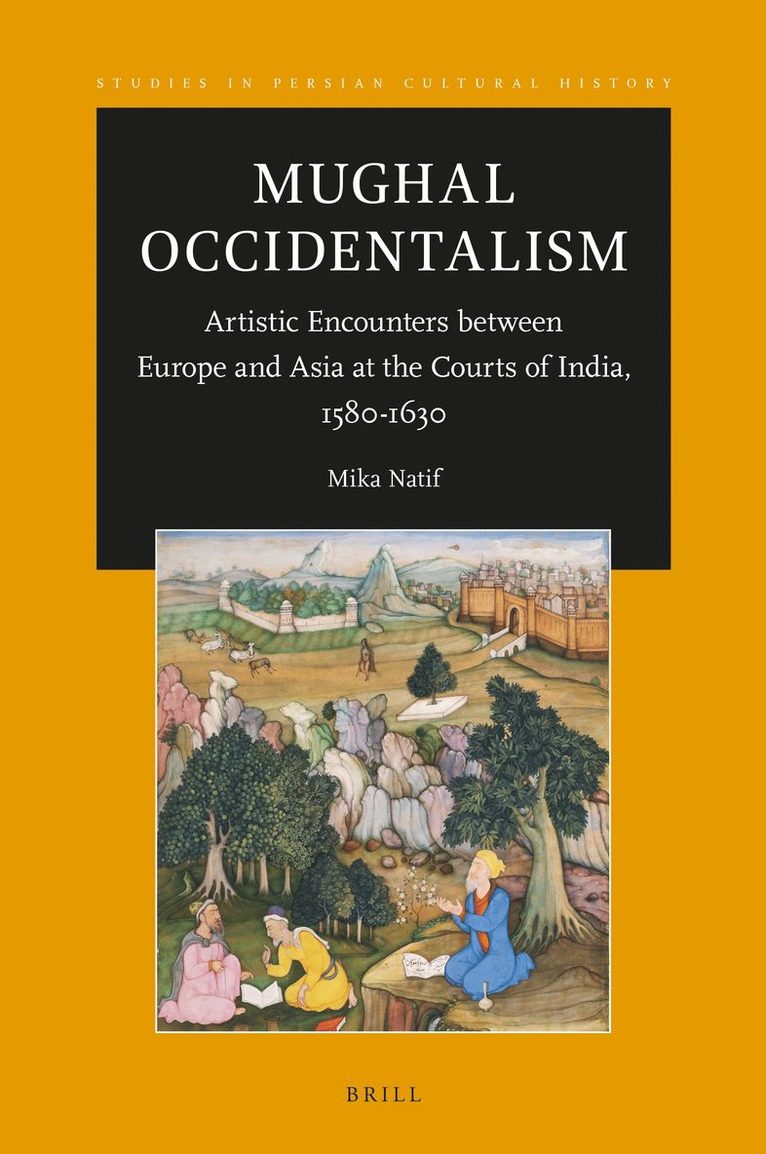




Du kanske också är intresserad av
Del 15
Art and Its Histories, Volume I
Maya Muratov, Heather Horton, Sarah Graff, Mika Natif
Häftad, 2022
2 139 kr
- Nyhet
- Nyhet
- Nyhet
Del 6
- Nyhet
Del 11
Del 3