
Del 154 i serien Cambridge Studies in International and Comparative Law
Minorities and the Making of Postcolonial States in International Law
Inbunden, Engelska, 2021
2 099 kr
Beställningsvara. Skickas inom 5-8 vardagar. Fri frakt för medlemmar vid köp för minst 249 kr.
Finns i fler format (1)
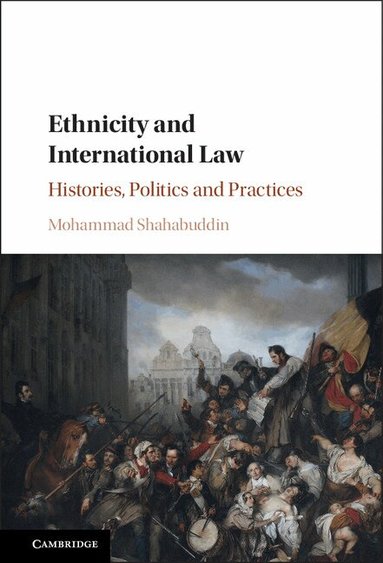
The ideological function of the postcolonial 'national', 'liberal', and 'developmental' state inflicts various forms of marginalisation on minorities, but simultaneously justifies oppression in the name of national unity, equality and non-discrimination, and economic development. International law plays a central role in the ideological making of the postcolonial state in relation to postcolonial boundaries, the liberal-individualist architecture of rights, and the neoliberal economic vision of development. In this process, international law subjugates minority interests and in turn aggravates the problem of ethno-nationalism. Analysing the geneses of ethno-nationalism in postcolonial states, Mohammad Shahabuddin substantiates these arguments with in-depth case studies on the Rohingya and the hill people of the Chittagong Hill Tracts, against the historical backdrop of the minority question in Indian nationalist and constitutional discourse. Shahabuddin also proposes alternative international law frameworks for minorities.
Produktinformation
- Utgivningsdatum2021-06-10
- Mått156 x 235 x 26 mm
- Vikt700 g
- FormatInbunden
- SpråkEngelska
- SerieCambridge Studies in International and Comparative Law
- Antal sidor378
- FörlagCambridge University Press
- ISBN9781108483674
Hoppa över listan
Mer från samma serie
Del 22
International Human Rights and Humanitarian Law
René Provost, James Crawford, John Bell
Häftad, 2005
899 kr
Del 16
Del 5
Del 19
Del 21
Del 24
Del 4
Del 6
Del 30
Del 15
Hoppa över listan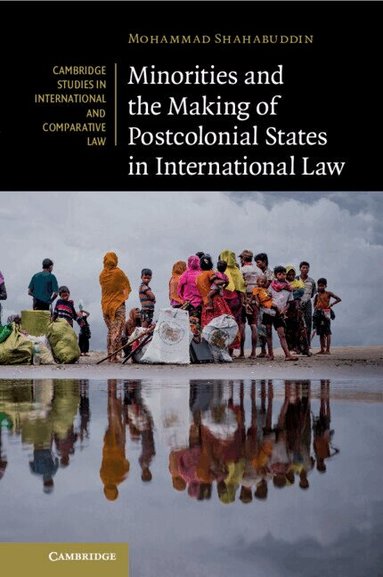

Du kanske också är intresserad av
- Nyhet
Del 154
Minorities and the Making of Postcolonial States in International Law
Mohammad Shahabuddin
Häftad, 2026
759 kr
- Nyhet