
Del i serien Routledge Studies in First World War History
Military Service Tribunals and Boards in the Great War
Determining the Fate of Britain’s and New Zealand’s Conscripts
Häftad, Engelska, 2019
1 199 kr
Beställningsvara. Skickas inom 10-15 vardagar. Fri frakt för medlemmar vid köp för minst 249 kr.
Finns i fler format (1)
While a plethora of studies have discussed why so many men decided to volunteer for the army during the Great War, the experiences of those who were called up under conscription have received relatively little scrutiny. Even when the implementation of the respective Military Service Acts has been investigated, scholars have usually focused on only the distinct minority of those eligible who expressed conscientious objections. It is rare to see equal significance placed on the fact that substantial numbers of men appealed, or were appealed for, on the grounds that their domestic, business, or occupational circumstances meant they should not be expected to serve. David Littlewood analyses the processes undergone by these men, and the workings of the bodies charged with assessing their cases, through a sustained transnational comparison of the British and New Zealand contexts.
Produktinformation
- Utgivningsdatum2019-07-05
- Mått156 x 234 x 11 mm
- Vikt453 g
- FormatHäftad
- SpråkEngelska
- SerieRoutledge Studies in First World War History
- Antal sidor184
- FörlagTaylor & Francis Ltd
- ISBN9780367348892
Tillhör följande kategorier
Hoppa över listan







Mer från samma författare
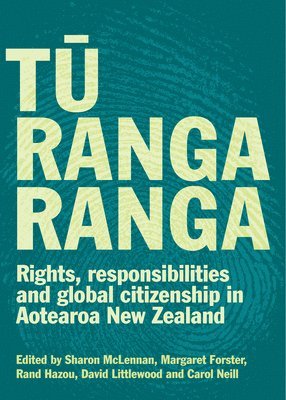
Tū Rangaranga
Sharon McLennan, Margaret Forster, Rand Hazou, David Littlewood, Carol Neill
Häftad, 2022
739 kr
Hoppa över listan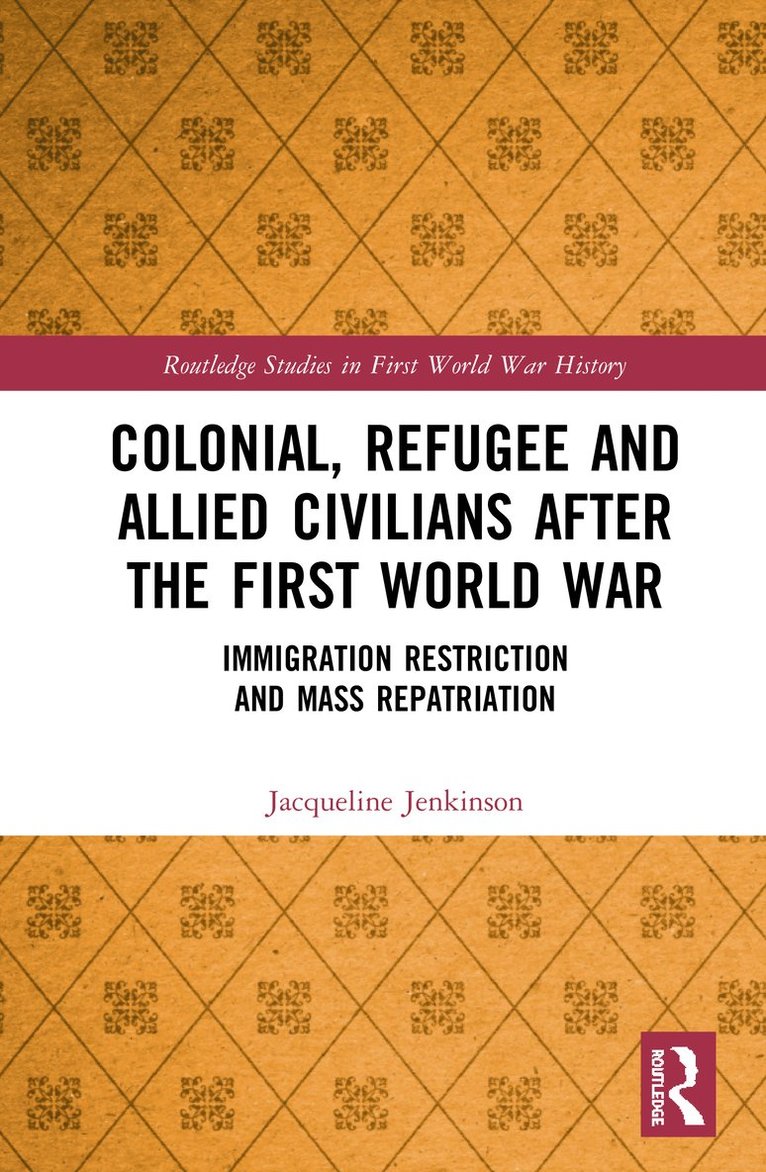


Mer från samma serie
Colonial, Refugee and Allied Civilians after the First World War
Jacqueline Jenkinson
Inbunden, 2020
3 249 kr
Royal Flying Corps, the Western Front and the Control of the Air, 1914–1918
James Pugh
Häftad, 2019
1 029 kr
Museums, History and the Intimate Experience of the Great War
Joy Damousi, Deborah Tout-Smith, Bart Ziino
Inbunden, 2020
2 759 kr
Museums, History and the Intimate Experience of the Great War
Joy Damousi, Deborah Tout-Smith, Bart Ziino
Häftad, 2022
909 kr
