
Del 21 i serien Gonda Indological Studies
Mapping the Pāśupata Landscape
Narrative, Place, and the Śaiva Imaginary in Early Medieval North India
Inbunden, Engelska, 2020
1 649 kr
Beställningsvara. Skickas inom 5-8 vardagar. Fri frakt för medlemmar vid köp för minst 249 kr.
In Mapping the Pāśupata Landscape: Narrative, Place, and the Śaiva Imaginary in Early Medieval North India, Elizabeth A. Cecil explores the sacred geography of the earliest community of Śiva devotees called the Pāśupatas. This book brings the narrative cartography of the Skandapurāṇa into conversation with physical landscapes, inscriptions, monuments, and icons in order to examine the ways in which Pāśupatas were emplaced in regional landscapes and to emphasize the use of material culture as media through which notions of belonging and identity were expressed. By exploring the ties between the formation of early Pāśupata communities and the locales in which they were embedded, this study reflects critically upon the ways in which community building was coincident with place-making in Early Medieval India.
Produktinformation
- Utgivningsdatum2020-03-12
- Mått155 x 235 x 17 mm
- Vikt655 g
- FormatInbunden
- SpråkEngelska
- SerieGonda Indological Studies
- Antal sidor272
- FörlagBrill
- ISBN9789004423947
Tillhör följande kategorier
Hoppa över listan

Mer från samma serie
Del 22
Del 17
Del 23
Early Āndhradeśa: Historical Studies around the Epigraphic Corpus
Arlo Griffiths, Vincent Tournier, Akira Shimada
Inbunden, 2025
1 569 kr
Early Āndhradeśa: Historical Studies around the Epigraphic Corpus
Arlo Griffiths, Vincent Tournier, Akira Shimada
Inbunden, 2025
2 979 kr
Del 26
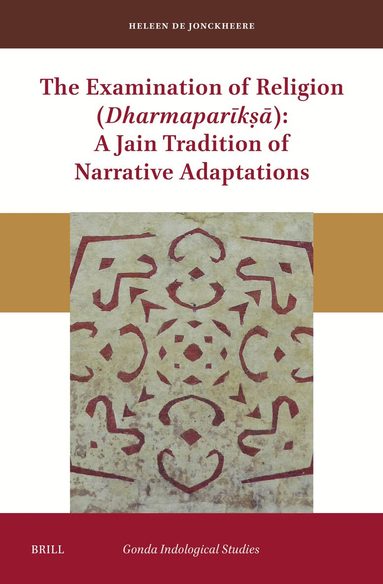
Examination of Religion (Dharmaparīkṣā): A Jain Tradition of Narrative Adaptations
Heleen De Jonckheere
Inbunden, 2026
1 959 kr
Del 27
Del 2
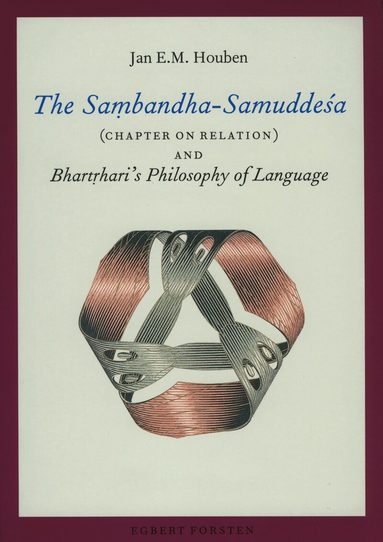
Saṃbandha-Samuddeśa (Chapter on Relation) and Bhartṛhari's Philosophy of Language
Jan Houben
Häftad, 1995
1 559 kr
Hoppa över listan
Du kanske också är intresserad av
Early Āndhradeśa: Historical Studies around the Epigraphic Corpus
Arlo Griffiths, Vincent Tournier, Akira Shimada
Inbunden, 2025
1 569 kr
Del 22
- Nyhet
Del 6
Del 17
Del 23
Early Āndhradeśa: Historical Studies around the Epigraphic Corpus
Arlo Griffiths, Vincent Tournier, Akira Shimada
Inbunden, 2025
2 979 kr
Del 27
Del 2
Saṃbandha-Samuddeśa (Chapter on Relation) and Bhartṛhari's Philosophy of Language
Jan Houben
Häftad, 1995
1 559 kr
Del 26
Examination of Religion (Dharmaparīkṣā): A Jain Tradition of Narrative Adaptations
Heleen De Jonckheere
Inbunden, 2026
1 959 kr