
Del i serien Cambridge Composer Studies
Lully Studies
Häftad, Engelska, 2009
809 kr
Beställningsvara. Skickas inom 5-8 vardagar. Fri frakt för medlemmar vid köp för minst 249 kr.
Finns i fler format (1)
The historical importance of composer Jean-Baptiste Lully has long been recognised. Regarded as the founder of French opera, as the embodiment of Baroque musical style and a key figure in the development of court ballet, his work enjoys popularity and scholarly interest. This volume presents the best research on Lully's life, his work and his influence. Eleven essays by American and European scholars address a wide range of topics including Lully's genealogy, the Tragédie Lyrique, Lully's Palais Royal theatre, the collaboration with Molière, the transmission of Lully's work away from the Ile-de-France, and an unexplored link with Marcel Proust. Illustrated with musical examples and photographs, the volume also contains surprising archival discoveries about the composer's early life in Tuscany and new information about his manuscript sources. It will interest all those involved in the music of Lully and his time, whether musicologists, historians, performers or listeners.
Produktinformation
- Utgivningsdatum2009-08-20
- Mått152 x 229 x 19 mm
- Vikt490 g
- FormatHäftad
- SpråkEngelska
- SerieCambridge Composer Studies
- Antal sidor332
- FörlagCambridge University Press
- ISBN9780521118651
Tillhör följande kategorier
Hoppa över listan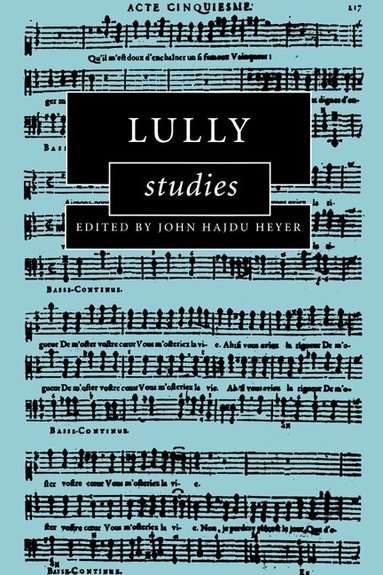



Du kanske också är intresserad av
- Nyhet
Del 7
- Nyhet
Del 4
- Nyhet
Del 6
- Nyhet
Del 3
- Nyhet
Del 11
- Nyhet