
Lost Dramas of Classical Athens
Greek Tragic Fragments
Inbunden, Engelska, 2005
3 799 kr
Beställningsvara. Skickas inom 3-6 vardagar. Fri frakt för medlemmar vid köp för minst 249 kr.
This is the first substantial study of Greek tragedies known to us only from small fragmentary remnants that have survived. The book discusses a variety of Greek tragic fragments from all three of the famous Athenian tragedians: Aeschylus, Sophocles and Euripides. The recent publication of translations of some of these fragments (Sophocles in the Loeb series, and Euripides in the Aris and Phillips series) means that the fragments are now more readily available than ever for study. The large number of extant fragments of ancient Greek tragedy can tell us enormous amounts about that genre and about the society which produced it. Papyrus finds over the last hundred years have drastically altered and supplemented our knowledge of ancient Greek tragedy; the book is at the cutting-edge of research in this field.
Produktinformation
- Utgivningsdatum2005-06-10
- Mått165 x 240 x undefined mm
- FormatInbunden
- SpråkEngelska
- Antal sidor272
- FörlagLiverpool University Press
- ISBN9780859897525
Tillhör följande kategorier
Hoppa över listan




Mer från samma författare
Diversity and the Study of Antiquity in Higher Education
Daniel Libatique, Fiona McHardy
Inbunden, 2023
1 479 kr
Diversity and the Study of Antiquity in Higher Education
Daniel Libatique, Fiona McHardy
Häftad, 2024
489 kr
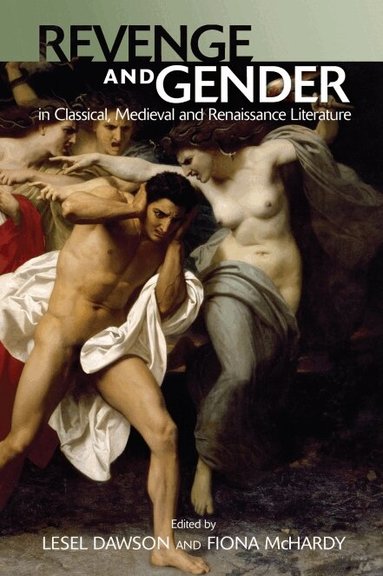
Revenge and Gender in Classical, Medieval, and Renaissance Literature
Lesel Dawson, Fiona McHardy
Inbunden, 2018
2 119 kr
Hoppa över listan
Du kanske också är intresserad av
Teaching and Learning Classics at the University Level Vol. 2
Antti Lampinen, Han Baltussen, John Gruber-Miller, Fiona McHardy, Krzysztof Bielawski, Rachel Zelnick-Abramovitz, Ewa Skwara, Laurence Totelin, Marco Tibaldini, Peter J. Miller, Sadi Maréchal, Alberto Regagliolo
Inbunden, 2026
2 269 kr
Diversity and the Study of Antiquity in Higher Education
Daniel Libatique, Fiona McHardy
Inbunden, 2023
1 479 kr
Diversity and the Study of Antiquity in Higher Education
Daniel Libatique, Fiona McHardy
Häftad, 2024
489 kr
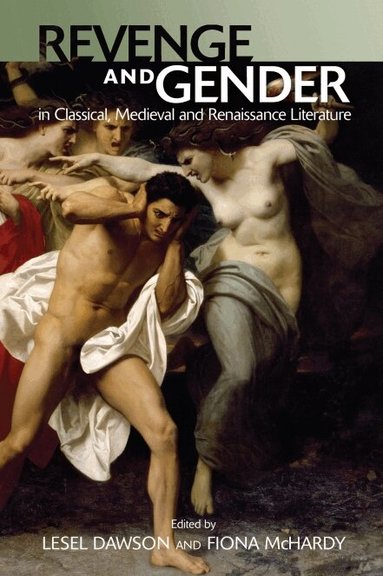
Revenge and Gender in Classical, Medieval, and Renaissance Literature
Lesel Dawson, Fiona McHardy
Häftad, 2019
879 kr
Revenge and Gender in Classical, Medieval, and Renaissance Literature
Lesel Dawson, Fiona McHardy
Inbunden, 2018
2 119 kr