
- Nyhet
Del i serien Language, Society and Political Economy
Language Textbooks in the era of Neoliberalism
Inbunden, Engelska, 2018
3 119 kr
Beställningsvara. Skickas inom 10-15 vardagar. Fri frakt för medlemmar vid köp för minst 249 kr.
Finns i fler format (1)
This book examines how neoliberalism finds expression in foreign language textbooks. Moving beyond the usual focus on English, Pau Bori explores the impact of neoliberal ideology on Catalan textbooks. By comparing Catalan textbooks to English textbooks, this book interrogates the similarities and differences between a minor and a global language in the age of neoliberalism. Drawing on insights from critical theory and critical pedagogy, this study provides a fresh perspective on foreign language textbooks and second language education more broadly. Language Textbooks in the Era of Neoliberalism paves the way for new critical perspectives in language education that will challenge the current hegemony of neoliberalism.
Produktinformation
- Utgivningsdatum2018-02-20
- Mått156 x 234 x 17 mm
- Vikt430 g
- FormatInbunden
- SpråkEngelska
- SerieLanguage, Society and Political Economy
- Antal sidor196
- FörlagTaylor & Francis Ltd
- ISBN9781138223196
Tillhör följande kategorier
Hoppa över listan

Mer från samma serie
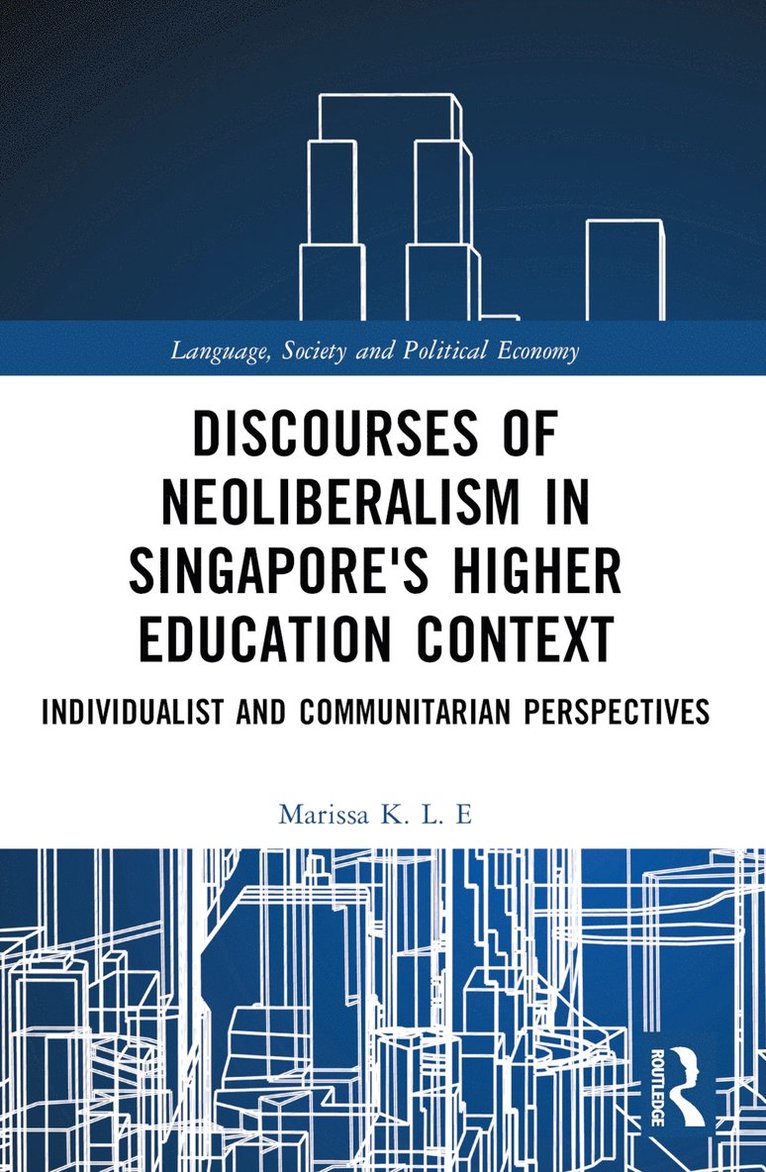
Discourses of Neoliberalism in Singapore's Higher Education Context
Marissa K. L. E
Inbunden, 2022
2 649 kr
Discourses of Neoliberalism in Singapore's Higher Education Context
Marissa K. L. E
Häftad, 2024
809 kr
Hoppa över listan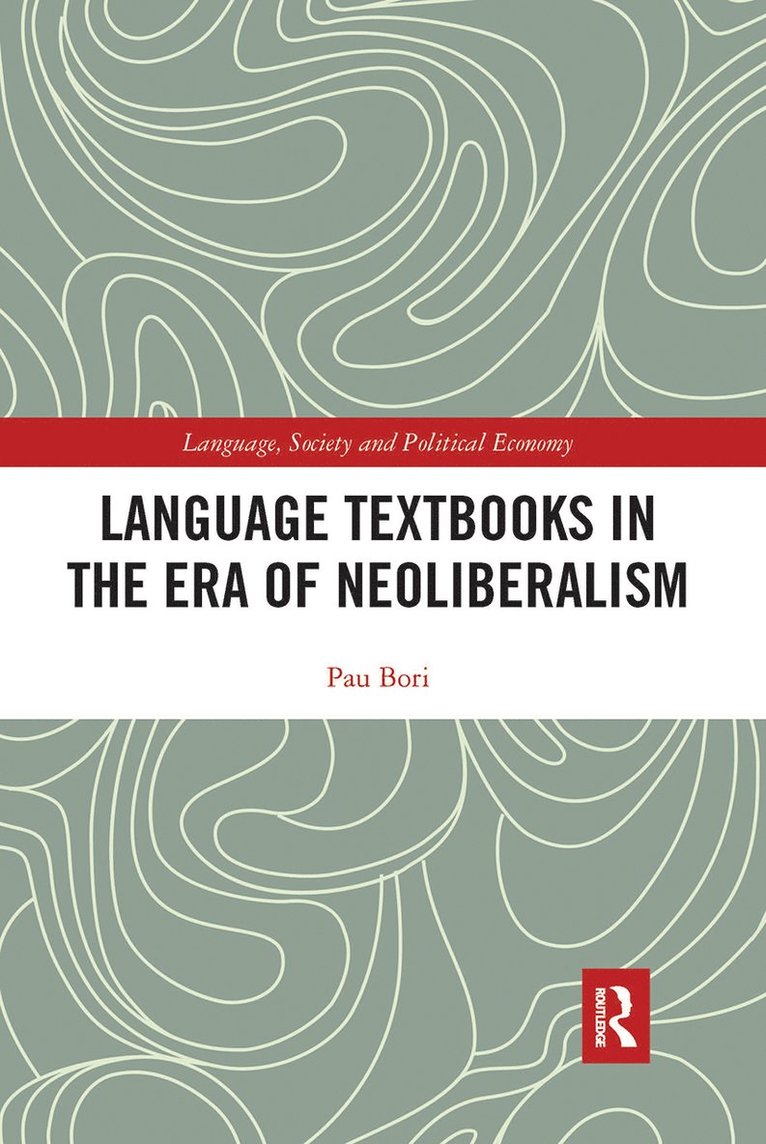

Du kanske också är intresserad av
- Nyhet
- Nyhet
Discourses of Neoliberalism in Singapore's Higher Education Context
Marissa K. L. E
Häftad, 2024
809 kr