
Keloids We Heal
Trauma, Spirituality, and Black Modernity in Literature
Häftad, Engelska, 2025
499 kr
Beställningsvara. Skickas inom 5-8 vardagar. Fri frakt för medlemmar vid köp för minst 249 kr.
Finns i fler format (1)
Women of colors and a literature written in corporeal and spiritual scarsThe corporeal and spiritual healing in literature by women of colors can be seen to redefine modern thought and printed text. Sarah Soanirina Ohmer traces the impact of colonization and enslavement on Black women and Black women’s contributions to colonial, nineteenth, and twentieth century literature in the US, Brazil, and the Caribbean. Drawing on intersectional analysis, Ohmer focuses on portrayals of trauma and spirituality in works by Toni Morrison, ConceiÇÃo Evaristo, Maryse CondÉ, Gloria AnzaldÚa, the Quilombhoje poets, and MarÍa de los Reyes Castillo. Ohmer compares literature from different countries along four thematic pathways: ghosts, mirrors, naming, and motherhood. Her analysis unlocks the literature’s power to heal through gut-wrenching descriptions of wounds and thrilling passages of hope and liberation. Throughout, Ohmer weaves in her life story as a Black woman as she reflects on how colonialism, racism, sexism, and capitalism have impacted her work, traumas, and faith journey.
Produktinformation
- Utgivningsdatum2025-05-13
- Mått156 x 235 x 23 mm
- Vikt426 g
- FormatHäftad
- SpråkEngelska
- SerieTransformations: Womanist, Feminist, and Indigenous Studies
- Antal sidor264
- FörlagUniversity of Illinois Press
- ISBN9780252088544
Tillhör följande kategorier
Hoppa över listan
Mer från samma serie
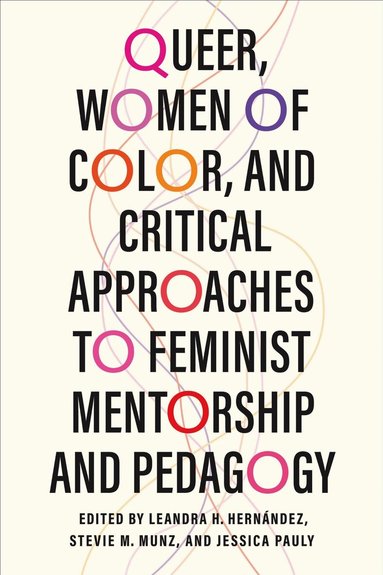
Queer, Women of Color, and Critical Approaches to Feminist Mentorship and Pedagogy
Leandra H. Hernández, Stevie M. Munz, Jessica A. Pauly
Inbunden, 2025
1 569 kr
- Nyhet