
Islamic Culture and Pre-Islamic Beliefs in Central Asia
Inbunden, Engelska, 2024
1 739 kr
Beställningsvara. Skickas inom 10-15 vardagar. Fri frakt för medlemmar vid köp för minst 249 kr.
The introduction of Islam ushered in an era of social and cultural change to the region. Some pre-Islamic sacred places have been transformed into Islamic ones, and the cult of saints absorbed elements of both local and Arab mythology. This volume which is a project initiated by the Balkan History Association, focuses on Islamic culture, traditions, and pre-Islamic beliefs in Central Asia. The chapters emphasize the importance of religious life, the significance of certain “sacred places,” and their role in the socio-spiritual life. The volume includes research spanning a period from antiquity to the Post-Soviet era to explore how landscapes of religious places and practices were interpreted and reinterpreted through time.
Produktinformation
- Utgivningsdatum2024-09-15
- Mått158 x 236 x 28 mm
- Vikt621 g
- FormatInbunden
- SpråkEngelska
- Antal sidor298
- FörlagBloomsbury Publishing Plc
- ISBN9781666969290
Tillhör följande kategorier
Hoppa över listan






Mer från samma författare
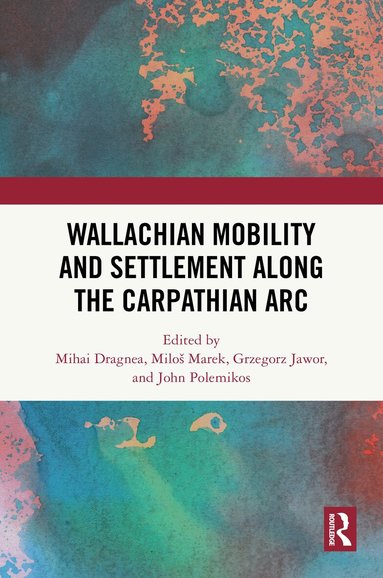
Wallachian Mobility and Settlement along the Carpathian Arc
Mihai Dragnea, Miloš Marek, Grzegorz Jawor, John Polemikos
Inbunden, 2025
3 349 kr
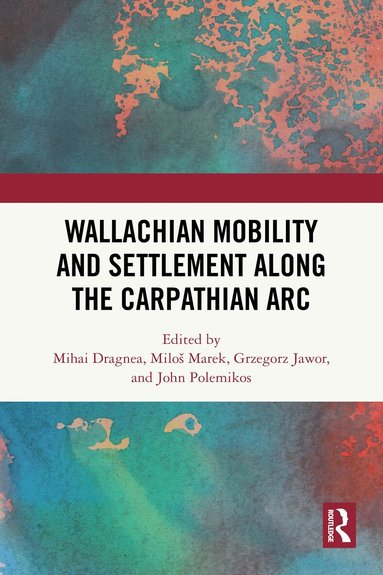
Wallachian Mobility and Settlement along the Carpathian Arc
Mihai Dragnea, Miloš Marek, Grzegorz Jawor, John Polemikos
Häftad, 2026
939 kr
Christian Identity Formation Across the Elbe in the Tenth and Eleventh Centuries
Mihai Dragnea, Mihai Dragnea
Inbunden, 2021
729 kr
Del 5
Del 2
Aspects of Islamic Radicalization in the Balkans After the Fall of Communism
Mihai Dragnea, Joseph Fitsanakis, Darko Trifunovic, John M. Nomikos, Vasko Stamevski, Adriana Cupcea
Inbunden, 2023
1 219 kr
Del 4
Del 13
Deportation in East Central Europe in the 20th Century
Mihaela Martin, Michael Daniel Sagatis, Dallas Michelbacher, Mihai Dragnea
Inbunden, 2024
1 219 kr
Del 14
Hoppa över listan

Du kanske också är intresserad av
Pilgrimage in the Christian Balkan World
Dorina Dragnea, Emmanouil Ger Varvounis, Evelyn Reuter, Susan Sorek
Inbunden, 2023
1 389 kr
Wallachian Mobility and Settlement along the Carpathian Arc
Mihai Dragnea, Miloš Marek, Grzegorz Jawor, John Polemikos
Inbunden, 2025
3 349 kr
Del 5
Del 4
Del 2
Aspects of Islamic Radicalization in the Balkans After the Fall of Communism
Mihai Dragnea, Joseph Fitsanakis, Darko Trifunovic, John M. Nomikos, Vasko Stamevski, Adriana Cupcea
Inbunden, 2023
1 219 kr
Del 15
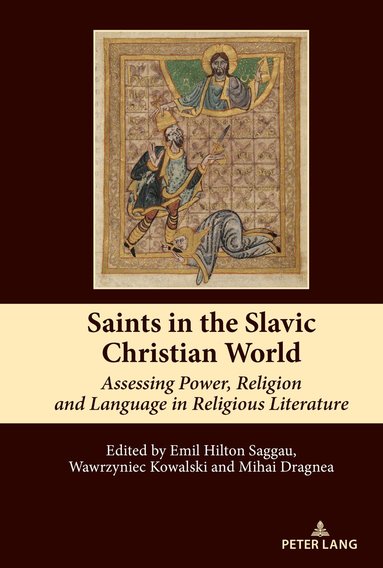
Saints in the Slavic Christian World
Emil Bjorn Hilton Saggau, Mihai Dragnea, Wawrzyniec Kowalski
Inbunden, 2025
1 169 kr
Christian Identity Formation Across the Elbe in the Tenth and Eleventh Centuries
Mihai Dragnea, Mihai Dragnea
Inbunden, 2021
729 kr