
Del i serien Studies in Modern French and Francophone History
Inventing the Modern Region
Basque Identity and the French Nation-State
Inbunden, Engelska, 2024
1 629 kr
Skickas . Fri frakt för medlemmar vid köp för minst 249 kr.
Finns i fler format (1)
This book explores the process by which the French Basque country acquired a folkloric regional identity in the long nineteenth century. It argues that, despite its origins in pre-modern customs, this stereotypical identity was invented as part of France’s process of nation-building. The abolition of privileges in 1789 prompted a new interest in local culture as the defining feature of provincial France, shaping the transition from the pre-‘modern’ province to the ‘modern’ region. The relationship between the region and the nation, however, was difficult. Regional culture favoured the integration of the French Basque provinces into the French nation-state but also challenged the authority of the central state. As a result, Basque region-building reveals the strengths and weaknesses of the unitary model of French nationhood, in the nineteenth century as well as today.
Produktinformation
- Utgivningsdatum2024-02-27
- Mått138 x 216 x 16 mm
- Vikt463 g
- FormatInbunden
- SpråkEngelska
- SerieStudies in Modern French and Francophone History
- Antal sidor272
- FörlagManchester University Press
- ISBN9781526169259
Tillhör följande kategorier
Hoppa över listan







Mer från samma serie
Aristocratic Families in Republican France, 1870–1940
Elizabeth Chalmers MacKnight
Inbunden, 2012
1 639 kr
Hoppa över listan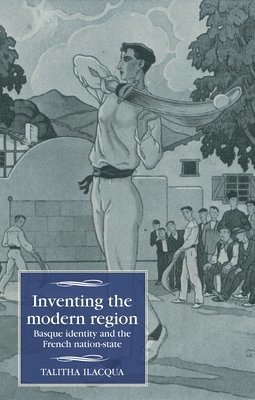





Du kanske också är intresserad av
- Nyhet
Del 7
- Nyhet
Del 1
Aristocratic Families in Republican France, 1870–1940
Elizabeth Chalmers MacKnight
Inbunden, 2012
1 639 kr
- Nyhet
Del 3
- Nyhet