
Intelligent Adaptive Systems
An Interaction-Centered Design Perspective
Häftad, Engelska, 2017
1 329 kr
Beställningsvara. Skickas inom 10-15 vardagar. Fri frakt för medlemmar vid köp för minst 249 kr.
Finns i fler format (1)
As ubiquitous as the atmosphere, intelligent adaptive systems (IASs) surround us in our daily lives. When designed well, these systems sense users and their environments so that they can provide support in a manner that is not only responsive to the evolving situation, but unnoticed by the user. A synthesis of recent research and developments on IASs from the human factors (HF) and human–computer interaction (HCI) domains, Intelligent Adaptive Systems: An Interaction-Centered Design Perspective provides integrated design guidance and recommendations for researchers and system developers. The book explores a recognized lack of integration between the HF and HCI research communities, which has led to inconsistencies between the research approaches adopted, and a lack of exploitation of research from one field by the other. The authors integrate theories and methodologies from these domains to provide design recommendations for human–machine developers. They then establish design guidance through the review of conceptual frameworks, analytical methodologies, and design processes for intelligent adaptive systems. The book draws on case studies from the military, medical, and distance learning domains to illustrate intelligent system design to examine lessons learned.Outlining an interaction-centered perspective for designing an IAS, the book details methodologies for understanding human work in complex environments and offers understanding about why and how optimizing human–machine interaction should be central to the design of IASs. The authors present an analytical and design methodology as well as an implementation strategy that helps you choose the proper design framework for your needs.
Produktinformation
- Utgivningsdatum2017-10-12
- Mått156 x 234 x 24 mm
- Vikt620 g
- FormatHäftad
- SpråkEngelska
- Antal sidor331
- FörlagTaylor & Francis Ltd
- ISBN9781138747784
Tillhör följande kategorier
Hoppa över listan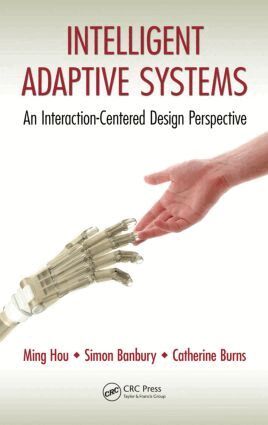




Du kanske också är intresserad av
How to Tell a Story
The Moth, Meg Bowles, Catherine Burns, Jenifer Hixson, Sarah Austin Jenness, Kate Tellers
Häftad, 2024
199 kr
Engineering Psychology and Human Performance
Christopher D. Wickens, William S. Helton, Justin G. Hollands, Simon Banbury
Inbunden, 2021
3 719 kr
Cognitive Approach to Situation Awareness: Theory and Application
Sébastien Tremblay, Simon Banbury
Inbunden, 2004
3 159 kr
Cognitive Approach to Situation Awareness: Theory and Application
Sébastien Tremblay, Simon Banbury
Häftad, 2016
1 169 kr