
Del i serien Bloomsbury Research in Illustration Series
Illustration and Heritage
Inbunden, Engelska, 2024
1 299 kr
Beställningsvara. Skickas inom 5-8 vardagar. Fri frakt för medlemmar vid köp för minst 249 kr.
Finns i fler format (1)
Illustration and Heritage explores the re-materialisation of absent, lost, and invisible stories through illustrative practice and examines the potential role of contemporary illustration in cultural heritage. Heritage is a ‘process’ that is active and takes place in the present. In the heritage industry, there are opposing discourses and positions, and illustrators are a critical voice within the field.Grounding discussions in concepts fundamental to the illustrator, the book examines how the historical voice might be ‘found’ or reconstructed. Rachel Emily Taylor uses her own work and other illustrators’ projects as case studies to explore how the making of creative work – through the exploration of archival material and experimental fieldwork – is an important investigative process and engagement strategy when working with heritage. What are the similar functions of heritage and illustration? How can an illustrator ‘give voice’ to a historical person? How can an illustrator disrupt an archive or museum? How can an illustrator represent a historical landscape or site? This book is a contribution to the expanding field of illustration research that focusses on its position in heritage practice. Taylor examines the illustrator’s role within the field, while positioning it alongside the disciplines of museology, anthropology, archaeology, performance, and fine art.
Produktinformation
- Utgivningsdatum2024-02-08
- Mått160 x 236 x 18 mm
- Vikt560 g
- FormatInbunden
- SpråkEngelska
- SerieBloomsbury Research in Illustration Series
- Antal sidor192
- FörlagBloomsbury Publishing PLC
- ISBN9781350294172
Tillhör följande kategorier
Hoppa över listan
Mer från samma serie
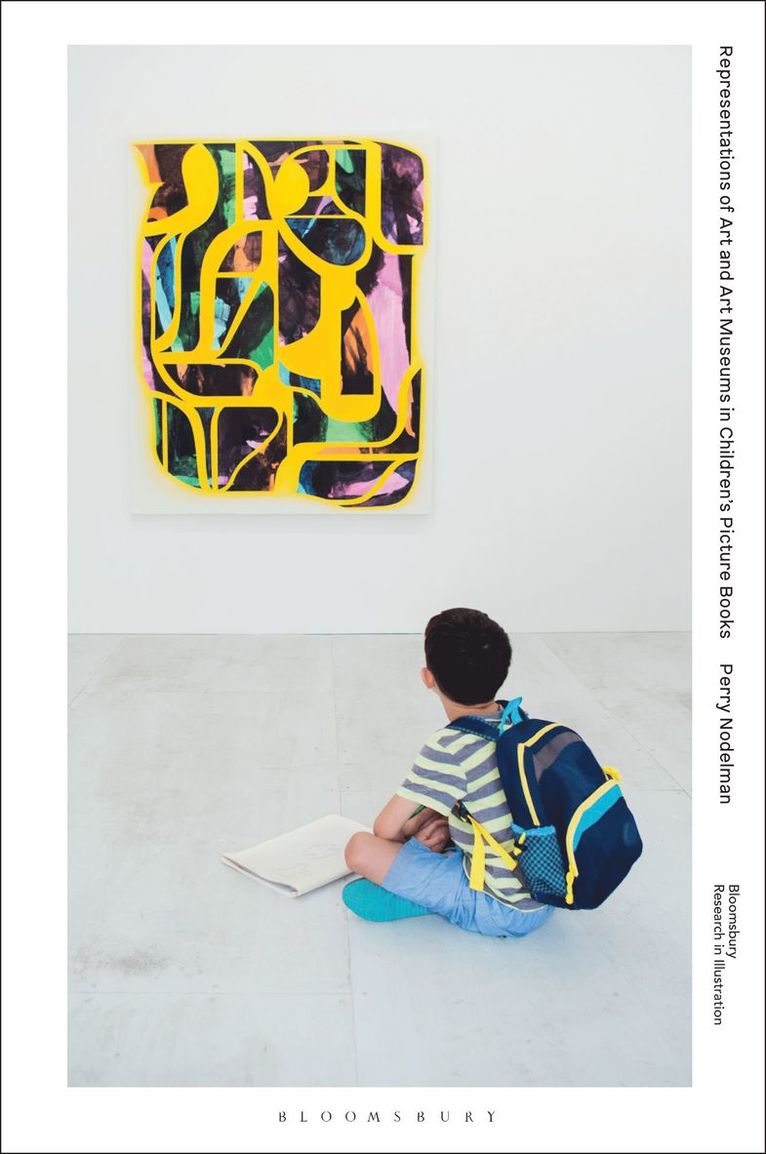
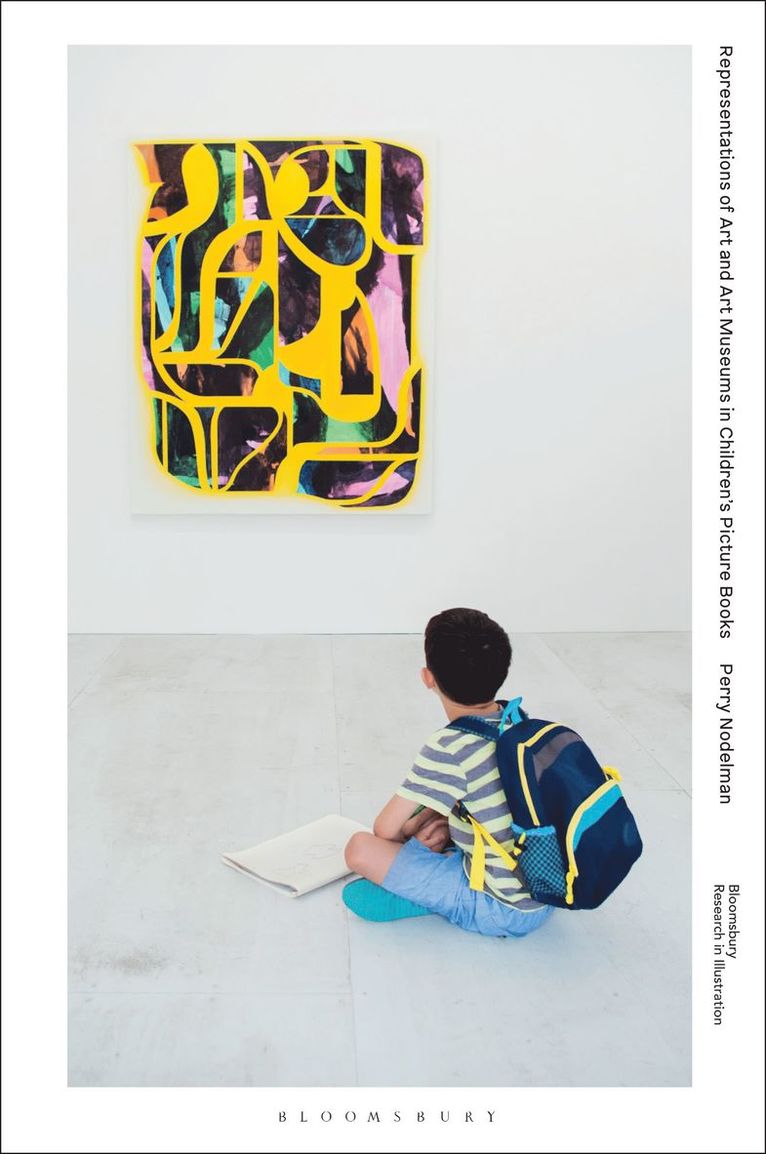
Representations of Art and Art Museums in Children’s Picture Books
Perry Nodelman
Inbunden, 2024
1 759 kr
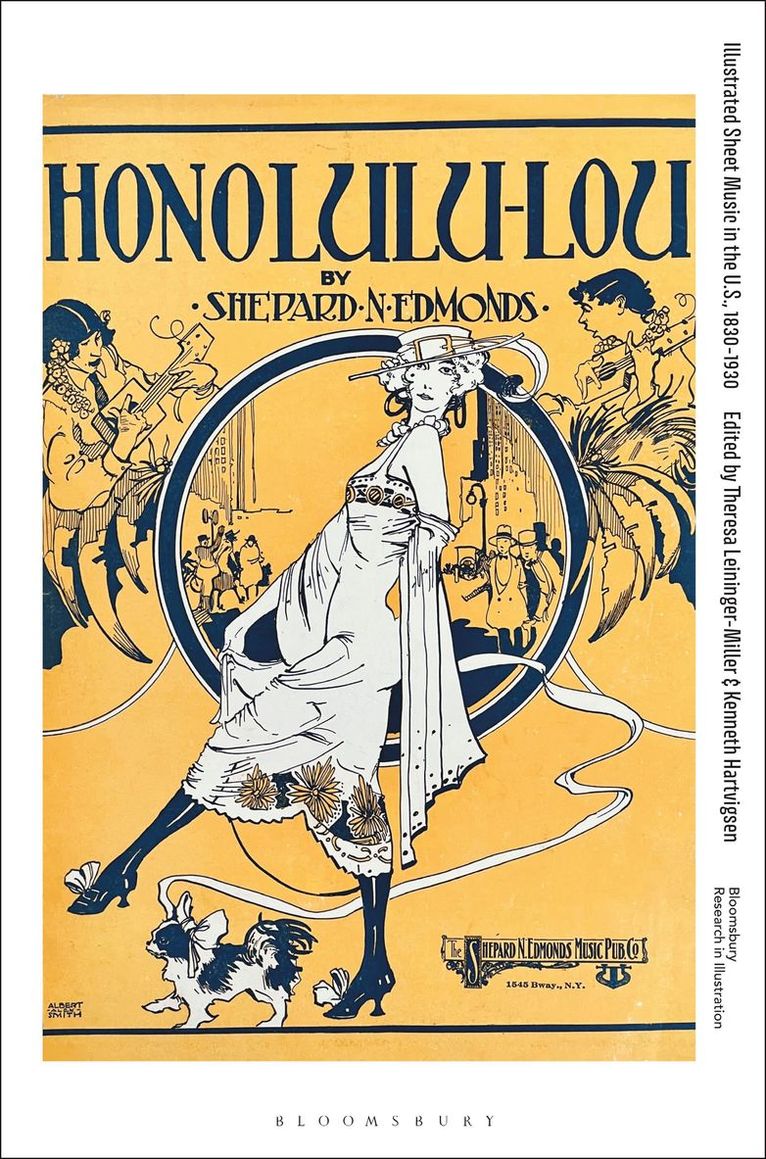
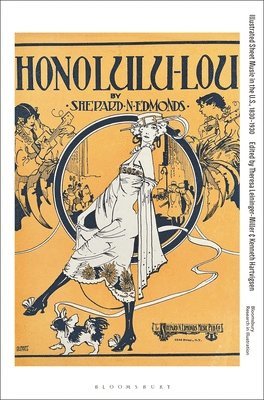
Illustrated Sheet Music in the U.S., 1830-1930
Theresa Leininger-Miller, Kenneth Hartvigsen
Inbunden, 2025
1 669 kr
Illustrated Sheet Music in the U.S., 1830-1930
Theresa Leininger-Miller, Kenneth Hartvigsen
Häftad, 2027
659 kr
Hoppa över listan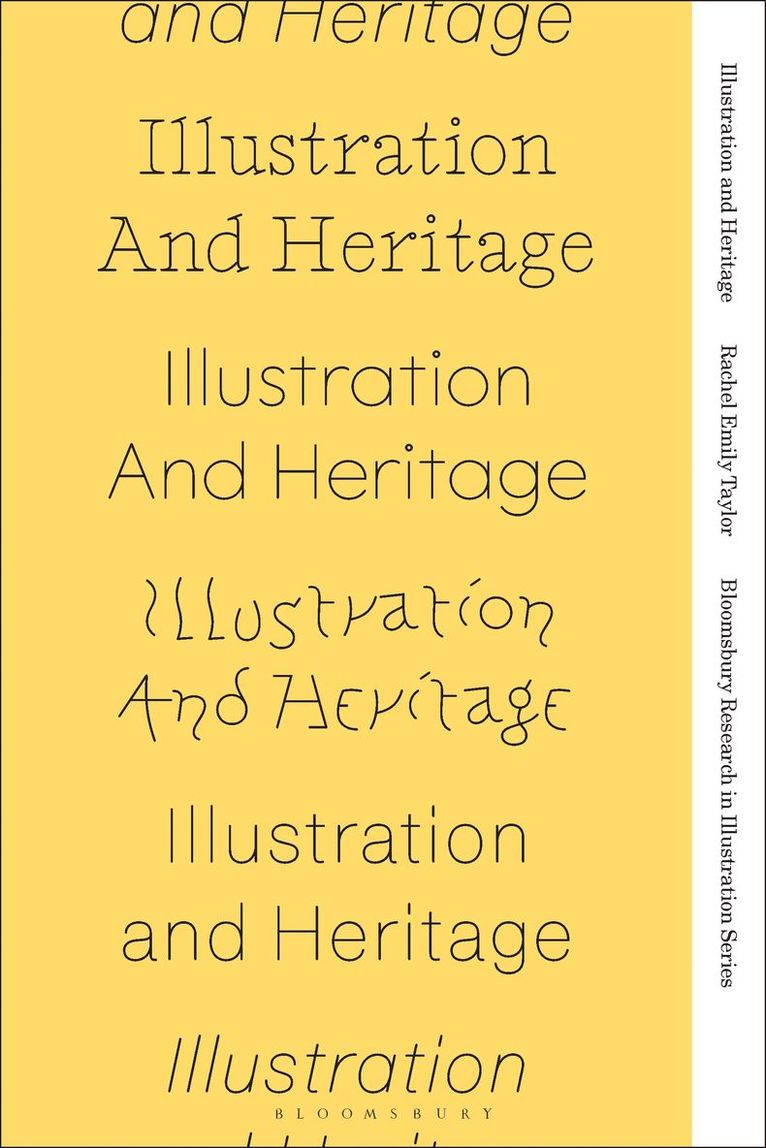
Du kanske också är intresserad av
Illustrated Sheet Music in the U.S., 1830-1930
Theresa Leininger-Miller, Kenneth Hartvigsen
Häftad, 2027
659 kr
Representations of Art and Art Museums in Children’s Picture Books
Perry Nodelman
Inbunden, 2024
1 759 kr
Illustrated Sheet Music in the U.S., 1830-1930
Theresa Leininger-Miller, Kenneth Hartvigsen
Inbunden, 2025
1 669 kr