
Hot Mess
Mothering Through a Code Red Climate Emergency
Häftad, Engelska, 2024
299 kr
Skickas . Fri frakt för medlemmar vid köp för minst 249 kr.
No longer is the climate emergency purely an external threat to our wellbeing: this profoundly political circumstance is deeply personal. The summer after giving birth, Sarah Marie Wiebe and her baby endured the 2021 heat dome in British Columbia, with temperatures over 20 degrees above normal, creating all-time heat records across the province. It was the deadliest weather event in Canadian history. The extreme heat landed Wiebe in the hospital, dehydrated and separated from her nursing baby from dawn until dusk. So began a year of mothering through heat, fires and floods. The climate emergency’s many incarnations shaped Wiebe’s politics of parenting and revealed the layers, textures and nuances of the disastrous emergencies we encounter in a world dominated by extractive capitalism. Drawing on hospital codes to explore the connections, Wiebe opens up tender conversations about intimate matters of how our bodies respond to emergency interventions: informed consent, emergency C-sections, reproductive mental health, and anti-colonial and anti-racist resistance. A critical ecofeminist scholar, Wiebe invites collective envisioning and enacting of caring, ethical relations between humans and the planet, including our atmospheres, lands, waters, animals, plants and each other.
Produktinformation
- Utgivningsdatum2024-10-29
- Mått127 x 178 x 14 mm
- Vikt192 g
- FormatHäftad
- SpråkEngelska
- Antal sidor144
- FörlagFernwood Publishing Co Ltd
- MedarbetareRachel yacaaʔałGeorge
- ISBN9781773635668
Tillhör följande kategorier
Hoppa över listan



Mer från samma författare
- Nyhet
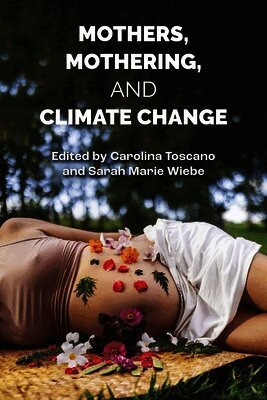
Mothers, Mothering and Climate Change
Carolina Toscano, Sarah Marie Wiebe, Sarah Marie Wiebe, Carolina Toscano
Häftad, 2026
689 kr
Hoppa över listan
Du kanske också är intresserad av
- Nyhet
Mothers, Mothering and Climate Change
Carolina Toscano, Sarah Marie Wiebe, Sarah Marie Wiebe, Carolina Toscano
Häftad, 2026
689 kr
- Nyhet
Del 3