
Del i serien Tracking Pop
Here for the Hearing
Analyzing the Music in Musical Theater
Häftad, Engelska, 2023
589 kr
Beställningsvara. Skickas inom 5-8 vardagar. Fri frakt för medlemmar vid köp för minst 249 kr.
Winner of the Society for Music Theory's Outstanding Multi-Author Collection AwardThis book offers a series of essays that show the integrated role that musical structure (including harmony, melody, rhythm, meter, form, and musical association) plays in making sense of what transpires onstage in musicals. Written by a group of music analysts who care deeply about musical theater, this collection provides new understanding of how musicals are put together, how composers and lyricists structure words and music to complement one another, and how music helps us understand the human relationships and historical and social contexts. Using a wide range of musical examples, representing the history of musical theater from the 1920s to the present day, the book explores how music interacts with dramatic elements within individual shows and other pieces within and outside of the genre. These essays invite readers to consider issues that are fundamental both to our understanding of musical theater and to the multiple ways we engage with music.
Produktinformation
- Utgivningsdatum2023-05-22
- Mått152 x 229 x undefined mm
- FormatHäftad
- SpråkEngelska
- SerieTracking Pop
- Antal sidor310
- FörlagThe University of Michigan Press
- ISBN9780472039302
Tillhör följande kategorier
Hoppa över listan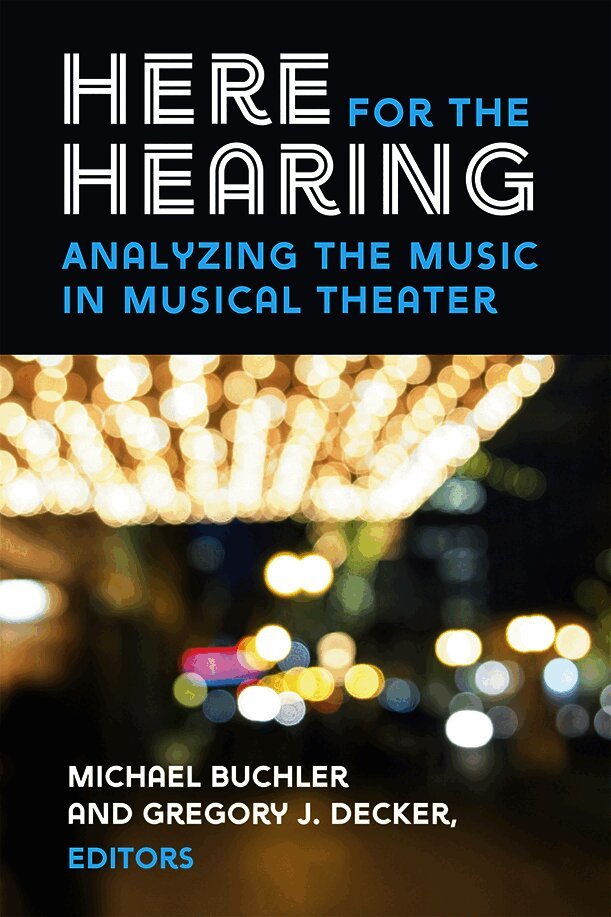




Du kanske också är intresserad av
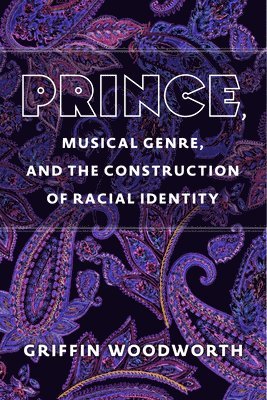
Prince, Musical Genre, and the Construction of Racial Identity
Griffin Woodworth
Inbunden, 2025
1 499 kr
- Nyhet
Del 3