
Guide to Hematology in Dogs and Cats
Häftad, Engelska, 2001
1 189 kr
Beställningsvara. Skickas inom 5-8 vardagar. Fri frakt för medlemmar vid köp för minst 249 kr.
A Guide to Hematology is a valuable, hands-on, laboratory manual for the practitioner and technician. It provides step-by-step guidelines for the collection and processing of blood samples and interpretation of the hemogram. It also serves as a guide to patient assessment and treatment planning for all common hematological disorders and diseases in dogs and cats. Veterinarians are able to test comprehension of the material through case studies with self test questions. This guide is designed to work with all currently available blood analyzer systems, providing detailed guidelines for hemogram interpretation, identification of artifacts and false positive results. Basic science is limited to information that is needed by the individual performing the rest and interpreting the results. This 264 page presentation boasts 178 full color images and has a lay flat binding for easy in lab reference. A Guide to Hematology in Dogs and Cats was designed for the practitioner and technician who incorporate hematology studies in the office setting and is an ideal clinic laboratory reference.Published by Teton New Media in the USA and distributed by CRC Press outside of North America.
Produktinformation
- Utgivningsdatum2001-12-10
- Mått146 x 215 x 25 mm
- Vikt280 g
- FormatHäftad
- SpråkEngelska
- Antal sidor276
- FörlagTeton NewMedia
- ISBN9781893441484
Tillhör följande kategorier
Hoppa över listan
Du kanske också är intresserad av
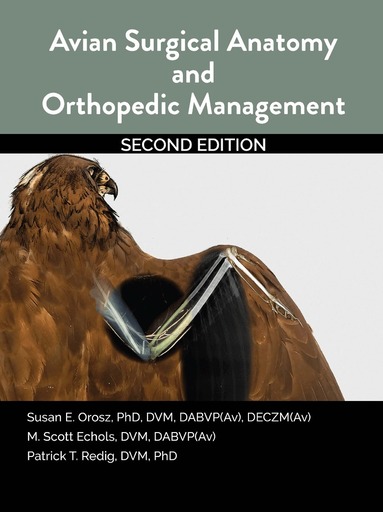
Avian Surgical Anatomy And Orthopedic Management, 2nd Edition
Susan Orosz, Scott Echols, Patrick Redig
Häftad, 2023
1 379 kr
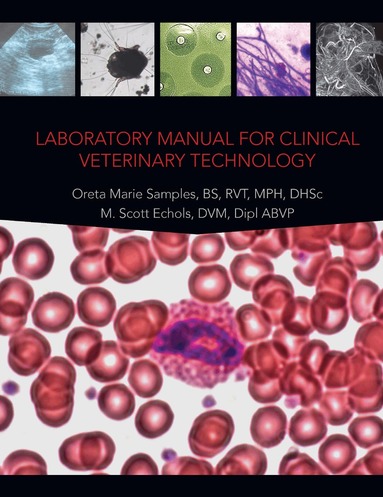
Laboratory Manual for Clinical Veterinary Technology
Oreta Marie Samples, M. Scott Echols
Häftad, 2022
1 129 kr