
God
Eight Enduring Questions
Häftad, Engelska, 2022
399 kr
Beställningsvara. Skickas inom 5-8 vardagar. Fri frakt för medlemmar vid köp för minst 249 kr.
Finns i fler format (1)
This book explores a wide range of philosophical issues in their connection with theism, including views of free will, ethical theories, theories of mind, naturalism, and karma-plus-reincarnation.In this clear and logical guide, C. Stephen Layman takes up eight important philosophical questions about God: Does God exist? Why does God permit evil? Why think God is good? Why is God hidden? What is God's relationship to ethics? Is divine foreknowledge compatible with human free will? Do humans have souls? Does reincarnation provide the best explanation of suffering? Based on more than thirty years of experience in teaching undergraduates and in leading philosophical discussions related to God, Layman has arranged the text to deal with each of these eight questions in one or two chapters apiece.Many philosophical works take up questions about God, but the chapters of this book plunge the reader very quickly into the arguments relevant to each question. Layman presents the arguments cogently and simply, yet without oversimplifying the issues. The book emphasizes strengths and weaknesses of both theism and its metaphysical rivals. Readers will gain a clearer understanding of theism and naturalism, and of their sometimes surprising implications. The book can be used as a text in philosophy of religion and introductory philosophy courses. Professional philosophers will find significant, novel arguments in many of the chapters.
Produktinformation
- Utgivningsdatum2022-03-01
- Mått152 x 229 x 17 mm
- Vikt452 g
- FormatHäftad
- SpråkEngelska
- Antal sidor310
- FörlagUniversity of Notre Dame Press
- ISBN9780268202064
Tillhör följande kategorier
Hoppa över listan
Mer från samma författare
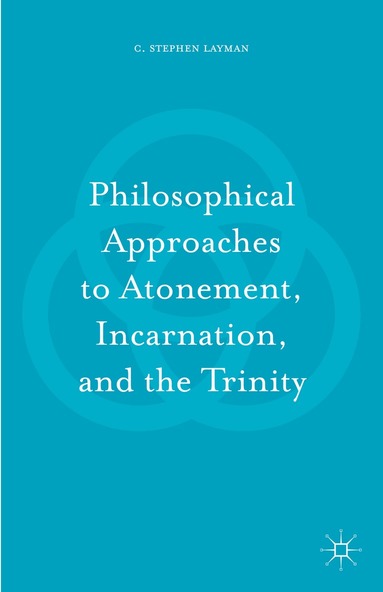
Philosophical Approaches to Atonement, Incarnation, and the Trinity
C. Stephen Layman
Inbunden, 2016
1 299 kr
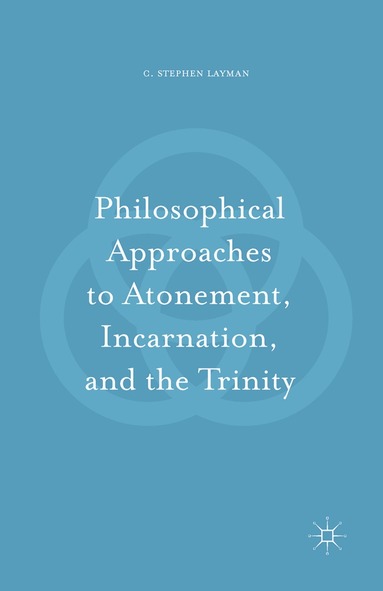
Philosophical Approaches to Atonement, Incarnation, and the Trinity
C. Stephen Layman
Häftad, 2018
1 299 kr
Hoppa över listan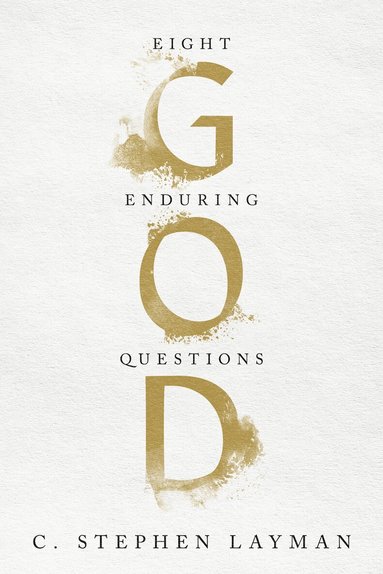
Du kanske också är intresserad av
Philosophical Approaches to Atonement, Incarnation, and the Trinity
C. Stephen Layman
Häftad, 2018
1 299 kr
Philosophical Approaches to Atonement, Incarnation, and the Trinity
C. Stephen Layman
Inbunden, 2016
1 299 kr
- Nyhet