
Global History of Co-operative Business
Häftad, Engelska, 2018
869 kr
Beställningsvara. Skickas inom 10-15 vardagar. Fri frakt för medlemmar vid köp för minst 249 kr.
Finns i fler format (1)
Co-operatives provide a different approach to organizing business through their ideals of member ownership and democratic practice. Every co-operative member has an equal vote regardless of his or her own personal capital investment. The contemporary significance of co-operatives was highlighted by the United Nations declaration of 2012 as the International Year of Co-operatives. This book provides an international perspective on the development of co-operatives since the mid-nineteenth century, exploring the economic, political, and social factors that explain their varying fortunes and transformation into different forms. By looking at what co-operatives are; how they have changed; the developments as well as the persecutions of the co-operative movement; and how it is an important force in promoting development and self-sufficiency in non-industrialized areas, this book provides valuable insight not only to academics, but also to practitioners and policy makers.
Produktinformation
- Utgivningsdatum2018-04-19
- Mått156 x 234 x 14 mm
- Vikt390 g
- FormatHäftad
- SpråkEngelska
- Antal sidor248
- FörlagTaylor & Francis Ltd
- ISBN9781138191495
Tillhör följande kategorier
Hoppa över listan


Mer från samma författare
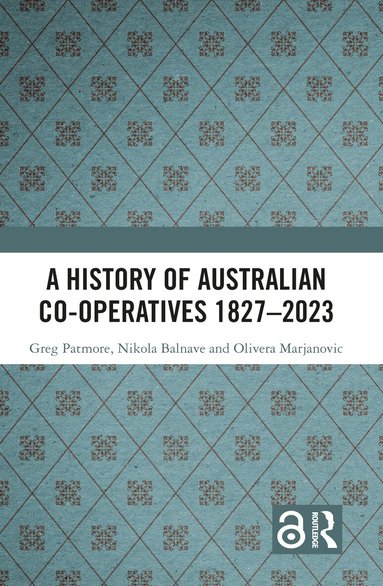
History of Australian Co-operatives 1827–2023
Greg Patmore, Nikola Balnave, Olivera Marjanovic
Inbunden, 2024
3 379 kr
History of Australian Co-operatives 1827–2023
Greg Patmore, Nikola Balnave, Olivera Marjanovic
Häftad, 2025
949 kr
Del 5
Hoppa över listan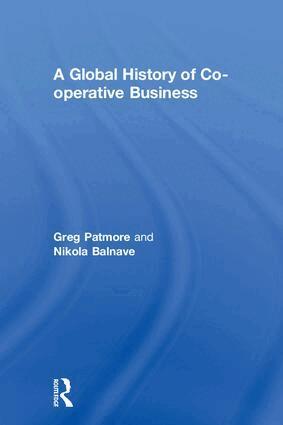
Du kanske också är intresserad av
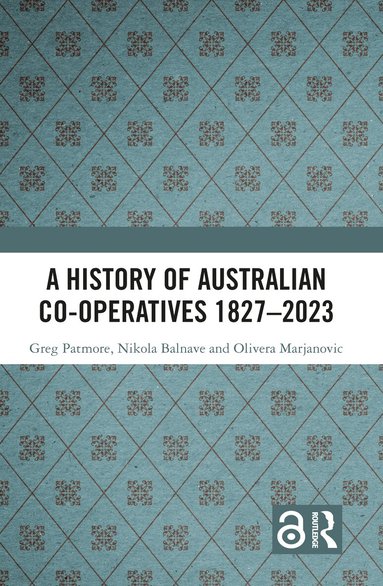
History of Australian Co-operatives 1827–2023
Greg Patmore, Nikola Balnave, Olivera Marjanovic
Inbunden, 2024
3 379 kr
History of Australian Co-operatives 1827–2023
Greg Patmore, Nikola Balnave, Olivera Marjanovic
Häftad, 2025
949 kr
Del 5