
Del i serien Pitt Latin American Series
Fields of Revolution
Agrarian Reform and Rural State Formation in Bolivia, 1935-1964
Inbunden, Engelska, 2021
1 039 kr
Beställningsvara. Skickas inom 5-8 vardagar. Fri frakt för medlemmar vid köp för minst 249 kr.
Winner, 2023 CLAH Susan Socolow-Lyman Johnson Book PrizeFields of Revolution examines the second largest case of peasant land redistribution in Latin America and agrarian reform—arguably the most important policy to arise out of Bolivia’s 1952 revolution. Competing understandings of agrarian reform shaped ideas of property, productivity, welfare, and justice. Peasants embraced the nationalist slogan of “land for those who work it” and rehabilitated national union structures. Indigenous communities proclaimed instead “land to its original owners” and sought to link the ruling party discourse on nationalism with their own long-standing demands for restitution. Landowners, for their part, embraced the principle of “land for those who improve it” to protect at least portions of their former properties from expropriation. Carmen Soliz combines analysis of governmental policies and national discourse with everyday local actors’ struggles and interactions with the state to draw out the deep connections between land and people as a material reality and as the object of political contention in the period surrounding the revolution.
Produktinformation
- Utgivningsdatum2021-04-20
- Mått152 x 229 x 29 mm
- Vikt560 g
- FormatInbunden
- SpråkEngelska
- SeriePitt Latin American Series
- Antal sidor280
- FörlagUniversity of Pittsburgh Press
- ISBN9780822946656
Tillhör följande kategorier
Hoppa över listan



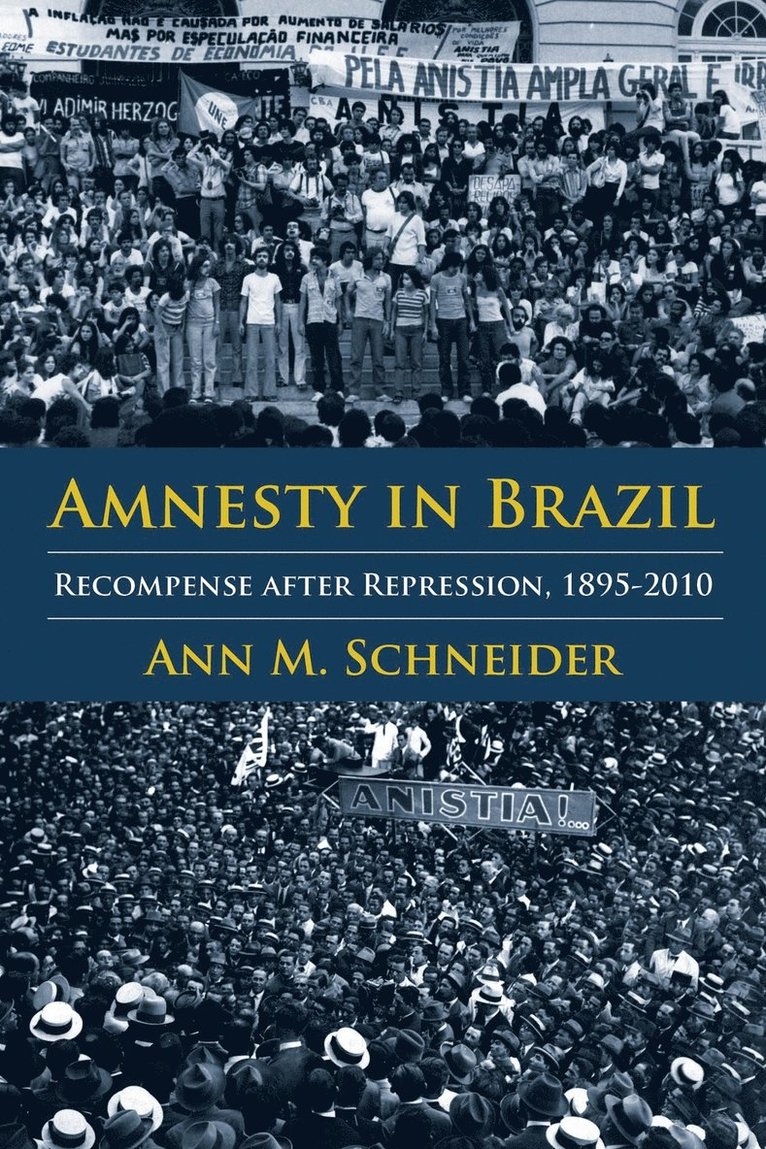

Mer från samma serie
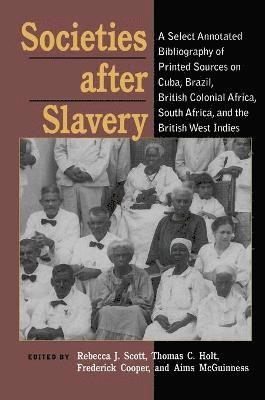
Societies After Slavery
Rebecca J. Scott, Thomas Holt, Frederick Cooper, Aims McGuinness
Häftad, 2004
1 069 kr
Hoppa över listan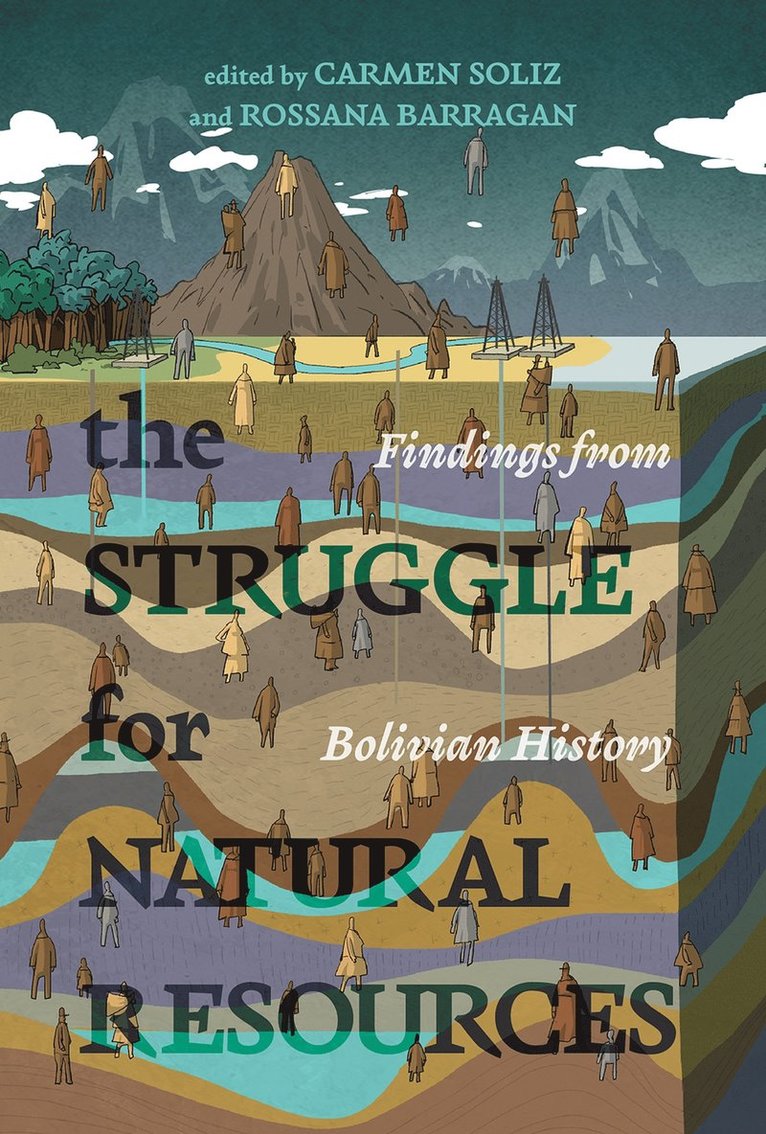
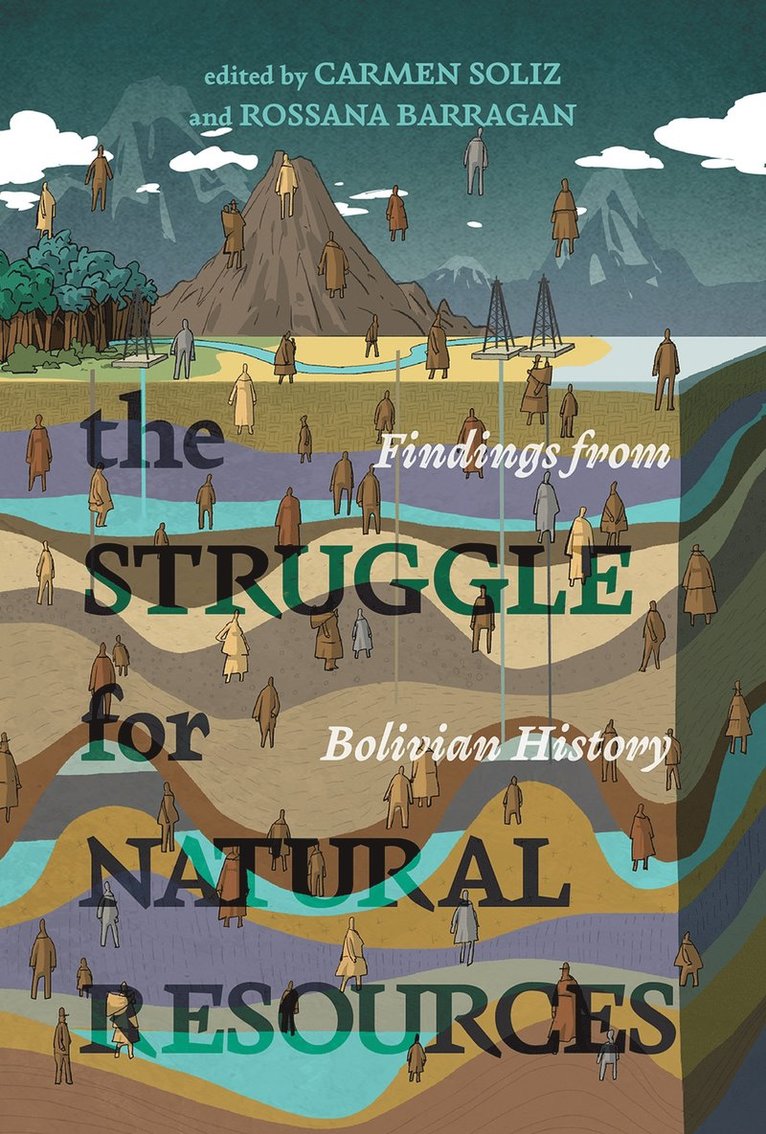








Du kanske också är intresserad av
- Nyhet
Del 4
- Nyhet
Del 11
- Nyhet
Del 3
- Nyhet
Del 1
Del 1
- Nyhet
Del 6
Del 3
Del 7