
Del i serien Urban Life, Landscape and Policy
Environmental Activism and the Urban Crisis
Baltimore, St. Louis, Chicago
Inbunden, Engelska, 2014
959 kr
Beställningsvara. Skickas inom 5-8 vardagar. Fri frakt för medlemmar vid köp för minst 249 kr.
Finns i fler format (1)
Environmental Activism and the Urban Crisis focuses on the wave of environmental activism and grassroots movements that swept through America's older, industrial cities during the late 1960s and early 1970s. Robert Gioielli offers incisive case studies of Baltimore, St. Louis, and Chicago to show how urban activism developed as an impassioned response to a host of racial, social, and political conflicts. As deindustrialization, urban renewal, and suburbanization caused the decline of the urban environment, residents--primarily African Americans and working-class whites--organized to protect their families and communities from health threats and environmental destruction. Gioielli examines various groups' activism in response to specific environmental problems caused by the urban crisis in each city. In doing so, he forms concrete connections between environmentalism, the African American freedom struggle, and various urban social movements such as highway protests in Baltimore and air pollution activism in Chicago. Eventually, the efforts of these activists paved the way for the emergence of a new movement-environmental justice.
Produktinformation
- Utgivningsdatum2014-05-16
- Mått152 x 229 x 18 mm
- Vikt440 g
- FormatInbunden
- SpråkEngelska
- SerieUrban Life, Landscape and Policy
- Antal sidor224
- FörlagTemple University Press,U.S.
- ISBN9781439904657
Tillhör följande kategorier
Hoppa över listan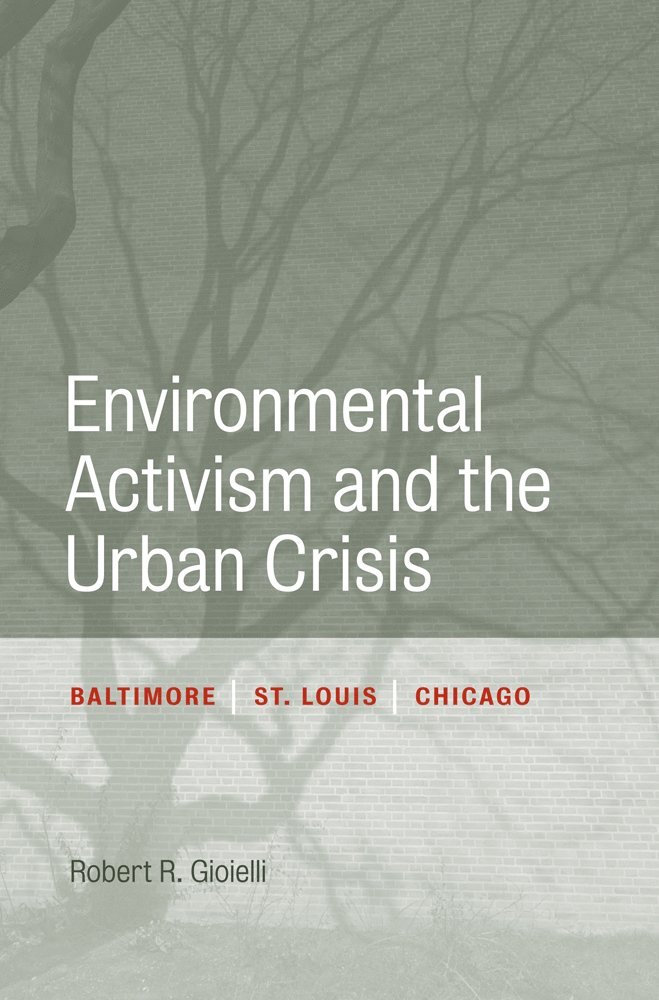








Du kanske också är intresserad av
- Nyhet
Del 4
Del 3
- Nyhet
- Nyhet
Del 6
Del 1
Del 7
Del 2
- Nyhet
Del 11