
Enacting Research Methods in Information Systems: Volume 3
Häftad, Engelska, 2018
1 489 kr
Beställningsvara. Skickas inom 10-15 vardagar. Fri frakt för medlemmar vid köp för minst 249 kr.
Finns i fler format (1)
This edited three volume edition brings together significant papers previously published in the Journal of information Technology (JIT) over its 30 year publication history. The three volumes of Enacting Research Methods in Information Systems celebrate the methodological pluralism used to advance our understanding of information technology's role in the world today. In addition to quantitative methods from the positivist tradition, JIT also values methodological articles from critical research perspectives, interpretive traditions, historical perspectives, grounded theory, and action research and design science approaches.Volume 1 covers Critical Research, Grounded Theory, and Historical Approaches. Volume 2 deals with Interpretive Approaches and also explores Action Research. Volume 3 focuses on Design Science Approaches and discusses Alternative Approaches including Semiotics Research, Complexity Theory and Gender in IS Research.The Journal of Information Technology (JIT) was started in 1986 by Professors Frank Land and Igor Aleksander with the aim of bringing technology and management together and bridging the ‘great divide’ between the two disciplines. The Journal was created with the vision of making the impact of complex interactions and developments in technology more accessible to a wider audience. Retaining this initial focus, the JIT has gone on to extend into new and innovative areas of research such as the launch of JITTC in 2010. A high impact journal, JIT shall continue to publish leading trends based on significant research in the field.
Produktinformation
- Utgivningsdatum2018-05-27
- Mått140 x 216 x 18 mm
- Vikt405 g
- FormatHäftad
- SpråkEngelska
- Antal sidor308
- FörlagSpringer International Publishing AG
- ISBN9783319805276
Tillhör följande kategorier
Hoppa över listan




Mer från samma författare
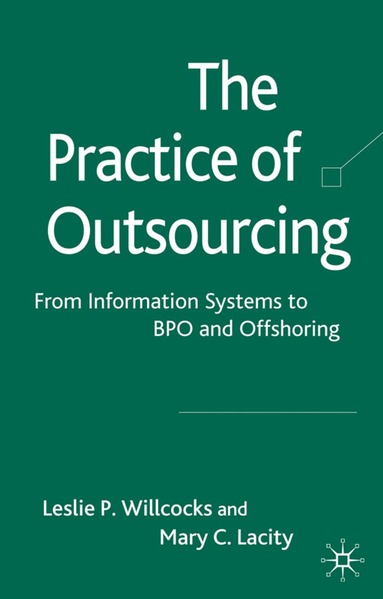
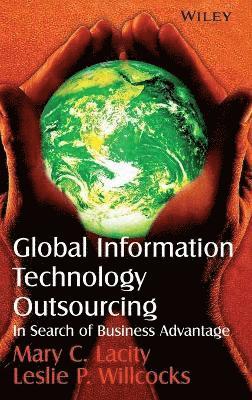
Practice of Outsourcing
Mary C. Lacity, Leslie P. Willcocks, Leslie P. Willcocks
Inbunden, 2009
1 479 kr
China's Emerging Outsourcing Capabilities
Leslie P. Willcocks, Mary C. Lacity, Yingqin Zheng
Inbunden, 2010
1 439 kr
Handbook of Global Outsourcing and Offshoring
Julia Kotlarsky, Ilan Oshri, Leslie P. Willcocks
Inbunden, 2011
749 kr
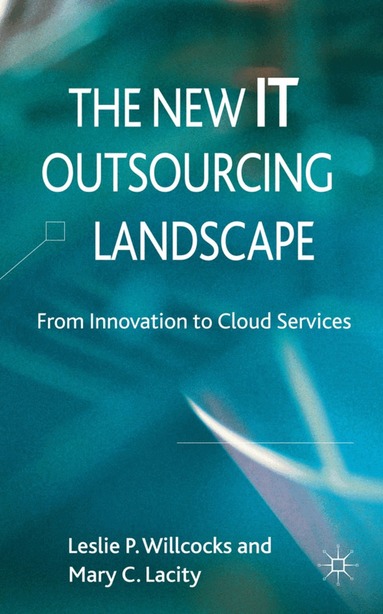
New IT Outsourcing Landscape
Professor Willcocks, Leslie P., Professor Lacity, Mary C., Leslie P. Willcocks, Mary C. Lacity
Inbunden, 2012
1 479 kr
Del 35
Del 32
Social Theory and Philosophy for Information Systems
Mingers, Willcocks, John Mingers, Leslie P. Willcocks
Inbunden, 2004
1 339 kr
Beyond the IT Productivity Paradox
Stephanie Lester, Leslie P. Willcocks, Stephanie Lester
Inbunden, 1999
1 339 kr
Hoppa över listan

Du kanske också är intresserad av
Enacting Research Methods in Information Systems: Volume 3
Leslie P. Willcocks, Chris Sauer, Mary C. Lacity
Inbunden, 2016
1 479 kr
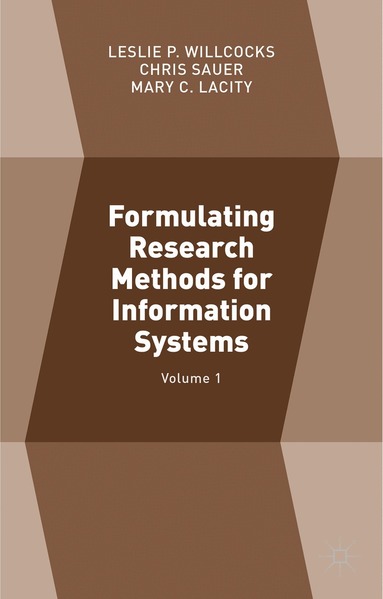
Formulating Research Methods for Information Systems
Chris Sauer, Leslie P. Willcocks, Mary C. Lacity
Inbunden, 2015
1 479 kr
Enacting Research Methods in Information Systems: Volume 2
Leslie P. Willcocks, Chris Sauer, Mary C. Lacity
Häftad, 2018
1 489 kr
Outsourcing and Offshoring Business Services
Leslie P. Willcocks, Mary C. Lacity, Chris Sauer
Häftad, 2018
2 369 kr
Enacting Research Methods in Information Systems: Volume 1
Leslie P. Willcocks, Chris Sauer, Mary C. Lacity
Inbunden, 2016
1 479 kr
Enacting Research Methods in Information Systems: Volume 2
Leslie P. Willcocks, Chris Sauer, Mary C. Lacity
Inbunden, 2016
1 479 kr
Formulating Research Methods for Information Systems
Chris Sauer, Leslie P. Willcocks, Mary C. Lacity
Inbunden, 2015
1 479 kr
Outsourcing and Offshoring Business Services
Leslie P. Willcocks, Mary C. Lacity, Chris Sauer
Inbunden, 2017
2 369 kr
Enacting Research Methods in Information Systems: Volume 1
Leslie P. Willcocks, Chris Sauer, Mary C. Lacity
Häftad, 2018
1 489 kr
New IT Outsourcing Landscape
Professor Willcocks, Leslie P., Professor Lacity, Mary C., Leslie P. Willcocks, Mary C. Lacity
Inbunden, 2012
1 479 kr