
Del i serien Politics and Culture in Modern America
Employee
A Political History
Häftad, Engelska, 2020
509 kr
Beställningsvara. Skickas inom 5-8 vardagar. Fri frakt för medlemmar vid köp för minst 249 kr.
Finns i fler format (1)
A political, legal, intellectual, and social history of employment in AmericaIn the present age of temp work, telecommuting, and outsourcing, millions of workers in the United States find themselves excluded from the category of "employee"-a crucial distinction that would otherwise permit unionization and collective bargaining. Tracing the history of the term since its entry into the public lexicon in the nineteenth century, Jean-Christian Vinel demonstrates that the legal definition of "employee" has always been politically contested and deeply affected by competing claims on the part of business and labor. Unique in the Western world, American labor law is premised on the notion that "no man can serve two masters"-workers owe loyalty to their employer, which in many cases is incompatible with union membership.The Employee: A Political History historicizes this American exception to international standards of rights and liberties at work, revealing a little known part of the business struggle against the New Deal. Early on, progressives and liberals developed a labor regime that, intending to restore amicable relations between employer and employee, sought to include as many workers as possible in the latter category. But in the 1940s this language of social harmony met with increasing resistance from businessmen, who pressed their interests in Congress and the federal courts, pushing for an ever-narrower definition of "employee" that excluded groups such as foremen, supervisors, and knowledge workers. A cultural and political history of American business and law, The Employee sheds historical light on contemporary struggles for economic democracy and political power in the workplace.
Produktinformation
- Utgivningsdatum2020-04-03
- Mått152 x 229 x 20 mm
- Vikt431 g
- FormatHäftad
- SpråkEngelska
- SeriePolitics and Culture in Modern America
- Antal sidor304
- FörlagUniversity of Pennsylvania Press
- ISBN9780812224689
Tillhör följande kategorier
Hoppa över listan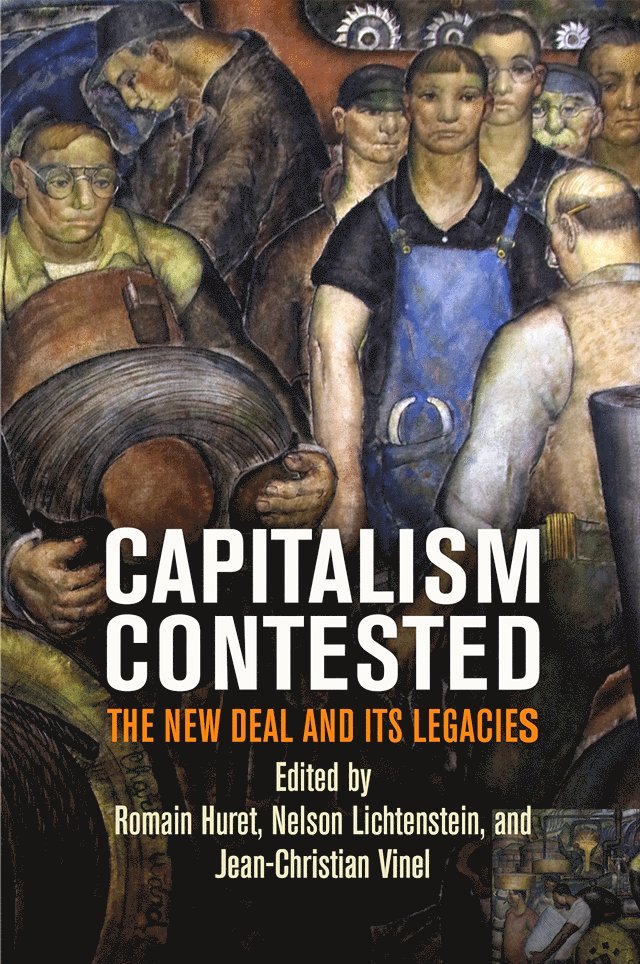

Mer från samma författare
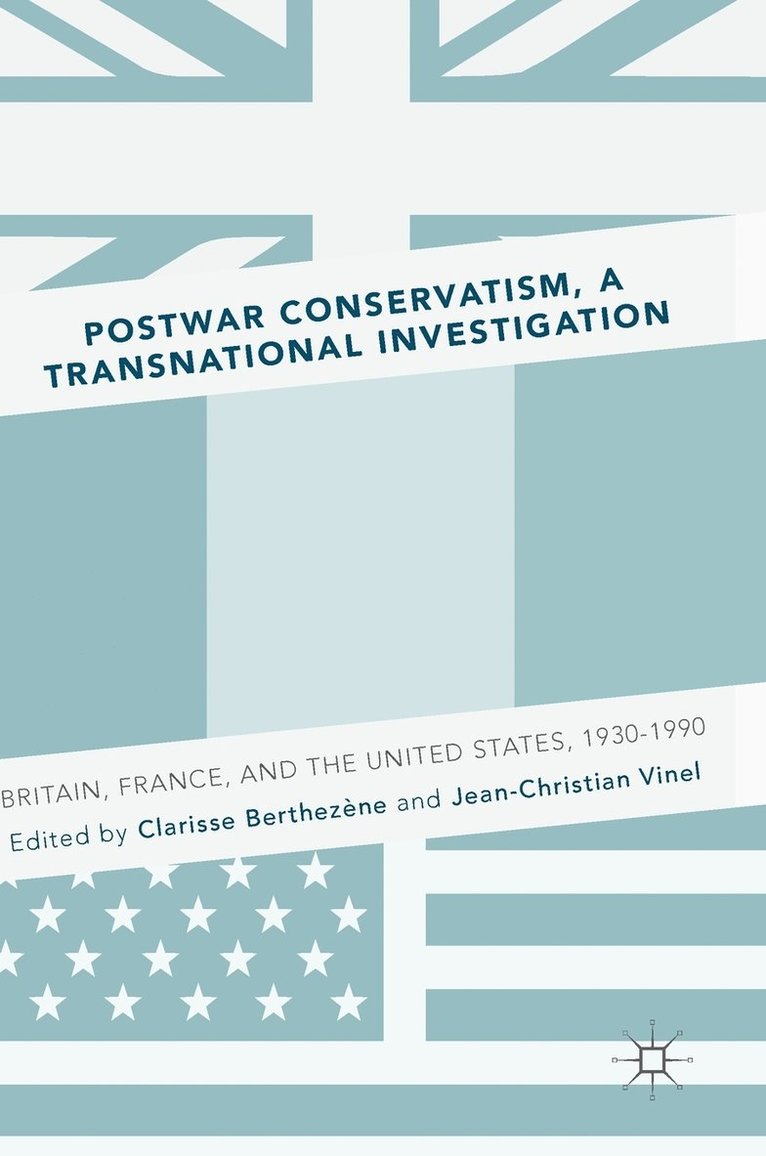
Postwar Conservatism, A Transnational Investigation
Clarisse Berthezène, Jean-Christian Vinel
Inbunden, 2017
1 329 kr
Postwar Conservatism, A Transnational Investigation
Clarisse Berthezène, Jean-Christian Vinel
Häftad, 2018
1 329 kr
Hoppa över listan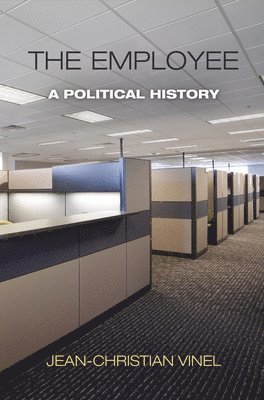





Du kanske också är intresserad av
Postwar Conservatism, A Transnational Investigation
Clarisse Berthezène, Jean-Christian Vinel
Inbunden, 2017
1 329 kr
Postwar Conservatism, A Transnational Investigation
Clarisse Berthezène, Jean-Christian Vinel
Häftad, 2018
1 329 kr
- Nyhet
Del 3
- Nyhet
Del 11
- Nyhet
- Nyhet
- Nyhet
Del 6
- Nyhet