
Del 2
Del i serien Studies in Rhetoric and Culture
Culture, Rhetoric and the Vicissitudes of Life
Häftad, Engelska, 2012
579 kr
Beställningsvara. Skickas inom 5-8 vardagar. Fri frakt för medlemmar vid köp för minst 249 kr.
Inspired by the Rhetoric Culture Project, this volume focuses on the use of imagery, narrative, and cultural schemes to deal with predicaments that arise during the course of life. The contributors explore how people muster their resources to understand and deal with emergencies such as illness, displacement, or genocide. In dealing with such circumstances, people can develop new rhetorical forms and, in the process, establish new cultural resources for succeeding generations. Several of the contributions show how rhetorical cultural forms can themselves create emergencies. The contributors bring expertise from a variety of disciplines, including anthropology and communications studies, underlining the volume’s wider relevance as a reflection on the human condition.
Produktinformation
- Utgivningsdatum2012-07-01
- Mått152 x 229 x 11 mm
- Vikt272 g
- FormatHäftad
- SpråkEngelska
- SerieStudies in Rhetoric and Culture
- Antal sidor196
- FörlagBerghahn Books
- ISBN9780857458001
Tillhör följande kategorier
Hoppa över listan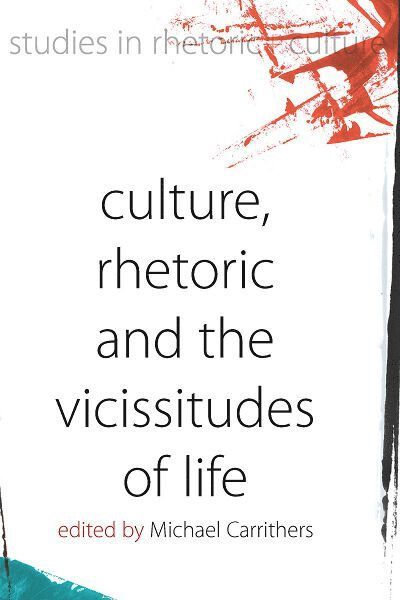




Du kanske också är intresserad av
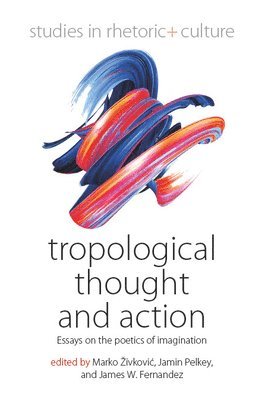
Tropological Thought and Action
Marko Živković, Jamin Pelkey, James W. Fernandez
Inbunden, 2021
2 419 kr
Del 3