
Del i serien Critical Theory and Contemporary Society
Critical Theory and Independent Living
Inbunden, Engelska, 2024
1 539 kr
Beställningsvara. Skickas inom 5-8 vardagar. Fri frakt för medlemmar vid köp för minst 249 kr.
Critical theory and Independent Living explores intersections between contemporary critical theory and disabled people’s struggle for self-determination. The book highlights the affinities between the Independent Living movement and studies of epistemic injustice, biopower, and psychopower. It discusses in depth the activists’ critical engagement with welfare-state paternalism, neoliberal marketisation, and familialism. This helps develop a pioneering comparison between various welfare regimes grounded in Independent Living advocacy. The book draws on the activism of disabled people from the European Network on Independent Living (ENIL) by developing case studies of the ENIL’s campaigning for deinstitutionalisation and personal assistance. It is argued that this work helps rethink independence as a form of interdependence, and that this reframing is pivotal for critical theorising in the twenty-first century.
Produktinformation
- Utgivningsdatum2024-12-10
- Mått156 x 234 x 14 mm
- Vikt483 g
- FormatInbunden
- SpråkEngelska
- SerieCritical Theory and Contemporary Society
- Antal sidor216
- FörlagManchester University Press
- ISBN9781526175151
Tillhör följande kategorier
Hoppa över listan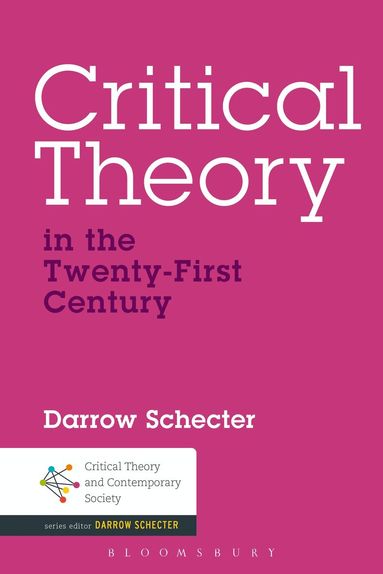
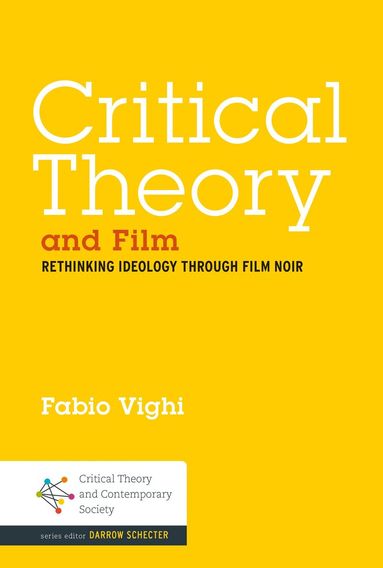
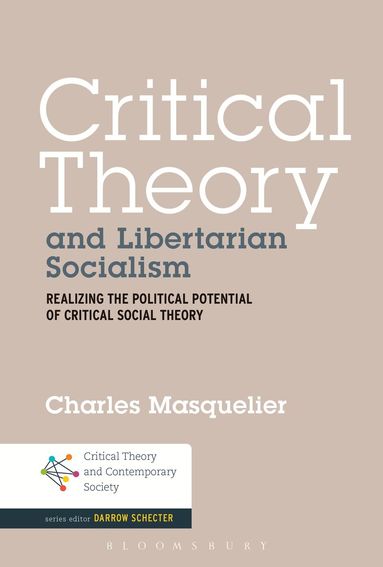
Mer från samma serie
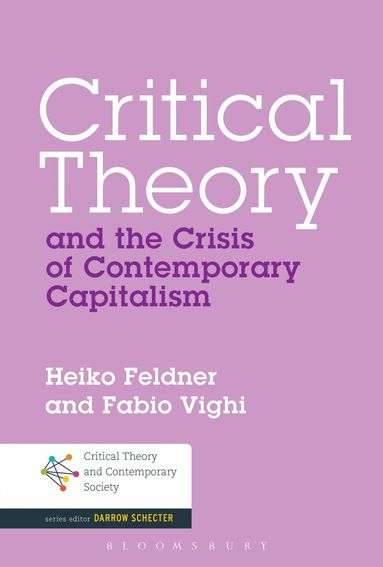
Critical Theory and the Crisis of Contemporary Capitalism
Heiko Feldner, Fabio Vighi
Inbunden, 2015
2 559 kr
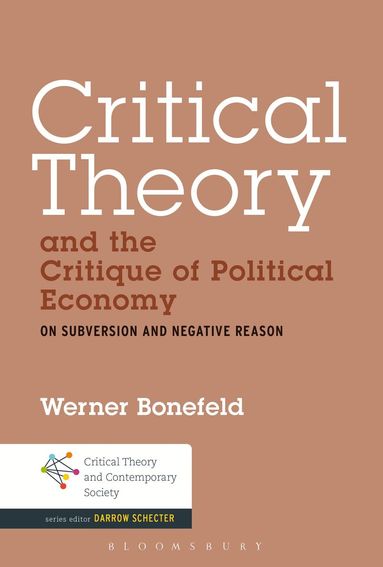
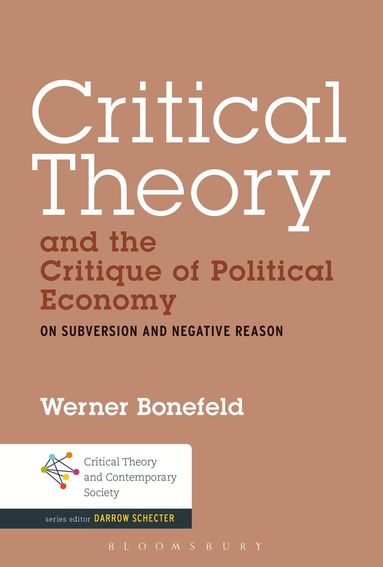
Critical Theory and the Critique of Political Economy
Werner Bonefeld, Darrow Schecter
Häftad, 2016
719 kr