
Del i serien Vitality of Indigenous Religions
Cosmology and Moral Community in the Lakota Sun Dance
Reconceptualizing J. R. Walker's Account
Häftad, Engelska, 2023
829 kr
Beställningsvara. Skickas inom 10-15 vardagar. Fri frakt för medlemmar vid köp för minst 249 kr.
Finns i fler format (1)
Drawing on Indigenous methodologies, this book uses a close analysis of James R. Walker’s 1917 monograph on the Lakota Sun Dance to explore how the Sun Dance communal ritual complex – the most important Lakota ceremony – creates moral community, providing insights into the cosmology and worldview of Lakota tradition.The book uses Walker’s primary source to conduct a reading of the Sun Dance in its nineteenth-century context through the lenses of Lakota metaphysics, cosmology, ontology, and ethics. The author argues that the Sun Dance constitutes a cosmic ethical drama in which persons of all types – human and nonhuman – come together in reciprocal actions and relationships. Drawing on contemporary animist theory and a perspectivist approach that uses Lakota worldview assumptions as the basis for analysis, the book enables a richer understanding of the Sun Dance and its role in the Lakota moral world.Offering a nuanced understanding that centers Lakota views of the sacred, this book will be relevant to scholars of religion and animism, and all those interested in Native American cultures and lifeways.
Produktinformation
- Utgivningsdatum2023-09-25
- Mått156 x 234 x 8 mm
- Vikt453 g
- FormatHäftad
- SpråkEngelska
- SerieVitality of Indigenous Religions
- Antal sidor144
- FörlagTaylor & Francis Ltd
- ISBN9780367748807
Tillhör följande kategorier
Hoppa över listan






Mer från samma serie
Religion and Non-Religion among Australian Aboriginal Peoples
James L. Cox, Adam Possamai
Häftad, 2019
899 kr
Hoppa över listan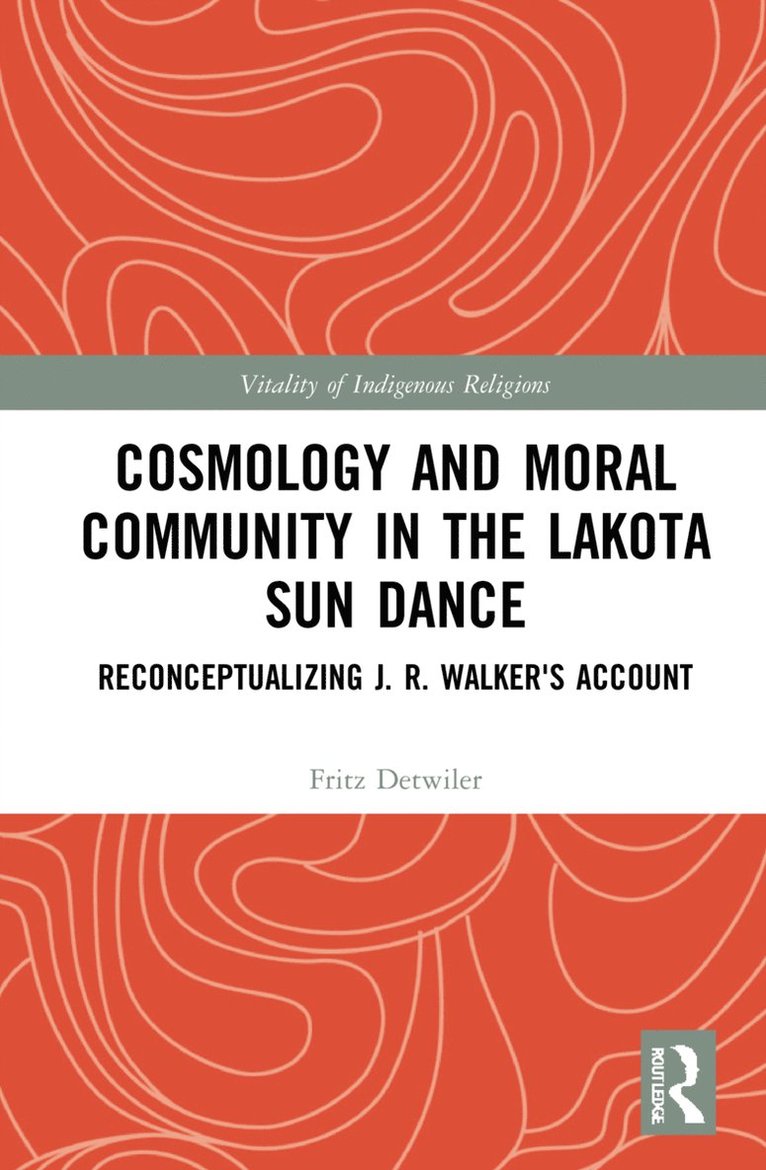





Du kanske också är intresserad av
African Traditions in the Study of Religion in Africa
Ezra Chitando, Afe Adogame
Inbunden, 2012
3 509 kr
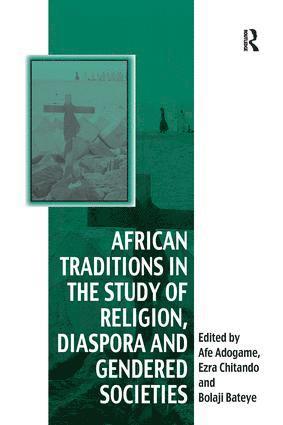
African Traditions in the Study of Religion, Diaspora and Gendered Societies
Ezra Chitando, Afe Adogame
Häftad, 2017
1 109 kr
Blackfoot Religion and the Consequences of Cultural Commoditization
Kenneth Hayes Lokensgard
Häftad, 2016
1 189 kr
Blackfoot Religion and the Consequences of Cultural Commoditization
Kenneth Hayes Lokensgard
Inbunden, 2010
3 209 kr