
'Boredom is the Enemy'
The Intellectual and Imaginative Lives of Australian Soldiers in the Great War and Beyond
Inbunden, Engelska, 2012
4 329 kr
Beställningsvara. Skickas inom 5-8 vardagar. Fri frakt för medlemmar vid köp för minst 249 kr.
Finns i fler format (1)
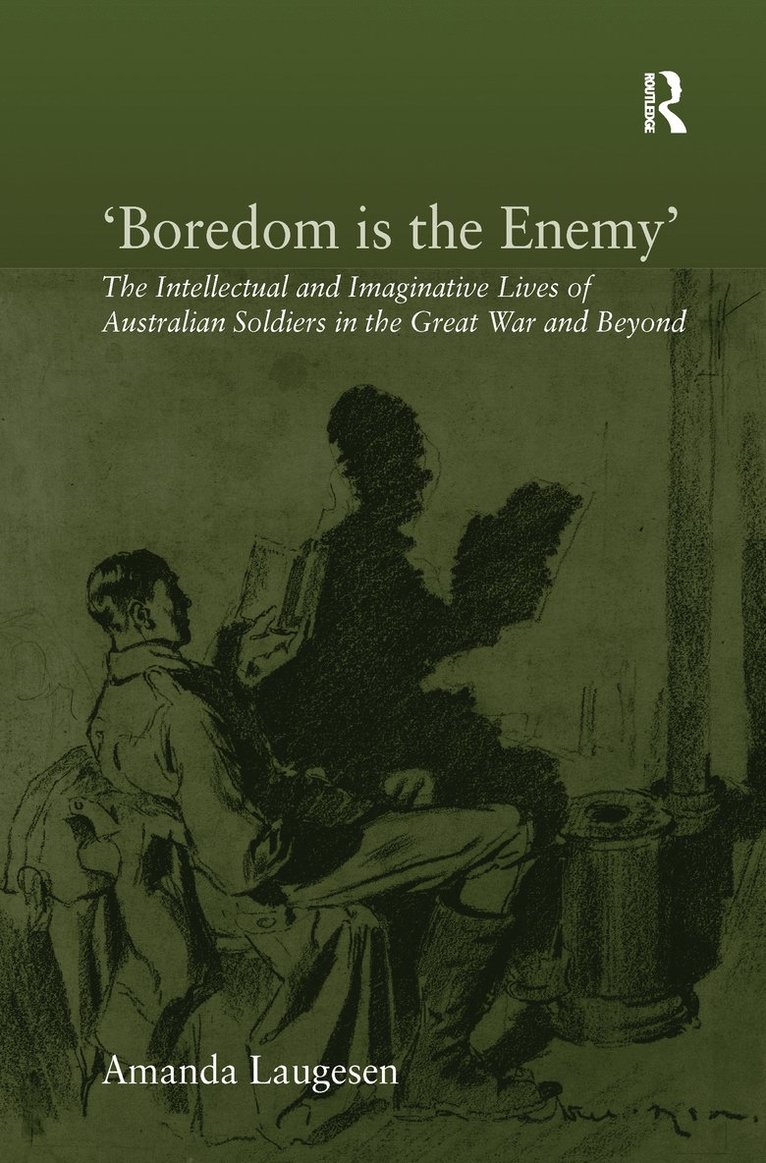
War is often characterised as one percent terror, 99 per cent boredom. Whilst much ink has been spilt on the one per cent, relatively little work has been directed toward the other 99 per cent of a soldier's time. As such, this book will be welcomed by those seeking a fuller understanding of what makes soldiers endure war, and how they cope with prolonged periods of inaction. It explores the issue of military boredom and investigates how soldiers spent their time when not engaged in battle, work or training through a study of their creative, imaginative and intellectual lives. It examines the efforts of military authorities to provide solutions to military boredom (and the problem of discipline and morale) through the provisioning of entertainment and education, but more importantly explores the ways in which soldiers responded to such efforts, arguing that soldiers used entertainment and education in ways that suited them. The focus in the book is on Australians and their experiences, primarily during the First World War, but with subsequent chapters taking the story through the Second World War to the Vietnam War. This focus on a single national group allows questions to be raised about what might (or might not) be exceptional about the experiences of a particular national group, and the ways national identity can shape an individual's relationship and engagement with education and entertainment. It can also suggest the continuities and changes in these experiences through the course of three wars. The story of Australians at war illuminates a much broader story of the experience of war and people's responses to war in the twentieth century.
Produktinformation
- Utgivningsdatum2012-01-28
- Mått156 x 234 x 26 mm
- Vikt750 g
- FormatInbunden
- SpråkEngelska
- Antal sidor320
- FörlagTaylor & Francis Ltd
- ISBN9781409427322
Tillhör följande kategorier
Hoppa över listan
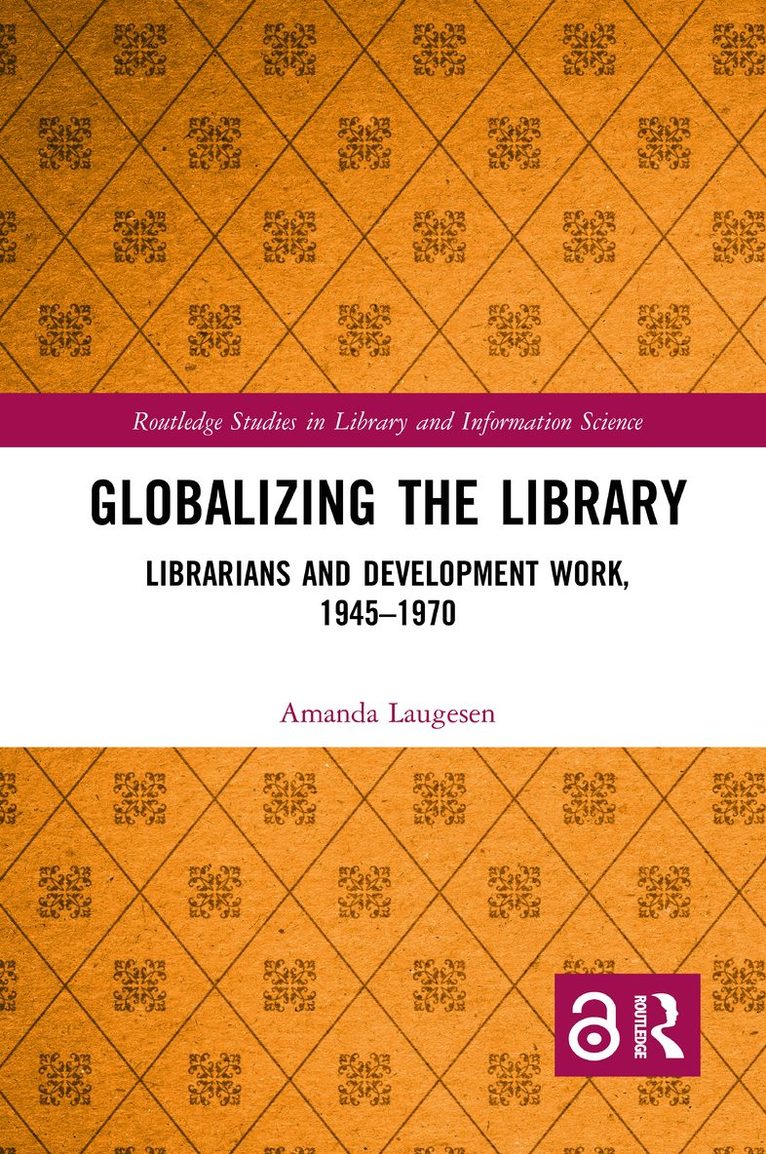
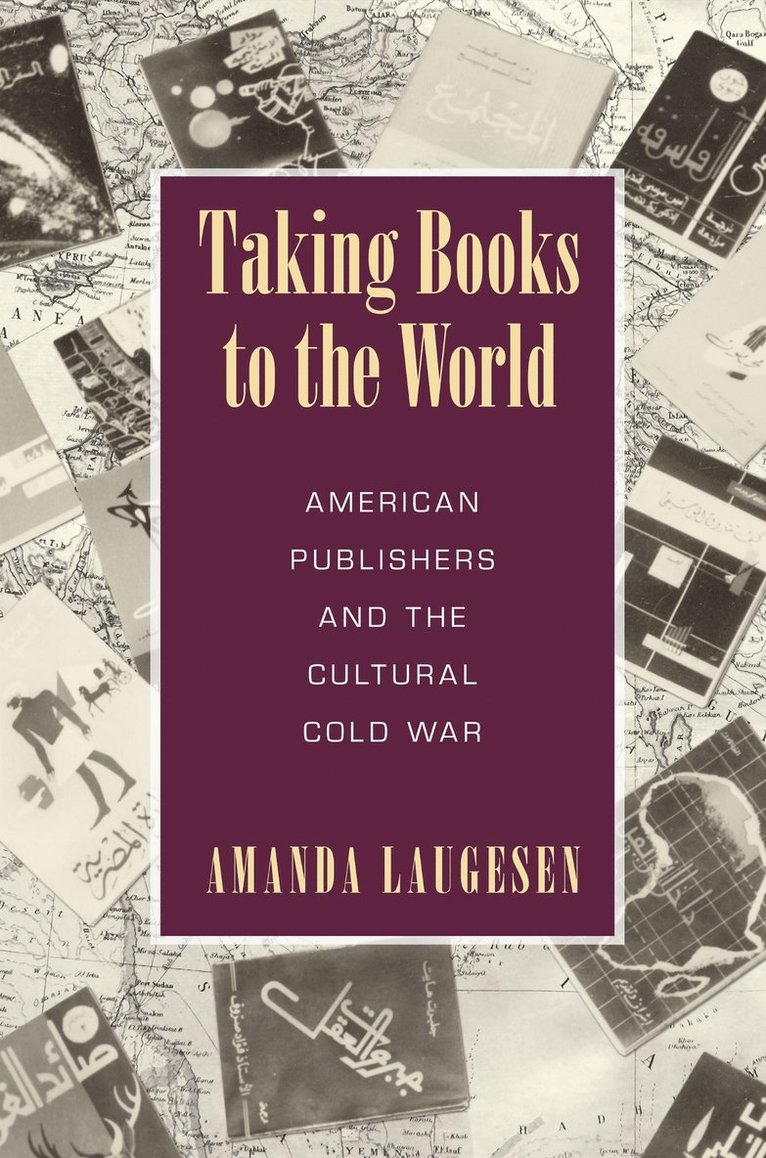

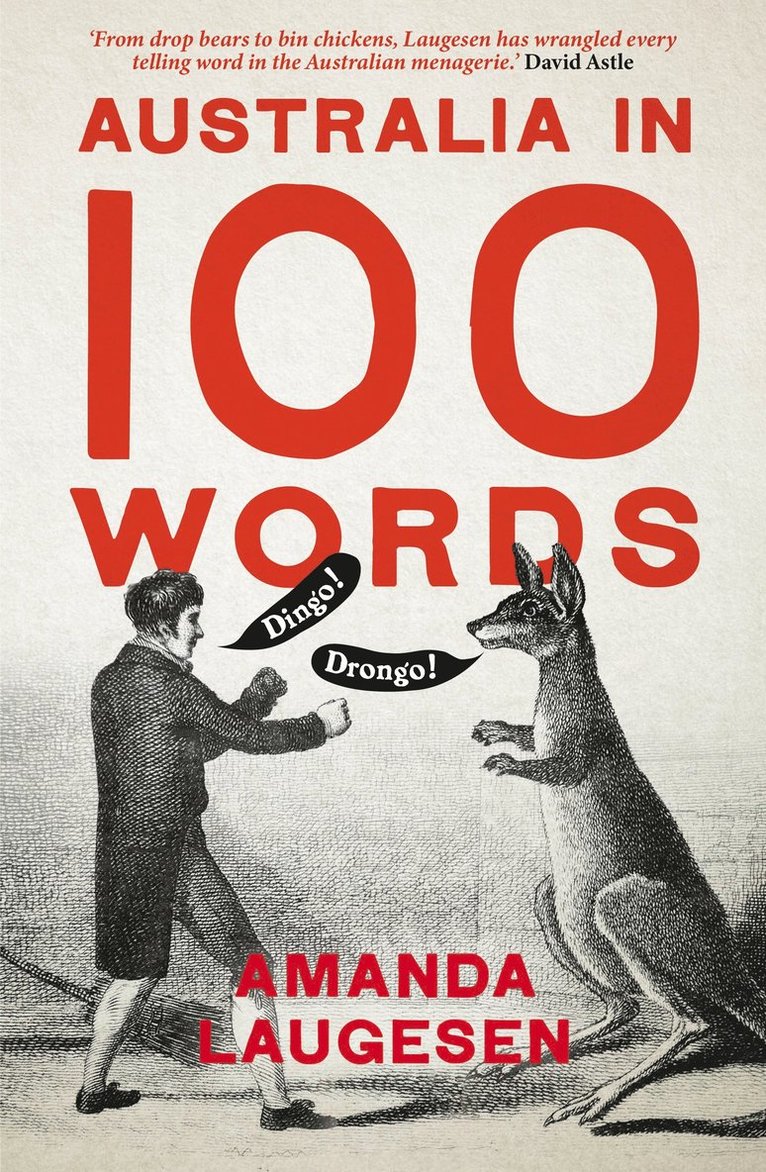

Mer från samma författare
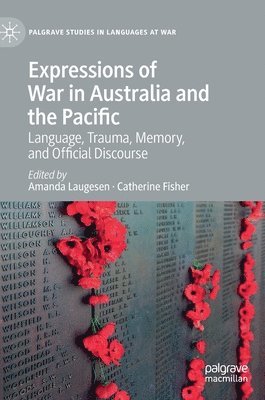
Expressions of War in Australia and the Pacific
Amanda Laugesen, Catherine Fisher
Inbunden, 2019
1 479 kr
Expressions of War in Australia and the Pacific
Amanda Laugesen, Catherine Fisher
Häftad, 2020
1 479 kr
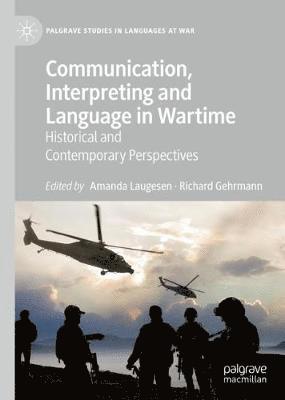
Communication, Interpreting and Language in Wartime
Amanda Laugesen, Richard Gehrmann
Inbunden, 2019
2 069 kr
Hoppa över listan



Du kanske också är intresserad av
Del 36
FP Equities: Preferreds & Derivatives 2025: Includes Free Online Access
Grey House Canada
Häftad, 2025
4 329 kr
Del 6
Del 41
Le Officine Pittoriche Di IV Stile a Pompei: Dinamiche Produttive Ed Economico-Sociali
Domenico Esposito
Häftad
4 329 kr