
Del 117
Bloom
The Botanical Vernacular in the English Novel
Häftad, Engelska, 2007
1 279 kr
Beställningsvara. Skickas inom 5-8 vardagar. Fri frakt för medlemmar vid köp för minst 249 kr.
Finns i fler format (1)
Starting from the botanical craze inspired by Linnaeus in the eighteenth century, and exploring the variations it spawned - natural history, landscape architecture, polemical battles over botany's prurience - this study offers a fresh, detailed reading of the courtship novel from Jane Austen to George Eliot and Henry James. By reanimating a cultural understanding of botany and sexuality that we have lost, it provides an entirely new and powerful account of the novel's role in scripting sexualised courtship, and illuminates how the novel and popular science together created a cultural figure, the blooming girl, that stood at the centre of both fictional and scientific worlds.
Produktinformation
- Utgivningsdatum2007-07-12
- Mått152 x 229 x 15 mm
- Vikt408 g
- FormatHäftad
- SpråkEngelska
- Antal sidor276
- FörlagOUP USA
- ISBN9780195339093
Tillhör följande kategorier
Hoppa över listan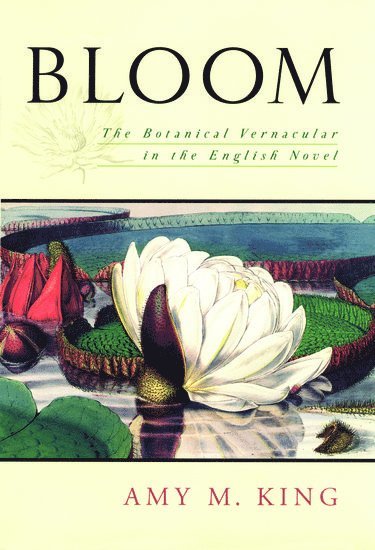





Du kanske också är intresserad av
Del 117
Del 117
- Nyhet
Del 11
- Nyhet
Del 3
Del 1
- Nyhet
Del 4
- Nyhet
- Nyhet