
Automating Crime Prevention, Surveillance, and Military Operations
Inbunden, Engelska, 2021
2 159 kr
Beställningsvara. Skickas inom 10-15 vardagar. Fri frakt för medlemmar vid köp för minst 249 kr.
Finns i fler format (1)
This interdisciplinary volume critically explores how the ever-increasing use of automated systems is changing policing, criminal justice systems, and military operations at the national and international level. The book examines the ways in which automated systems are beneficial to society, while addressing the risks they represent for human rights.This book starts with a historical overview of how different types of knowledge have transformed crime control and the security domain, comparing those epistemological shifts with the current shift caused by knowledge produced with high-tech information technology tools such as big data analytics, machine learning, and artificial intelligence. The first part explores the use of automated systems, such as predictive policing and platform policing, in law enforcement. The second part analyzes the use of automated systems, such as algorithms used in sentencing and parole decisions, in courts of law. The third part examines the useand misuse of automated systems for surveillance and social control. The fourth part discusses the use of lethal (semi)autonomous weapons systems in armed conflicts.An essential read for researchers, politicians, and advocates interested in the use and potential misuse of automated systems in crime control, this diverse volume draws expertise from such fields as criminology, law, sociology, philosophy, and anthropology.
Produktinformation
- Utgivningsdatum2021-08-20
- Mått155 x 235 x 20 mm
- Vikt565 g
- FormatInbunden
- SpråkEngelska
- Antal sidor248
- FörlagSpringer Nature Switzerland AG
- ISBN9783030732752
Tillhör följande kategorier
Hoppa över listan



Mer från samma författare
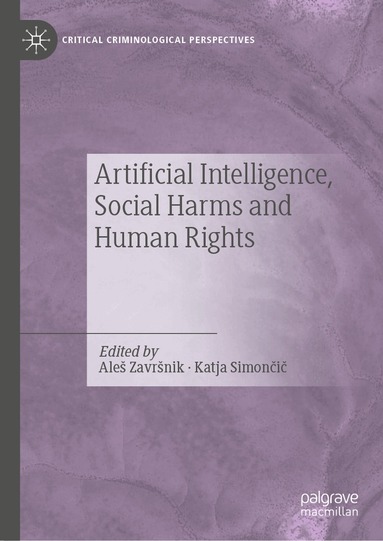
Artificial Intelligence, Social Harms and Human Rights
Aleš Završnik, Katja Simončič
Inbunden, 2023
2 009 kr
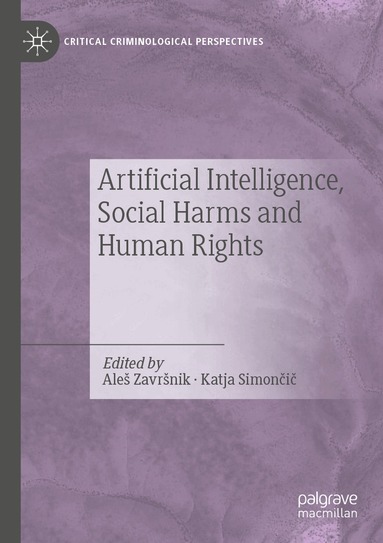
Artificial Intelligence, Social Harms and Human Rights
Aleš Završnik, Katja Simončič
Häftad, 2024
2 009 kr
Hoppa över listan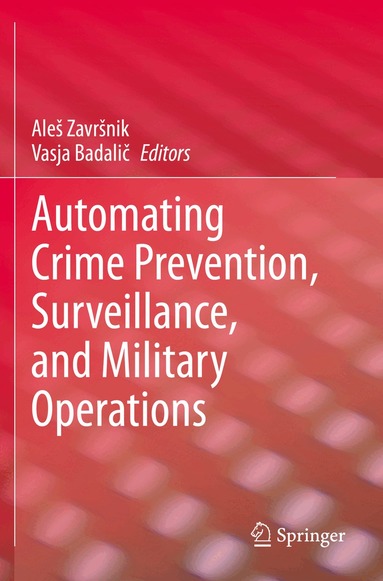




Du kanske också är intresserad av
Automating Crime Prevention, Surveillance, and Military Operations
Aleš Završnik, Vasja Badalič
Häftad, 2022
2 159 kr
Artificial Intelligence, Social Harms and Human Rights
Aleš Završnik, Katja Simončič
Inbunden, 2023
2 009 kr