
Del 14164
Art as Human Practice
An Aesthetics
Häftad, Engelska, 2019
479 kr
Beställningsvara. Skickas inom 10-15 vardagar. Fri frakt för medlemmar vid köp för minst 249 kr.
Finns i fler format (1)
How is art both distinct and different from the rest of human life, while also mattering in and for it? This central yet overlooked question in contemporary philosophy of art is at the heart of Georg Bertram's new aesthetic. Drawing on the resources of diverse philosophical traditions – analytic philosophy, French philosophy, and German post-Kantian philosophy – his book offers a systematic account of art as a human practice. One that remains connected to the whole of life.
Produktinformation
- Utgivningsdatum2019-01-10
- Mått138 x 214 x 20 mm
- Vikt320 g
- FormatHäftad
- SpråkEngelska
- Antal sidor256
- FörlagBloomsbury Publishing PLC
- ISBN9781350063150
- ÖversättareNathan Ross, Nathan (Oklahoma City University USA) Ross
Tillhör följande kategorier
Hoppa över listan








Mer från samma författare
Del 19413
Del 19443
Del 19521
Del 19674
"Wenn Gott nicht wäre ...". Religion und Versöhnung
Georg Wilhelm Friedrich Hegel, Tobias Wieland, Georg W. Bertram
Häftad, 2020
129 kr
Del 20414
Del 2086
Del 2346
Del 2431
Hoppa över listan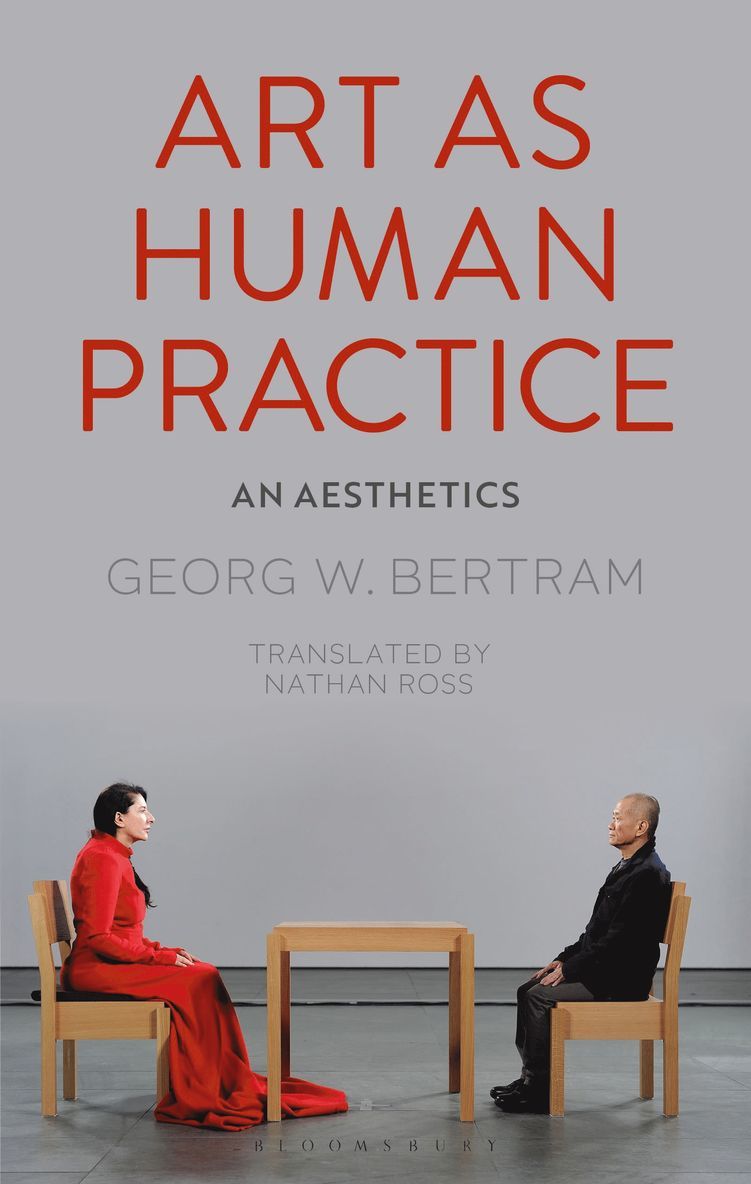
Du kanske också är intresserad av
Del 20414
Del 14164
Del 19413
Del 19443
Del 2431
Del 19521
Del 19674
"Wenn Gott nicht wäre ...". Religion und Versöhnung
Georg Wilhelm Friedrich Hegel, Tobias Wieland, Georg W. Bertram
Häftad, 2020
129 kr
Del 2086