
Archaeology and Capitalism
From Ethics to Politics
Inbunden, Engelska, 2007
3 309 kr
Beställningsvara. Skickas inom 10-15 vardagar. Fri frakt för medlemmar vid köp för minst 249 kr.
The editors and contributors to this volume focus on the inherent political nature of archaeology and its impact on the practice of the discipline. Pointing to the discipline’s history of advancing imperialist, colonialist, and racist objectives, they insist that archaeology must rethink its muted professional stance and become more overtly active agents of change. The discipline is not about an abstract “archaeological record” but about living individuals and communities, whose lives and heritage suffer from the abuse of power relationships with states and their agents. Only by recognizing this power disparity, and adopting a political ethic for the discipline, can archaeology justify its activities. Chapters range from a critique of traditional ethical codes, to examinations of the capitalist motivations and structures within the discipline, to calls for an engaged, emancipatory archaeology that improves the lives of the people with whom archaeologists work. A direct challenge to the discipline, this volume will provoke discussion, disagreement, and inspiration for many in the field.
Produktinformation
- Utgivningsdatum2007-12-15
- Mått152 x 229 x 21 mm
- Vikt453 g
- FormatInbunden
- SpråkEngelska
- Antal sidor298
- FörlagLeft Coast Press Inc
- ISBN9781598742701
Tillhör följande kategorier
Hoppa över listan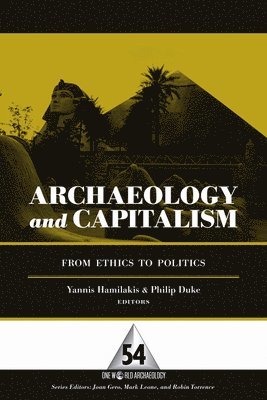




Du kanske också är intresserad av
Camera Graeca: Photographs, Narratives, Materialities
Philip Carabott, Yannis Hamilakis, Eleni Papargyriou
Inbunden, 2015
3 309 kr