
Archaeological Landscape Evolution
The Mariana Islands in the Asia-Pacific Region
Häftad, Engelska, 2018
749 kr
Beställningsvara. Skickas inom 10-15 vardagar. Fri frakt för medlemmar vid köp för minst 249 kr.
Finns i fler format (1)
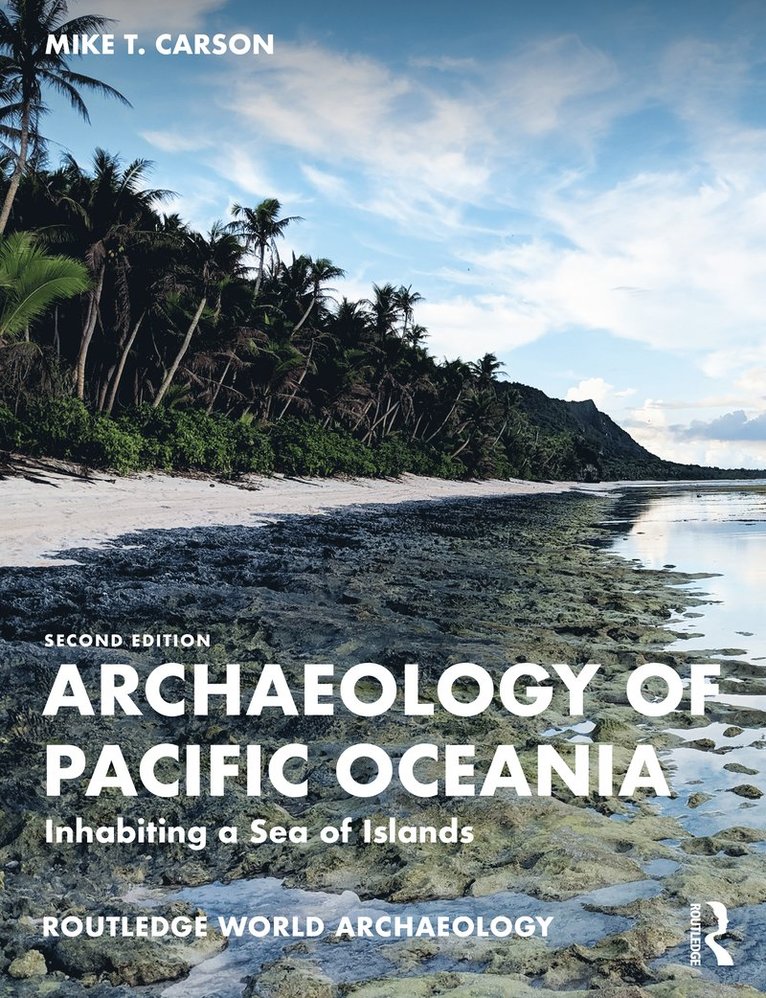
Landscapes have been fundamentalto the human experience world-wide and throughout time, yet how did we as humanbeings evolve or co-evolve with our landscapes? By answering this question, we can understand our place in the complex,ever-changing world that we inhabit. Thisbook guides readers on a journey through the concurrent processes of change inan integrated natural-cultural history of a landscape. While outlining the general principles forglobal application, a richly illustrated case is offered through the MarianaIslands in the northwest tropical Pacific and furthermore situated in a largerAsia-Pacific context for a full comprehension of landscape evolution atvariable scales. The author examines whathappened during the first time when human beings encountered the world’s RemoteOceanic environment in the Mariana Islands about 3500 years ago, followed by acontinuous sequence of changing sea level, climate, water resources, forestcomposition, human population growth, and social dynamics. This book provides a high-resolution andlong-term view of the complexities of landscape evolution that affect all of ustoday.
Produktinformation
- Utgivningsdatum2018-05-31
- Mått155 x 235 x 18 mm
- Vikt493 g
- FormatHäftad
- SpråkEngelska
- Antal sidor307
- FörlagSpringer International Publishing AG
- ISBN9783319810317
Tillhör följande kategorier
Hoppa över listan
Mer från samma författare
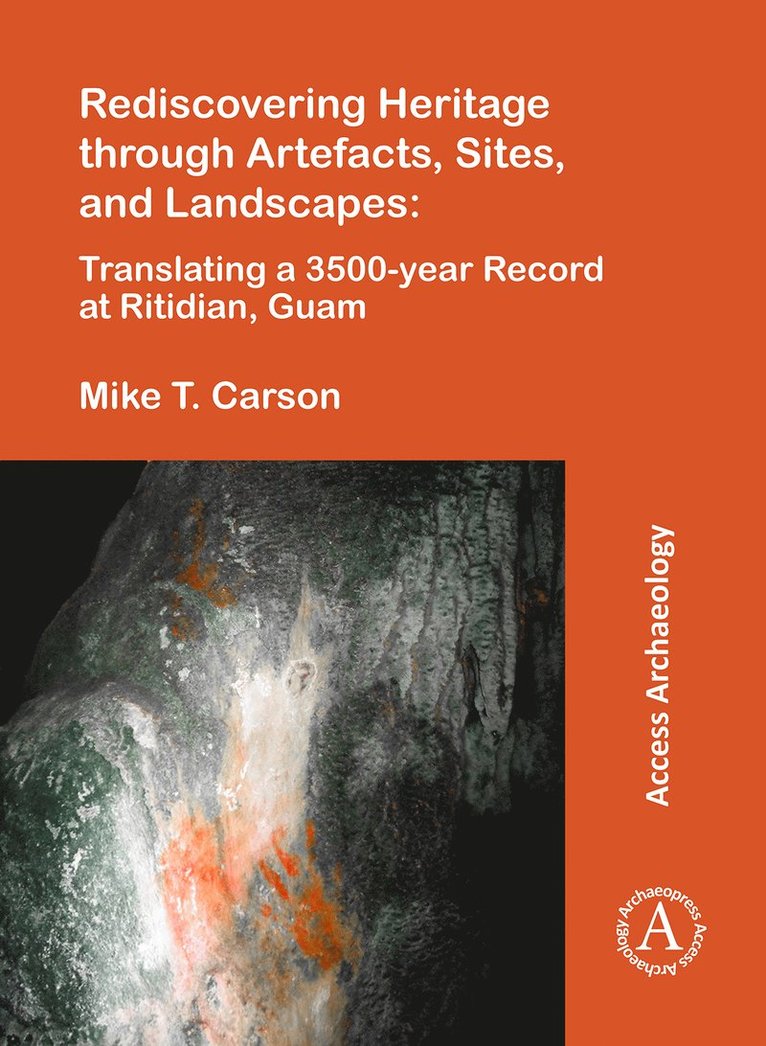
Rediscovering Heritage through Artefacts, Sites, and Landscapes: Translating a 3500-year Record at Ritidian, Guam
Mike T. Carson
Häftad, 2017
709 kr
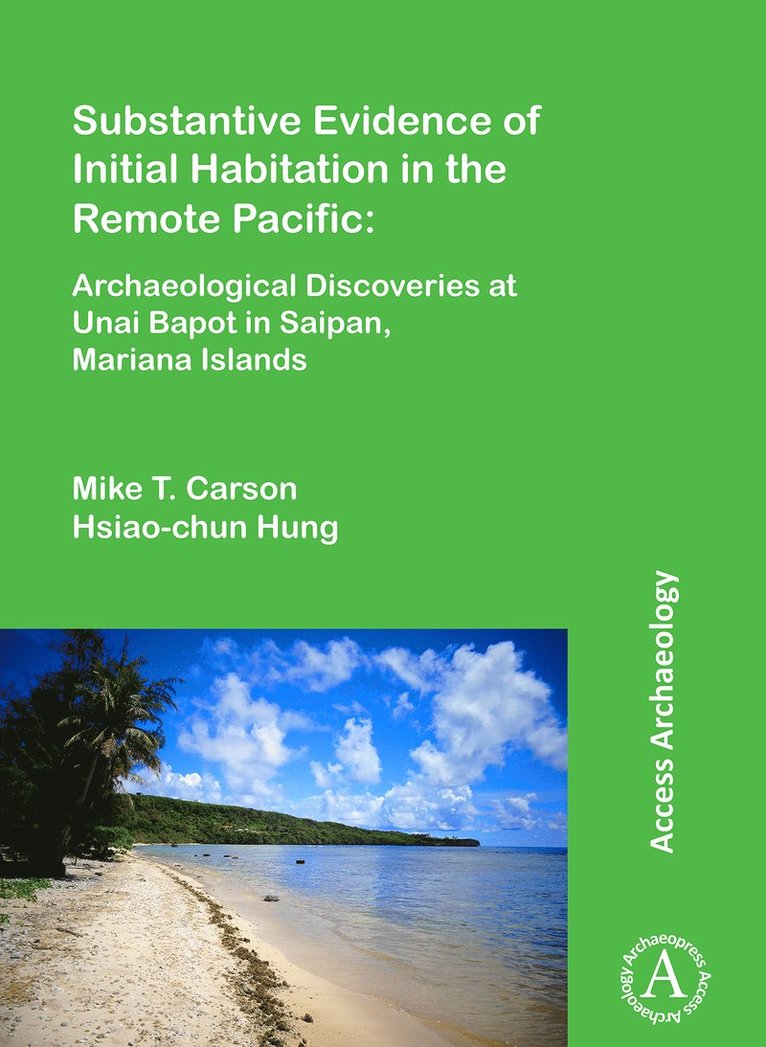
Substantive Evidence of Initial Habitation in the Remote Pacific: Archaeological Discoveries at Unai Bapot in Saipan, Mariana Islands
Mike T. Carson, Hsiao-chun Hung
Häftad, 2017
709 kr
Del 1
Hoppa över listan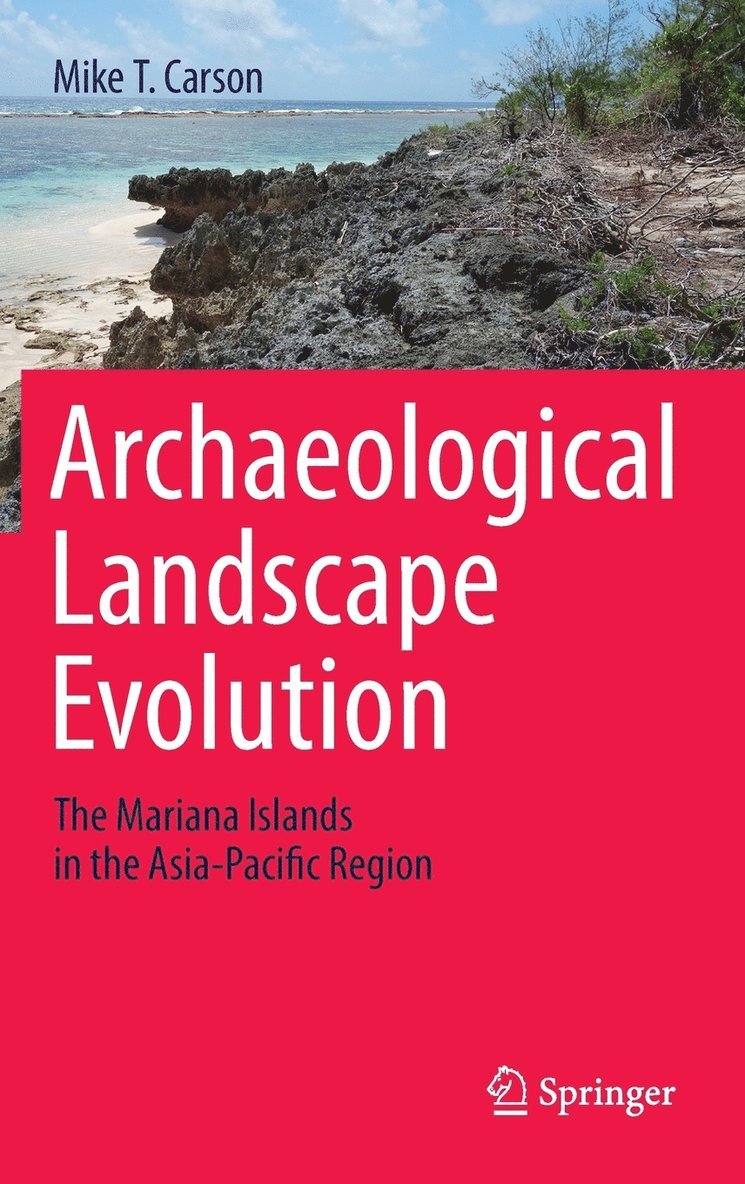
Du kanske också är intresserad av
Substantive Evidence of Initial Habitation in the Remote Pacific: Archaeological Discoveries at Unai Bapot in Saipan, Mariana Islands
Mike T. Carson, Hsiao-chun Hung
Häftad, 2017
709 kr
Rediscovering Heritage through Artefacts, Sites, and Landscapes: Translating a 3500-year Record at Ritidian, Guam
Mike T. Carson
Häftad, 2017
709 kr
Del 1