
Del i serien Routledge Series on Identity Politics
American Exceptionalism and the Remains of Race
Multicultural Exorcisms
Häftad, Engelska, 2016
839 kr
Beställningsvara. Skickas inom 10-15 vardagar. Fri frakt för medlemmar vid köp för minst 249 kr.
Finns i fler format (1)
In contemporary American political culture, claims of American exceptionalism and anxieties over its prospects have resurged as an overarching theme in national political discourse. Yet never very far from such debates lie animating fears associated with race. Fears about the loss of national unity and trust often draw attention to looming changes in the racial demographics of the body politic. Lost amid these debates are often the more complex legacies of racial hybridity. Anxieties over the disintegration of the fabric of American national identity likewise forget not just how they echo past fears of subversive racial and cultural difference, but also exorcise as well the changing nature of work and social interaction. Edmund Fong’s book examines the rise and resurgence of contemporary forms of American exceptionalism as they have emerged out of contentious debates over cultural pluralism and multicultural diversity in the past two decades. For a brief time, serious considerations of the force of multiculturalism entered into a variety of philosophical and policy debates. But in the American context, these debates often led to a reaffirmation of some variant of American exceptionalism with the consequent exorcism of race within the avowed norms and policy goals of American politics. Fong explores how this "multicultural exorcism" revitalizing American exceptionalism is not simply a novel feature of our contemporary political moment, but is instead a recurrent dynamic across the history of American political discourse.By situating contemporary discourse on cultural pluralism within the larger frame of American history, this book yields insight into the production of hegemonic forms of American exceptionalism and how race continues to haunt the contours of American national identity.
Produktinformation
- Utgivningsdatum2016-04-21
- Mått152 x 229 x 11 mm
- Vikt294 g
- FormatHäftad
- SpråkEngelska
- SerieRoutledge Series on Identity Politics
- Antal sidor196
- FörlagTaylor & Francis Ltd
- ISBN9781138687028
Tillhör följande kategorier
Hoppa över listan

Mer från samma serie
American Identity in the Age of Obama
Amílcar Antonio Barreto, Richard L. O’Bryant
Inbunden, 2013
3 279 kr
Hoppa över listan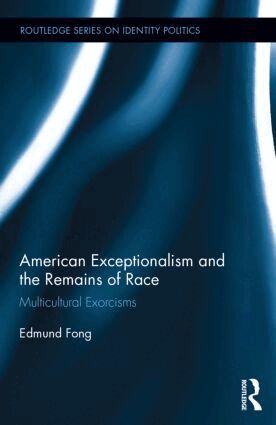




Du kanske också är intresserad av
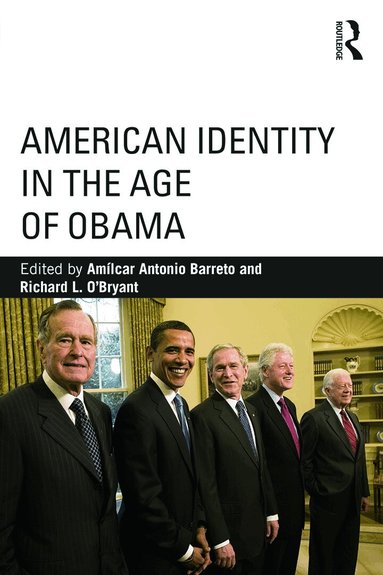
American Identity in the Age of Obama
Amílcar Antonio Barreto, Richard L. O’Bryant
Inbunden, 2013
3 279 kr
Barack Obama and the Myth of a Post-Racial America
Mark Ledwidge, Kevern Verney, Inderjeet Parmar
Häftad, 2013
979 kr