
Vulnerable Places, Vulnerable People
Trade Liberalization, Rural Poverty and the Environment
Inbunden, Engelska, 2010
2 439 kr
Beställningsvara. Skickas inom 5-8 vardagar. Fri frakt för medlemmar vid köp för minst 249 kr.
While some argue that trade liberalization has raised incomes and led to environmental protection in developing countries, others claim that it generates neither poverty reduction nor sustainability. The detailed case studies in this book demonstrate that neither interpretation is universally correct, given how much depends on specific policies and institutions that determine ‘on-the-ground’ outcomes. Drawing on research from six countries around the developing world, the book also presents the unique perspectives of researchers at both the world’s largest development organization (The World Bank) and the world’s largest conservation organization (World Wildlife Fund) on the debate over trade liberalization and its effects on poverty and the environment. The authors trace international trade rules and events down through national development contexts to investigate on-the-ground outcomes for real people and places. The studies underscore the importance of evaluating trade from a perspective that pays attention to environmental and social vulnerability and understands the linkages between poverty reduction and environmental protection. The lessons drawn provide a critical first step in developing the appropriate response options needed to ensure that trade plays a positive role in promoting truly sustainable development. Academics and students in environmental economics, development economics and agriculture, as well as policymakers and those in development institutions will appreciate this groundbreaking work.
Produktinformation
- Utgivningsdatum2010-04-30
- Mått156 x 234 x undefined mm
- FormatInbunden
- SpråkEngelska
- FörlagEdward Elgar Publishing Ltd
- ISBN9781848443433
Tillhör följande kategorier
Hoppa över listan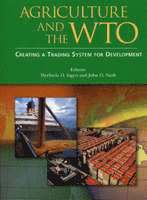




Du kanske också är intresserad av
Root Causes of Biodiversity Loss
Alexander Wood, Pamela Stedman-Edwards, Johanna Mang
Inbunden, 2017
3 219 kr
Root Causes of Biodiversity Loss
Alexander Wood, Pamela Stedman-Edwards, Johanna Mang
Häftad, 2000
1 179 kr
Del 48
Del 48