
Del 66 i serien German Monitor
Un-Civilizing Processes?
Excess and Transgression in German Society and Culture: Perspectives Debating with Norbert Elias
Inbunden, Engelska, 2007
2 199 kr
Beställningsvara. Skickas inom 5-8 vardagar. Fri frakt för medlemmar vid köp för minst 249 kr.
The collapse of the supposedly ‘civilized’ German nation into the ‘barbarism’ of Hitler’s Third Reich has cast a long shadow over interpretations of German culture and society. In the remarkable work of Norbert Elias, himself a refugee from Nazi Germany, a deep concern with the distinctiveness of ‘the Germans’ is linked with an ambitious attempt to work out more general relations between broad historical processes – patterns of state formation, changing social structures – and the character of the individual self, as evidenced in changing thresholds of shame and embarrassment. In critical engagement with Elias’s notion of the ‘civilizing process’, the essays collected here explore moments of excess and transgression, moments when the very boundaries of ‘civilization’ are both constructed and challenged. Inter-disciplinary contributions – on topics ranging from medieval laughter, cursing and swearing, through to music, the bourgeois self, and aspects of modern violence – highlight the complexity of inter-relations between the individual imagination and creativity, on the one hand, and the brute facts of political power and social structural inequalities, on the other; and develop new insights into the changing patterns of culture and society in Germany from the Middle Ages to the present.
Produktinformation
- Utgivningsdatum2007-01-01
- Mått155 x 230 x 18 mm
- Vikt630 g
- FormatInbunden
- SpråkEngelska
- SerieGerman Monitor
- Antal sidor296
- FörlagBrill
- MedarbetareMary Fulbrook
- ISBN9789042021518
Tillhör följande kategorier
Hoppa över listan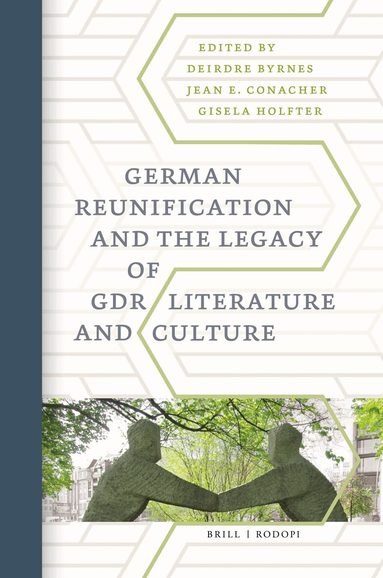

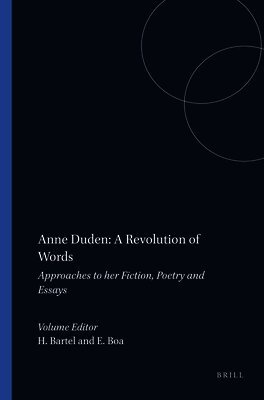
Mer från samma serie
Del 79
German Reunification and the Legacy of GDR Literature and Culture
Deirdre Byrnes
Inbunden, 2018
2 749 kr
Del 80
Del 81
Del 82
Del 83
Del 84
Del 46
Del 58
Del 57
Del 56
Hoppa över listan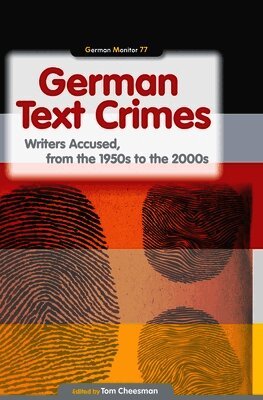

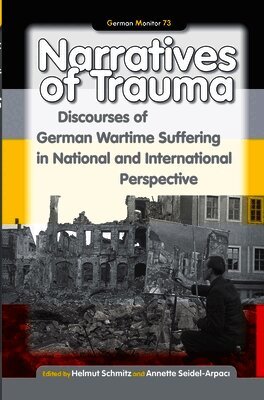
Du kanske också är intresserad av
Del 79
German Reunification and the Legacy of GDR Literature and Culture
Deirdre Byrnes
Inbunden, 2018
2 749 kr
Del 83
Del 56
Del 77
Del 82
Del 64
Del 73
Del 81
- Nyhet
Del 3
Del 48