
Del i serien Contributions to the Study of World History
Town Origins and Development in Early England, c.400-950 A.D.
Inbunden, Engelska, 1998
1 409 kr
Beställningsvara. Skickas inom 10-15 vardagar. Fri frakt för medlemmar vid köp för minst 249 kr.
Relying heavily on primary literary sources and archaeological scholarship, this study sheds new light on the development of towns in early England from late Roman to late Anglo-Saxon times. After a discussion of the problems of urban definition and typology, Russo examines the background of Romano-British urbanism in its prime and in its late Roman transformations. He demonstrates that late Roman towns were virtually abandoned before the Anglo-Saxon invasions. The emporia—new types of Anglo-Saxon towns—are analyzed on the basis of written and archaeological evidence and are compared with continental emporia. Finally, the origin and growth of the Anglo-Saxon burgh is considered from its eighth-century Mercian beginnings to the better known cases of King Alfred and his successors.
Produktinformation
- Utgivningsdatum1998-04-30
- Mått156 x 235 x 24 mm
- Vikt652 g
- FormatInbunden
- SpråkEngelska
- SerieContributions to the Study of World History
- Antal sidor328
- FörlagBloomsbury Publishing Plc
- ISBN9780313300790
Tillhör följande kategorier
Hoppa över listan





Mer från samma serie
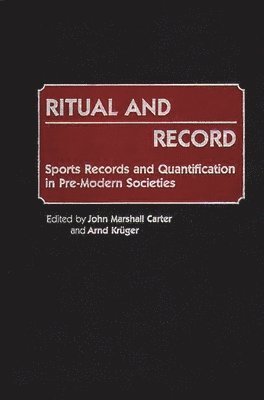
Ritual and Record
John M. Carter, Arnd Kruger, John Marshall Carter, Arnd Kruger
Inbunden, 1990
1 359 kr
Hoppa över listan







Du kanske också är intresserad av
- Nyhet
Del 3
- Nyhet
Del 11
- Nyhet
Del 6
- Nyhet
Del 4
Del 3
Del 1
Del 2
Del 7
- Nyhet
- Nyhet