
Del i serien Data in the Wild
Thermal Imaging for Wildlife Applications
Häftad, Engelska, 2023
1 069 kr
Beställningsvara. Skickas inom 5-8 vardagar. Fri frakt för medlemmar vid köp för minst 249 kr.
Finns i fler format (1)
Thermal imaging is exciting technology that can act as a powerful tool in a growing number of wildlife research, ecology and management applications. It allows us to see things difficult or even impossible to detect using conventional methods, opening a window onto the worlds of cryptic, nocturnal, secretive and otherwise challenging species. This can offer a range of benefits such as increased accuracy, reduced costs, better efficiency and improvements to health and safety conditions. Yet the relevant information is often largely inaccessible to most wildlife professionals.Thermal Imaging for Wildlife Applications brings together key findings from academic research and applied field protocols, along with the author’s wealth of practical experience, to inform and guide the reader in an approachable and understandable format. This comprehensive handbook includes chapters covering the fundamentals of the technology, methods, equipment and detailed discussion of application types, as well as specific sections that focus on terrestrial mammals, bats, marine mammals and birds.The final chapter explores some of the many potential future uses of thermal imaging, before a thorough literature overview and a list of resources ensure that this will be the standard work on the subject for years to come.
Produktinformation
- Utgivningsdatum2023-10-24
- Mått170 x 244 x 9 mm
- Vikt304 g
- FormatHäftad
- SpråkEngelska
- SerieData in the Wild
- Antal sidor160
- FörlagPelagic Publishing
- ISBN9781784273873
Tillhör följande kategorier
Hoppa över listan
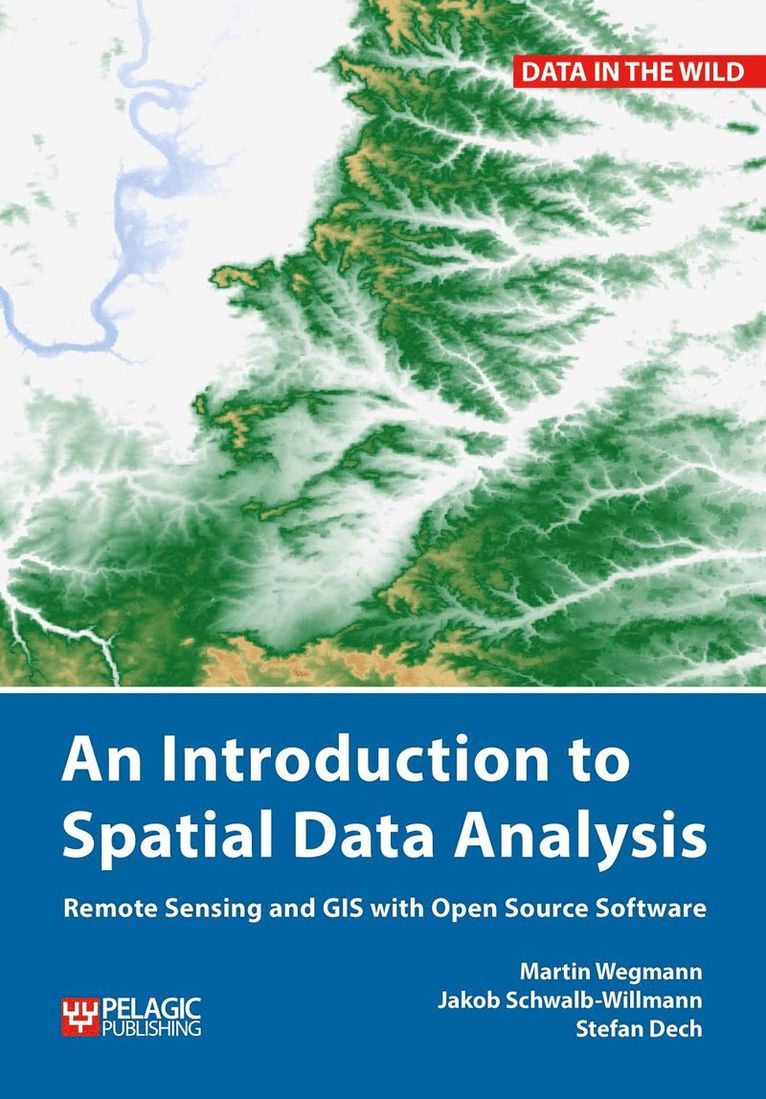
Mer från samma serie
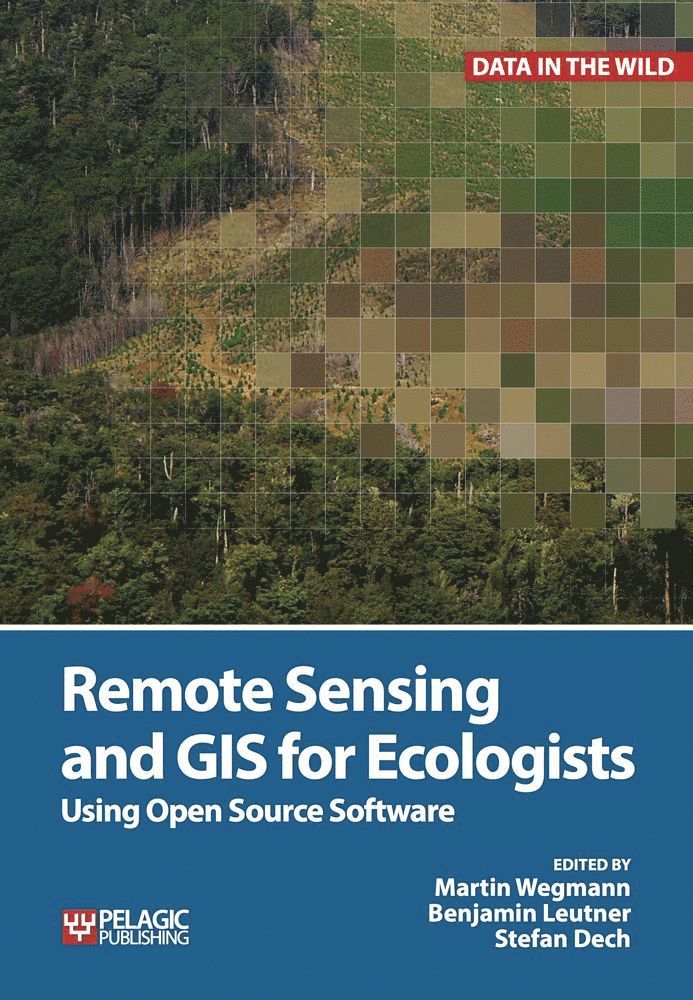
Remote Sensing and GIS for Ecologists
Martin Wegmann, Benjamin Leutner, Stefan Dech
Häftad, 2016
849 kr
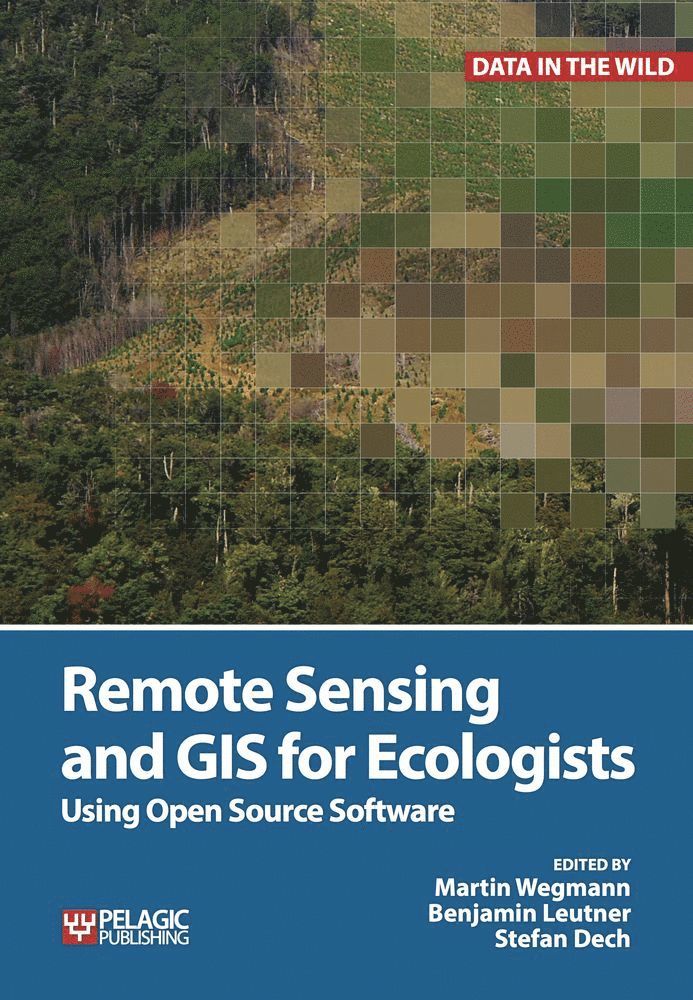
Remote Sensing and GIS for Ecologists
Martin Wegmann, Benjamin Leutner, Stefan Dech
Inbunden, 2016
1 649 kr
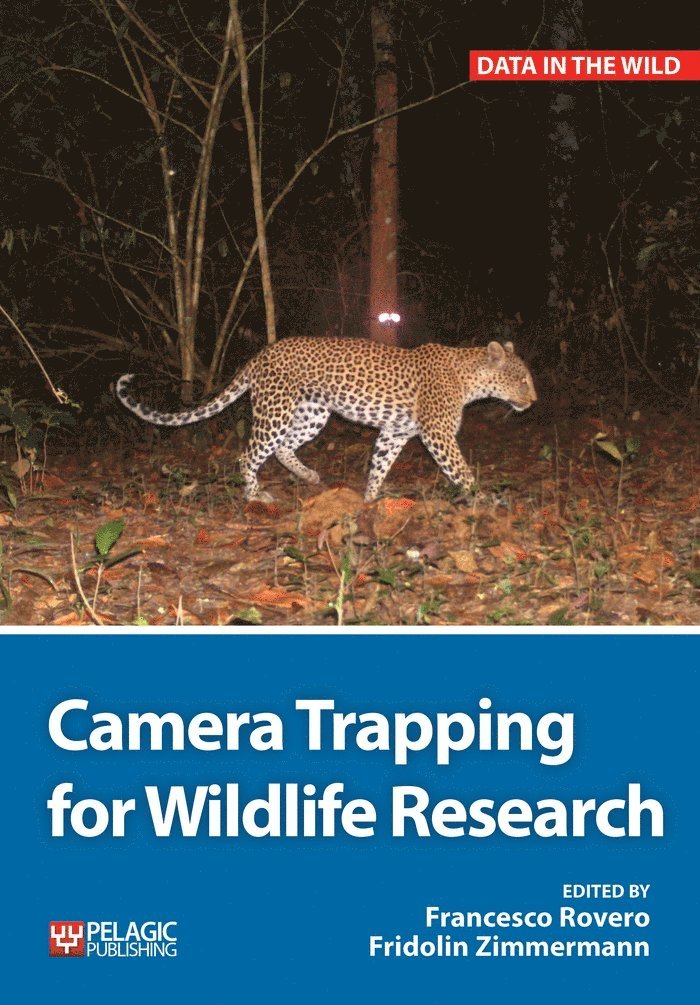
Camera Trapping for Wildlife Research
Francesco Rovero, Fridolin Zimmerman, Francesco Rovero, Fridolin Zimmermann
Häftad, 2016
979 kr
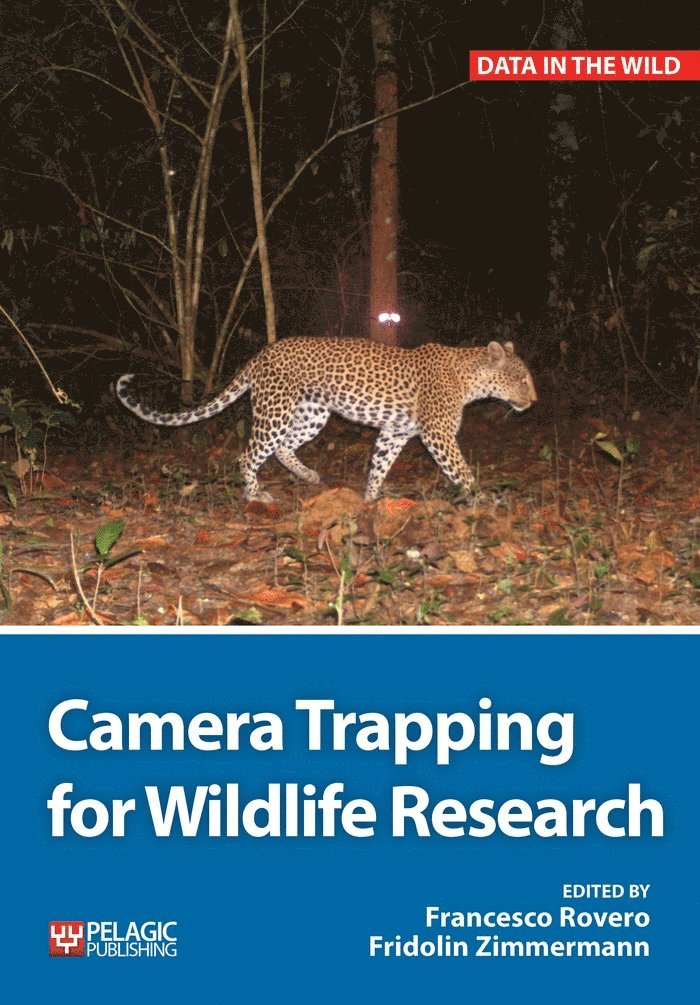
Camera Trapping for Wildlife Research
Francesco Rovero, Fridolin Zimmerman, Francesco Rovero, Fridolin Zimmermann
Inbunden, 2016
1 699 kr
Introduction to Spatial Data Analysis
Martin Wegmann, Jakob Schwalb-Willmann, Stefan Dech
Inbunden, 2020
1 849 kr
Hoppa över listan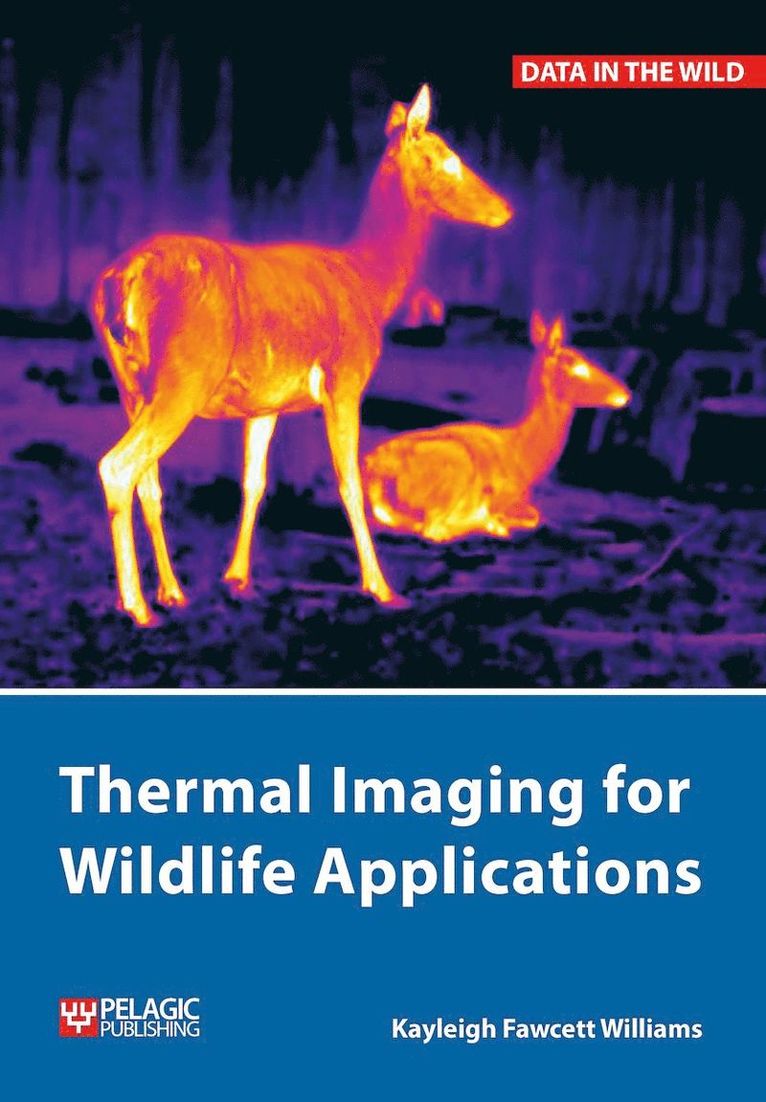


Du kanske också är intresserad av
- Nyhet
Del 11
Remote Sensing and GIS for Ecologists
Martin Wegmann, Benjamin Leutner, Stefan Dech
Häftad, 2016
849 kr
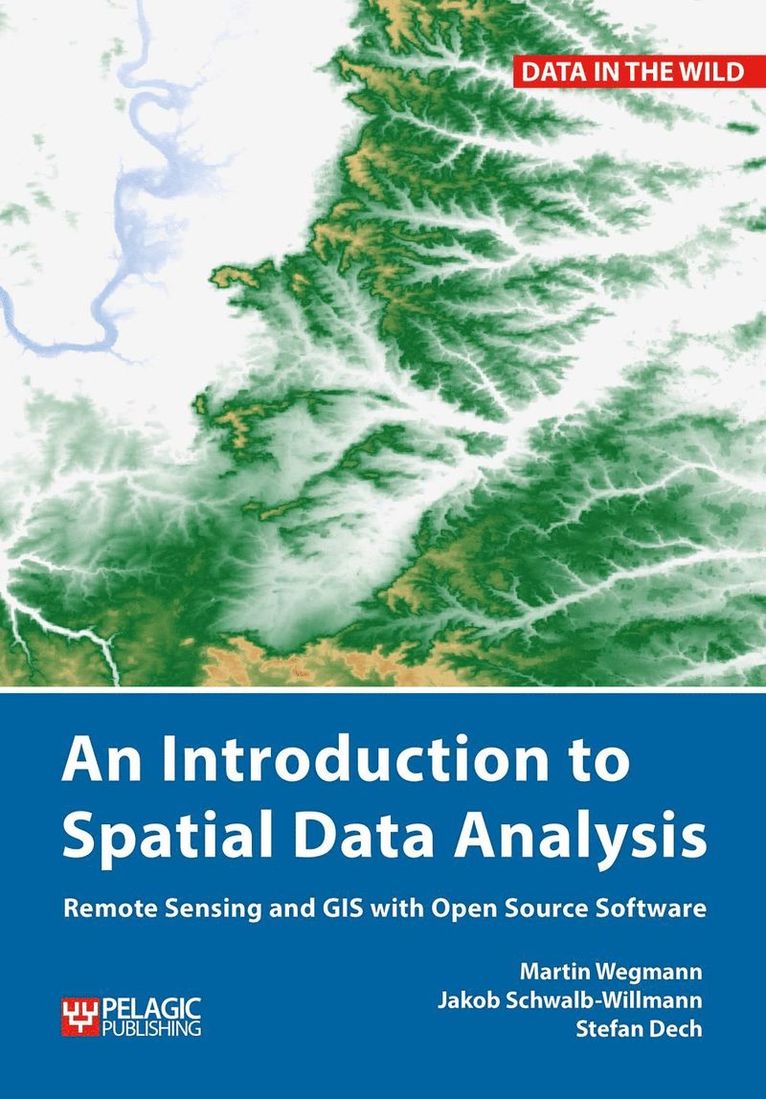
Introduction to Spatial Data Analysis
Martin Wegmann, Jakob Schwalb-Willmann, Stefan Dech
Häftad, 2020
769 kr
Camera Trapping for Wildlife Research
Francesco Rovero, Fridolin Zimmerman, Francesco Rovero, Fridolin Zimmermann
Häftad, 2016
979 kr