
Del i serien Latin American Silhouettes
State Governors in the Mexican Revolution, 1910–1952
Portraits in Conflict, Courage, and Corruption
Häftad, Engelska, 2009
949 kr
Beställningsvara. Skickas inom 10-15 vardagar. Fri frakt för medlemmar vid köp för minst 249 kr.
Finns i fler format (1)
This unique book traces Mexico's eventful years from 1910 to 1952 through the experiences of its state governors. During this seminal period, revolutionaries destroyed the old regime, created a new national government, built an official political party, and then discarded in practice the essence of their revolution. In this tumultuous time, governors—some of whom later became president—served as the most significant intermediaries between the national government and the people it ruled. Leading scholars study governors from ten different states to demonstrate the diversity of the governors' experiences implementing individual revolutionary programs over time, as well as the waxing and waning of strong governorship as an institution that ultimately disappeared in the powerful national regime created in the 1940s and 1950s. Until that time, the contributors convincingly argue, the governors provided the revolution with invaluable versatility by dealing with pressing issues of land, labor, housing, and health at the local and regional levels. The flexibility of state governors also offered test cases for the implementation of national revolutionary laws and campaigns. The only book that considers the state governors in comparative perspective, this invaluable study offers a fresh view of regionalism and the Revolution.Contributions by: William H. Beezley, Jürgen Buchenau, Francie R. Chassen-López, Michael A. Ervin, María Teresa Fernández Aceves, Paul Gillingham, Kristin A. Harper, Timothy Henderson, David LaFrance, Stephen E. Lewis, Stephanie J. Smith, and Andrew Grant Wood.
Produktinformation
- Utgivningsdatum2009-03-16
- Mått154 x 231 x 16 mm
- Vikt331 g
- FormatHäftad
- SpråkEngelska
- SerieLatin American Silhouettes
- Antal sidor220
- FörlagBloomsbury Publishing Plc
- ISBN9780742557703
Tillhör följande kategorier
Hoppa över listan


Mer från samma författare
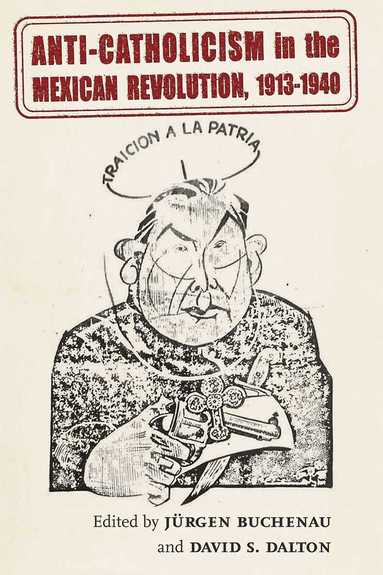
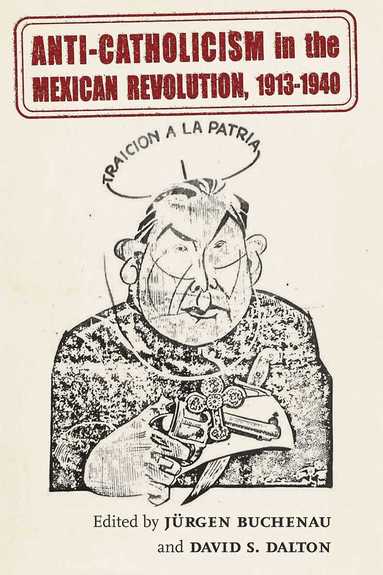
Anti-Catholicism in the Mexican Revolution, 1913-1940
Jürgen Buchenau, Jürgen Buchenau, David S. Dalton
Inbunden, 2024
1 399 kr
Anti-Catholicism in the Mexican Revolution, 1913-1940
Jürgen Buchenau, Jürgen Buchenau, David S. Dalton
Häftad, 2024
699 kr
Hoppa över listan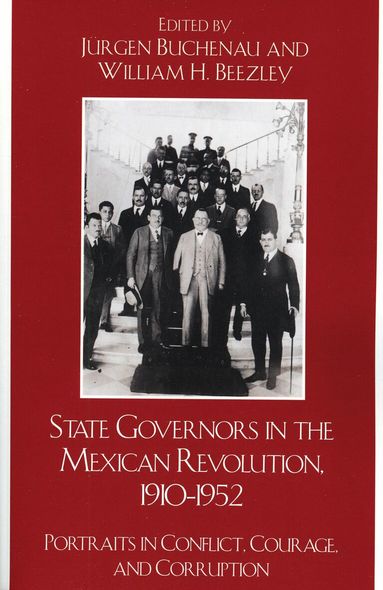


Du kanske också är intresserad av
State Governors in the Mexican Revolution, 1910–1952
Jürgen Buchenau, William H. Beezley
Inbunden, 2009
2 269 kr
Encyclopedia of U.S. - Latin American Relations
Thomas M. Leonard, Jürgen Buchenau, Rodney Longley, Graeme Mount
Inbunden, 2012
9 019 kr
Anti-Catholicism in the Mexican Revolution, 1913-1940
Jürgen Buchenau, Jürgen Buchenau, David S. Dalton
Häftad, 2024
699 kr
Anti-Catholicism in the Mexican Revolution, 1913-1940
Jürgen Buchenau, Jürgen Buchenau, David S. Dalton
Inbunden, 2024
1 399 kr
- Nyhet