
Del 1
Del 15 i serien Studies in Modern and Contemporary France
Shell-Shocked Intimacies: Gender Violence and Women’s Consent in French Culture and Literature of the First World War
Inbunden, Engelska, 2025
3 279 kr
Beställningsvara. Skickas inom 5-8 vardagar. Fri frakt för medlemmar vid köp för minst 249 kr.
Ebook available to libraries exclusively as part of the JSTOR Path to Open intiative.The First World War generated a climate of exacerbated nationalism, deep-running anxieties over gender, and heightened masculinisation of suffering. In France, this volatile combination provided meaning to multiple ways of obscuring and trivialising diverse forms of gender-based violence and aggression towards women. The book retraces this cultural pattern by uncovering shifts and continuities in discourses on sexual consent and gender violence in French culture and literature of the First World War. This research provides historical insight and critical depth to contemporary debates on sexual consent by arguing that the notion of cultural exception in gender relations is better accounted for through the country’s history of violence and militarization. Moreover, the research frames amour à la francaise, or the so-called French exception in gender relations, as a response to the brutalization in the war and postwar period. It highlights the fact that indifference to gender violence was a shared denominator of the ‘French exception’ both now and then. It draws on a broad range of sources – including visual materials, literary works, judicial records, media sources, and testimonials – and tools from literary criticism, cultural history and critical discourse analysis to uncover a silenced past dominated for too long by a male gaze, revising in the process the historiographic outlook on gender relations and politics in the area covered.
Produktinformation
- Utgivningsdatum2025-12-16
- Mått163 x 239 x undefined mm
- FormatInbunden
- SpråkEngelska
- SerieStudies in Modern and Contemporary France
- Antal sidor320
- FörlagLiverpool University Press
- ISBN9781836243168
Tillhör följande kategorier
Hoppa över listan






Mer från samma serie
Del 4
Del 3
Del 6
Del 5
Del 7
Del 8
Del 1
Del 2
Del 9
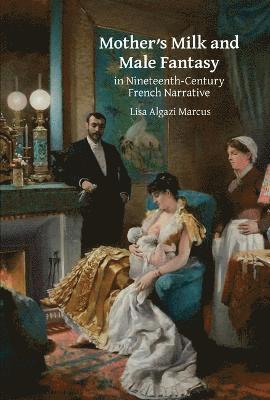
Mother’s Milk and Male Fantasy in Nineteenth-Century French Narrative
Lisa Algazi Marcus
Inbunden, 2022
2 879 kr
Hoppa över listan




Du kanske också är intresserad av
Del 3
Del 13
Hustlers in the Ivory Tower: Press and Modernism from Mallarmé to Proust
Max McGuinness
Inbunden, 2024
3 159 kr
Del 4
Del 14
Del 10
Del 1
Del 5
Del 2
Del 13
Hustlers in the Ivory Tower: Press and Modernism from Mallarmé to Proust
Max McGuinness
Häftad, 2026
849 kr
Del 14